The National Park Service is the bureau within
the Department of the Interior charged with protecting
the Nation's natural, historical and
scientific treasures. The National
Park System of the United States comprises 384 units covering
more than 83 million acres in 49 States. However only
54 sites bear the prestigious title of National Park. These
areas are of such national significance as to justify special
recognition and protection in accordance with various acts
of Congress. The National Park Service is
responsible for managing these areas for the enjoyment
of the people in such a way that will leave resources "unimpaired
for the enjoyment of future generations".
The National
Parks System
The National Park Service System includes, National
Parks; National Monuments; National
Preserves; National
Historic Sites; National Memorials; National Battlefields;
National ; Cemeteries National Recreation Areas;
National Seashores; National Lake Shores;
National Wild and Scenic River Systems; National
Parkways, and National Trails.
The title of National Park is reserved for
the most spectacular natural areas with a wide variety of
features. Only 54 of the 384 National Park Service units are
designated as national parks. America's 54
National Parks are referred to as the Nation's Crown Jewels.
The distinguished Crown Jewels of the National
Parks System are Glacier National
Park in Montana, Rocky Mountain National Park
in Colorado, and Yellowstone National Park
in Wyoming, overlapping into Montana and Idaho. Yellowstone
is the Worlds first National Park and it is the Nation's
most spectacular Crown Jewel.
The National Parks
System Caring for the American Legacy
|
NPS Goals and Mission
Statement
"...to promote and regulate
the use of the...national parks...which purpose
is to conserve the scenery and the natural and historic
objects and the wild life therein and to provide for
the enjoyment of the same in such manner and by such means as
will leave them unimpaired for the enjoyment of future generations."
|
Photos Courtesy of NPS;
Patch scanned by LM. Little
NPS
as a Governing
Agency
Photos taken by L.M.Little, NPS Maintenance,
Yellowstone National Park
Division of Maintenance
The Maintenance
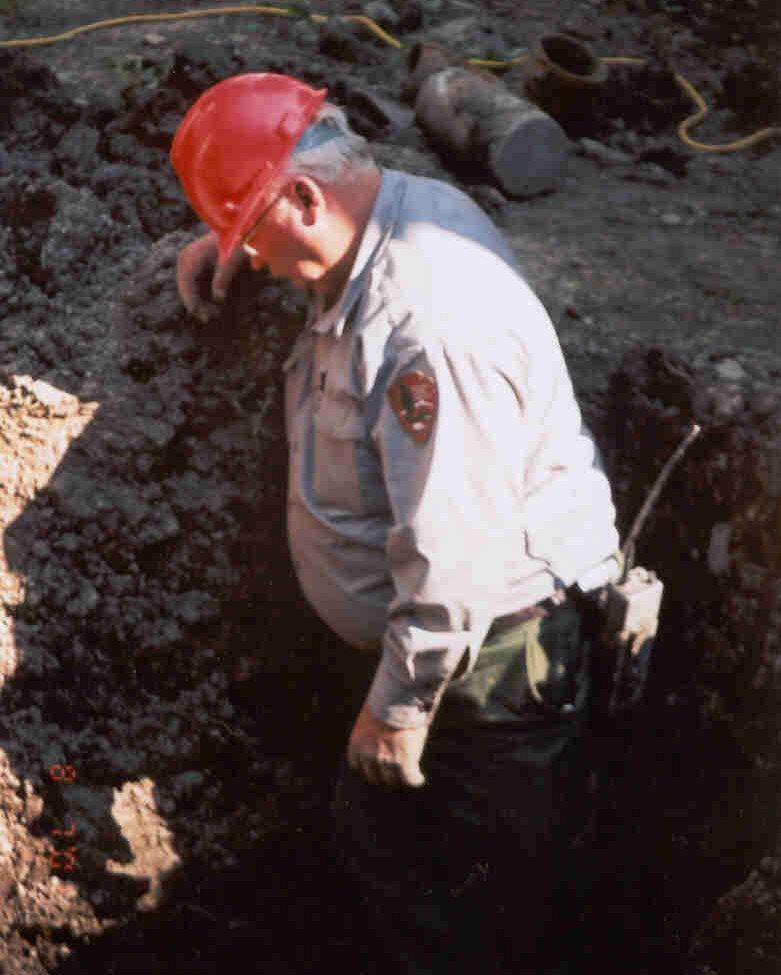
Division of the National Park Service has the
responsibility of maintaining park roads, buildings,
and facilities for the enjoyment and benefit of the
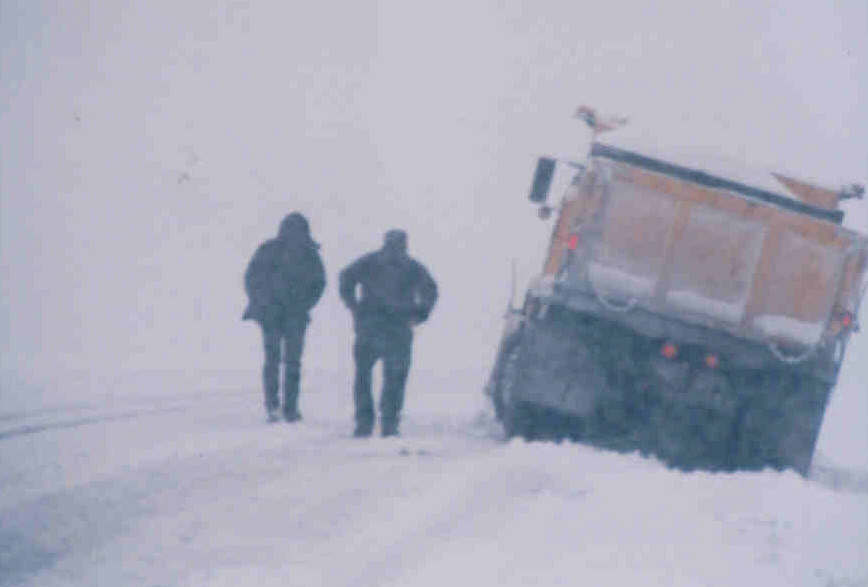
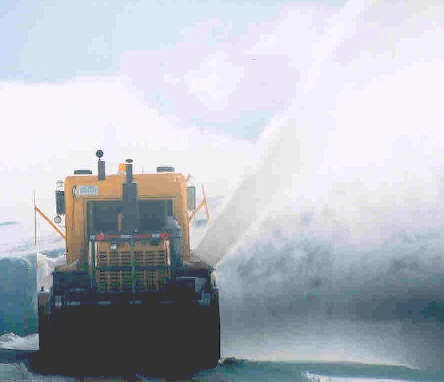
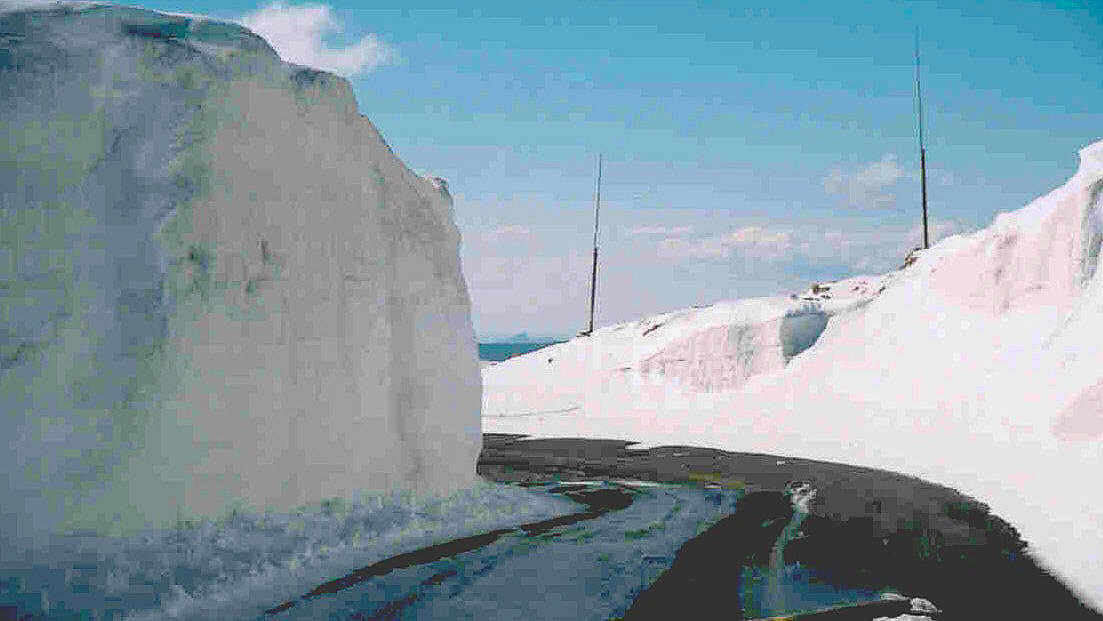
people. NPS Maintenance Crews pick up litter along
park roads and trails; clear snow and debris from roads;
build and maintain trails; provide water for all park facilities;
manage and maintain water and sewer treatment plants within
the parks; operate and maintain campgrounds; collect all the
garbage and refuse from campgrounds, lodges, resturants,etc.
.

 NPS Overview


 PAGE
PAGE
 The
National Park Service protects and regulates all species
of wildlife, plants and habitat that fall within
the boundaries of any national park. In some cases
the National Park Service makes attempts to re-introduce
native species that have dwindling populations such as the
The Wolf Re-Introduction Project
in Yellowstone National Park.
The
National Park Service protects and regulates all species
of wildlife, plants and habitat that fall within
the boundaries of any national park. In some cases
the National Park Service makes attempts to re-introduce
native species that have dwindling populations such as the
The Wolf Re-Introduction Project
in Yellowstone National Park. 
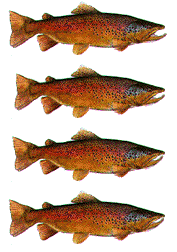 There have been attempts to eradicate non-native species
that threaten the existence of native species. In
Yellowstone National Park, the Park Service and
the Fish and Wildlife Service are using gill nets in Yellowstone
Lake to trap and remove the illegally introduced
Mackinaw Lake Trout which often eats the smaller
West Slope Cutthroat, Yellowstone's only native trout
species.
There have been attempts to eradicate non-native species
that threaten the existence of native species. In
Yellowstone National Park, the Park Service and
the Fish and Wildlife Service are using gill nets in Yellowstone
Lake to trap and remove the illegally introduced
Mackinaw Lake Trout which often eats the smaller
West Slope Cutthroat, Yellowstone's only native trout
species.  The opportunity to view wildlife is one of the
main reasons people venture into the Back country.
The ever expanding human population, the transformation
from an agricultural society to an industrial and now
a technological based society has resulted in extensive
urbanization and depletion of natural resources and wilderness
areas. Many species of wildlife that once roamed
freely across the plains now only exist in the Nation's most remote
and rugged landscapes and on federally owned reservations and
preserves. The National Park Service trails system offers hikers
and sight seers opportunities to view abundant wildlife and
public access to the back country.
The opportunity to view wildlife is one of the
main reasons people venture into the Back country.
The ever expanding human population, the transformation
from an agricultural society to an industrial and now
a technological based society has resulted in extensive
urbanization and depletion of natural resources and wilderness
areas. Many species of wildlife that once roamed
freely across the plains now only exist in the Nation's most remote
and rugged landscapes and on federally owned reservations and
preserves. The National Park Service trails system offers hikers
and sight seers opportunities to view abundant wildlife and
public access to the back country. Without federal protection
many of our public lands would be exploited by developers
and some our national treasures would be forever
lost; especially those in Alaska and the Western states.
Seeing wildlife react in their natural environment
away from all the crowds and noise is a great experience,
but back country users should always use extreme caution
around wildlife. Many animals in our Nation's parks
have become habituated to human presence while others have
Without federal protection
many of our public lands would be exploited by developers
and some our national treasures would be forever
lost; especially those in Alaska and the Western states.
Seeing wildlife react in their natural environment
away from all the crowds and noise is a great experience,
but back country users should always use extreme caution
around wildlife. Many animals in our Nation's parks
have become habituated to human presence while others have retained
their natural fear of humans. The outcome of any wildlife
encounter can be unpredictable and back country users
should try to avoid surprise encounters.
retained
their natural fear of humans. The outcome of any wildlife
encounter can be unpredictable and back country users
should try to avoid surprise encounters.