Tractors
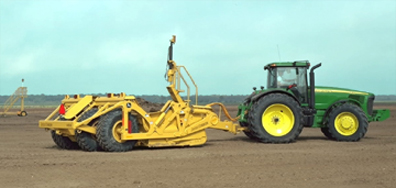
Tractors are something i have spent most of my life on. Each summer I work on my grandfather's ranch right outside of Bryan Texas. I first started riding on tractors when i was about 5 when i would sit in my grandfather's lap and steer the tractor while we would move hay, equipment or do other things. By the time i was nine i got to drive it by myself for the first time. My grandfather let me put it in gear and release the clutch by myself and drive to the house. Ever since then i have been doing all sorts of stuff with his tractor and mine. I am the only person in our extended family with whom he will let run his equipment with all of the risk of running a tractor, as well as having complete faith in me to get the job done right the first time. Most of the time in Bryan, we are mowing with his 15 foot wide batwing which requires a great amount of skill, patience (because you must go very slow in order to cut it all) and tolerancy (because you sit on a tractor in the texas hear for 2-8 hours at a time with nothing to do but sit there. His new tractor, however, has a radio that does provide some entertainment, but that gets old after a while, as well an airconditioner which helps with the heat and since he has a cabbed tractor you do not sit in the sun as with his old tractors and mine. Living on such a big ranch requires a lot of work he is in constant need of my help because i am so valuable being able to work all of his equipment and knowing how to use it all. His tractor is unique in many ways from other tractors because it has a dozer blade on the front which allows him to push dirt, posts, and fires when we are burning things. Everything i know about tractors i have learned from my grandfather and he is still teaching me things about them.
Below is a list or basic tractor operations on repairing, overhauling, and other simple tractor tasks that do not require a lot of skill and are something that the most amateur tractor user can use, but still require some knowledge of using a tractor.
Overhauling
When overhauling a tractor it is best to consult to the tractors manual.
Changing the Oil
When changing the oil you will need the following items,
- A bucket
- to hold the old oil
- A breakwrench and sockets
- to untighten the oil plug, it always helps to use the most accurate socket so as to not strip the edges
- Gloves
- most people prefer to use them so as not to get messy but i prefer not to for two reasons
- build up my calaces
- be able to handle the the plug and other small items you use or come off of the tractor
- Oil to refill the tractor or other lawn machine
- NOTE: ALWAYS refer to the manual for the correct oil type and amounts because overfilling and underfilling can lead to undesired performance and the destroying of the engine.(if you have questions ask your local dealer of the product you are servicing)
Once you have your materials you are ready to start.
- Place the bucket under the oil pan where the oil plug is in order to catch the oil
- Place teh sockets on the oil plug and use the break wrench to lossen it
- once the plug is loose enough for you to loosen it by hand, put the gloves on and slowly unscrew the plug.
once the oil is done draining, replace the oil plug and tighten it with the break wrench until you are no longer able to screw it back in.
- then using the amuont of oil specified in the manual, find the engine oil hole and pour the oil in.
- replace the cap and check the disptick, add or remove oil accordingly
- then crank up the engine and let it run for about a minute
- check the dipstick again and add or remove accordingly
- take the removed oil to an oil recycling facility and then you have completed changing the oil in an engine
Basic Engine Overhaul
When overhauling the engine, depending on what you have done and what the manual says to do, you will most likely need the following
- Air Filters
- most tractors take two, aa large one that is changed every 150 hours and a small inner filter that is changed every 300 hours
- Hydrolic, Transmission, and Brake Fluid
- as said before, always consult the manual or your local dealer about what type and grade to use
- Grease Gun
- all moving parts on any vehicle or working machinery should be greased reguraly
- Diesel Fuel Filter
- you should always replace teh fuel filter for at least every two times you change the oil; by not changing the fuel filter you can destroy the engine in the long run
Once you have these materials you are ready to start.
- First take out your existing air filter and do what i call the beating test.
- Literally hit them with you hand(anything harder will most likely dent the frame). If any dust or dirt comes out or the filter looks discolored then you should change it.
- When changing the inner filter you must do it a different way. Take out the new filter from the package and compare the color. if there is a somewhat slight discoloration then it is fine but if it is almost a whole other color then you should change it. DO NOT allow anything to get inside the filter houseing while changing the filter; this will destroy your engine.
- After finishing with the ari filters, move on the the basic fluids. First check the hydraulic fluids. The majority of the time the dipstick is located in the rear next to or around the 3-point. In most cases (with tractors under 75 horsepower) the hydraulic fluid and the transmission fluid are the same things and messing up your transmission isn't fun.(NOTE: if the transmission fluid is seperate from the hydrolic fluid, do not attempt to replace it unless you know what you are doing).
- Next, find the brake fluid and change it accordingly.
- When changing the diesel filter there are two things that need to be done depending on the model.
- If the diesel tank is higher than the filter is, there should be a cut-off switch, in which case shut if off.
- Be sure to have extra diesel to refill the filter
- Remove the filter from its housing.
- Take the new filter and fill it with diesel.(If you do not do this then the filter will not recieve enough fuel and the engine will die)
- Replace the filter and crank up the engine. I personally rev it up to around 1100 RPM so that it is sucking in a lot more diesel than at normal idolling speed.
- The last thing to do and something you should do around every 10 hours of operation. Take the grease gun and grease every point until you see the new grease come out. (NOTE: having a light colored grease comes in handy here because you can tell it apart from the old discolored grease)
After you have done that you have completed a basic engine overhaul. If you have any questions regarding this or any other tractor subject you can mail me or call your local tractor retailer
Webmaster