
(Yazd, Shiraz)
october-december 2000
|
|
|
|
|
|
|
|
|
|
|
|
|
|
|
|
|
|
|
|
|
|
|
|
|
|
|
|
|
|
|
|
|
|
|
|
|
|
|
|
|
|
|
|
|
|
|
|
|
|
|
|
|
|
|
|
|
|
|
|
|
|
|
|
|
|
|
|
|
|
|
|
|
|
|
|
|
|
|
|
|
|
| Iran 4 (Yazd, Shiraz) october-december 2000 |
|||||||||||||||||||||||||||||||||||||||||||||||||||||||||||||||||||||||||||||||||
| Iran 1 (Tehran) | |||||||||||||||||||||||||||||||||||||||||||||||||||||||||||||||||||||||||||||||||
| Iran 5 (Persian Gulf, Bam) | |||||||||||||||||||||||||||||||||||||||||||||||||||||||||||||||||||||||||||||||||
| Iran 2 (Qom, Kashan) | Iran 6 (From the air) | ||||||||||||||||||||||||||||||||||||||||||||||||||||||||||||||||||||||||||||||||
| Iran 3 (Isfahan) | |||||||||||||||||||||||||||||||||||||||||||||||||||||||||||||||||||||||||||||||||
|
|||||||||||||||||||||||||||||||||||||||||||||||||||||||||||||||||||||||||||||||||
|
|||||||||||||||||||||||||||||||||||||||||||||||||||||||||||||||||||||||||||||||||
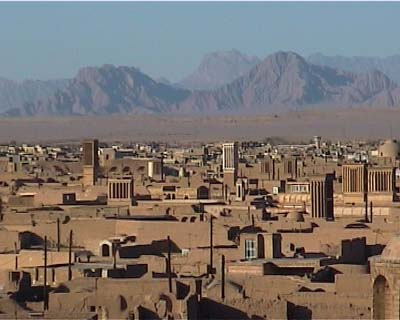
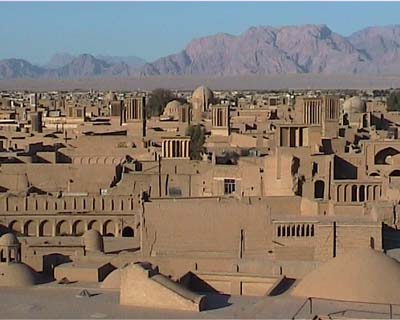
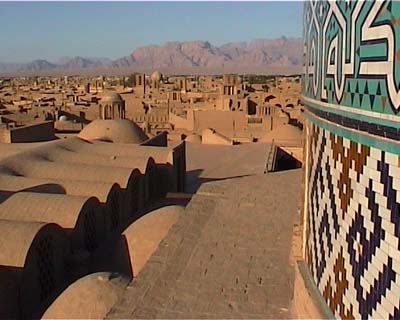
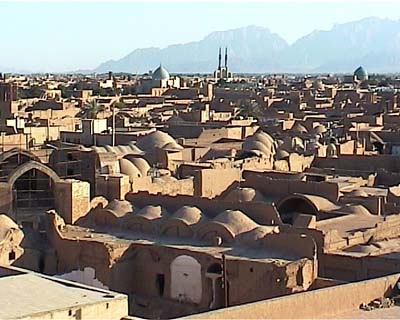
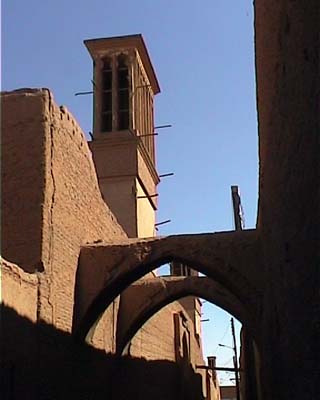
| Yazd lies halfway between Tehran and Pakistan, on the edge of the great deserts of Iran. The climate can be harsh in summer, with temperatures exceeding 50 degrees Celsius. The towers in these pictures are wind towers, built to cool the houses in summer | |||||||||||||||||||||||||||||||||||||||||||||||||||||||||||||||||||||||||||||||||
|
|||||||||||||||||||||||||||||||||||||||||||||||||||||||||||||||||||||||||||||||||
|
|||||||||||||||||||||||||||||||||||||||||||||||||||||||||||||||||||||||||||||||||
|
|||||||||||||||||||||||||||||||||||||||||||||||||||||||||||||||||||||||||||||||||
|
|||||||||||||||||||||||||||||||||||||||||||||||||||||||||||||||||||||||||||||||||
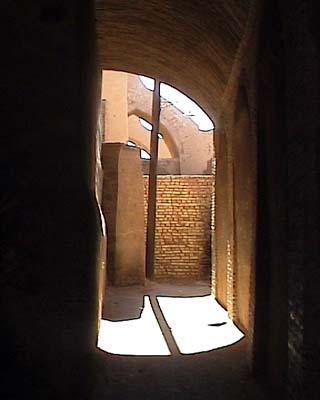
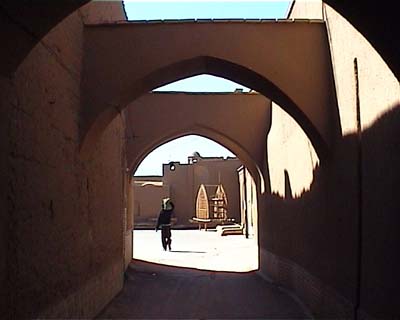
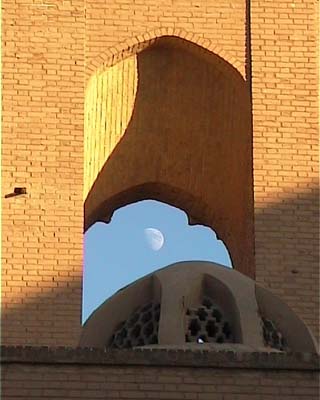
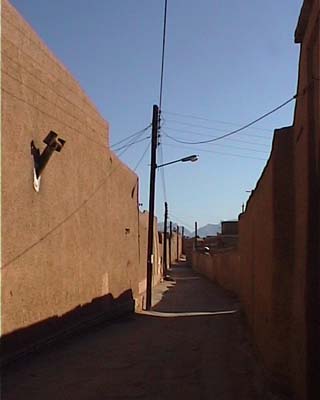
| Small alleys in the old city. Although most of the old city is falling apart, parts are being renovated (some with UNESCO money) | |||||||||||||||||||||||||||||||||||||||||||||||||||||||||||||||||||||||||||||||||
|
|||||||||||||||||||||||||||||||||||||||||||||||||||||||||||||||||||||||||||||||||
|
|||||||||||||||||||||||||||||||||||||||||||||||||||||||||||||||||||||||||||||||||
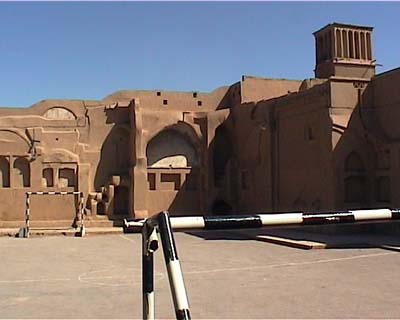
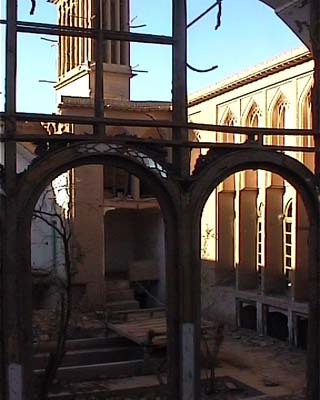
| Part of the renovated old city. The strange walls on the photo at right must ones have been interiors; they have probably cleared most of the houses to build a playground | |||||||||||||||||||||||||||||||||||||||||||||||||||||||||||||||||||||||||||||||||
|
|||||||||||||||||||||||||||||||||||||||||||||||||||||||||||||||||||||||||||||||||
|
|||||||||||||||||||||||||||||||||||||||||||||||||||||||||||||||||||||||||||||||||
|
|||||||||||||||||||||||||||||||||||||||||||||||||||||||||||||||||||||||||||||||||
|
|||||||||||||||||||||||||||||||||||||||||||||||||||||||||||||||||||||||||||||||||
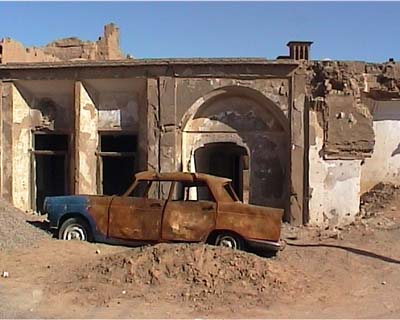
| A more run-down part of the city. The house at left must have been a striking mansion, the one at right probably has no escape from demolition | |||||||||||||||||||||||||||||||||||||||||||||||||||||||||||||||||||||||||||||||||
|
|||||||||||||||||||||||||||||||||||||||||||||||||||||||||||||||||||||||||||||||||
|
|||||||||||||||||||||||||||||||||||||||||||||||||||||||||||||||||||||||||||||||||
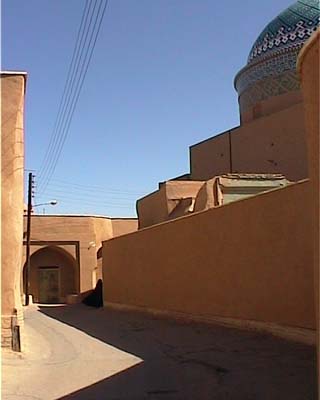
| New features of the city, such as telephone poles and smoke pipes, are often added clumsily | |||||||||||||||||||||||||||||||||||||||||||||||||||||||||||||||||||||||||||||||||
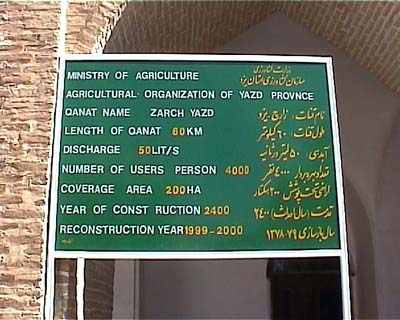
| Yazd owes its existence to qanats, underground water channels. Dug deep underground (by hand!), these channels are often 50-60km long and transport water from the surrounding mountains, where the ground water level is much higher | |||||||||||||||||||||||||||||||||||||||||||||||||||||||||||||||||||||||||||||||||
|
|||||||||||||||||||||||||||||||||||||||||||||||||||||||||||||||||||||||||||||||||
|
|||||||||||||||||||||||||||||||||||||||||||||||||||||||||||||||||||||||||||||||||
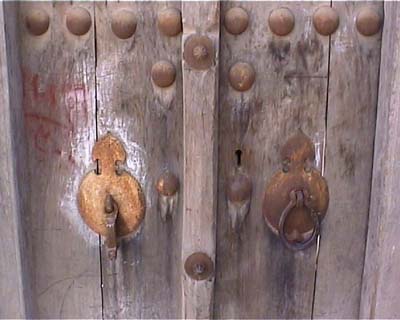
| One door handle is for women, the other for men, so that there can be no misunderstanding about whom has to open the door: a woman won't open if there is a man at the door, to avoid 'undesirable' contact | |||||||||||||||||||||||||||||||||||||||||||||||||||||||||||||||||||||||||||||||||
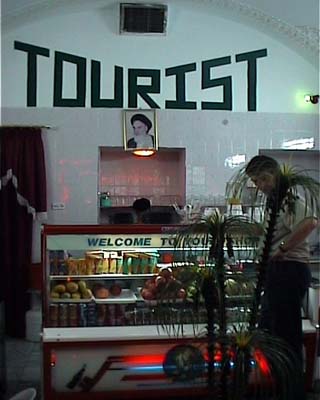
| There is even a Tourist snackbar in Yazd, patronised by Khomeini | |||||||||||||||||||||||||||||||||||||||||||||||||||||||||||||||||||||||||||||||||
|
|||||||||||||||||||||||||||||||||||||||||||||||||||||||||||||||||||||||||||||||||
|
|||||||||||||||||||||||||||||||||||||||||||||||||||||||||||||||||||||||||||||||||
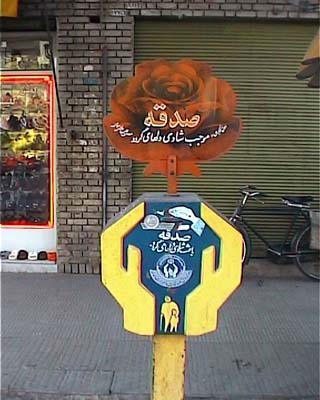
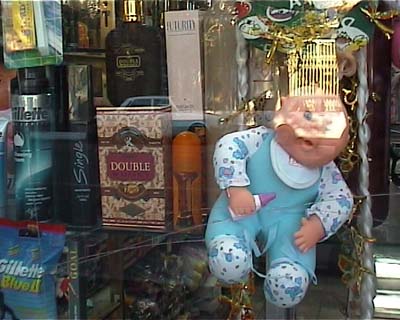
| Shop-window displaying expensive Western goods | Collection boxes like these for the elderly and handicapped can be found all over the place; thanks to the low crime-rates, you can safely deposit money here | ||||||||||||||||||||||||||||||||||||||||||||||||||||||||||||||||||||||||||||||||
|
|
||||||||||||||||||||||||||||||||||||||||||||||||||||||||||||||||||||||||||||||||
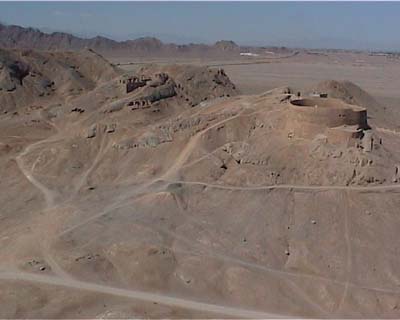
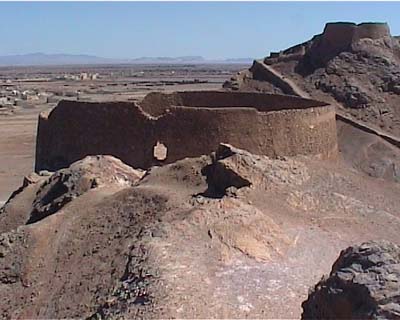
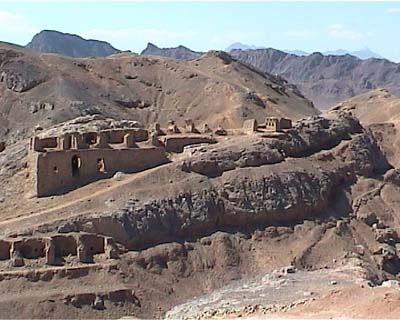
| On the outskirts of Yazd are the Zoroastrian Towers of silence, round structures where the followers of this old religion left their dead out in the open, to be eaten by vultures. Today, some 10,000 Zoroastrians still inhabit the city. Before the advent of Islam, Zoroastrianism (the first monotheistic religion) was the State religion on the Iranian plateau | |||||||||||||||||||||||||||||||||||||||||||||||||||||||||||||||||||||||||||||||||
|
|||||||||||||||||||||||||||||||||||||||||||||||||||||||||||||||||||||||||||||||||
|
|||||||||||||||||||||||||||||||||||||||||||||||||||||||||||||||||||||||||||||||||
|
|||||||||||||||||||||||||||||||||||||||||||||||||||||||||||||||||||||||||||||||||
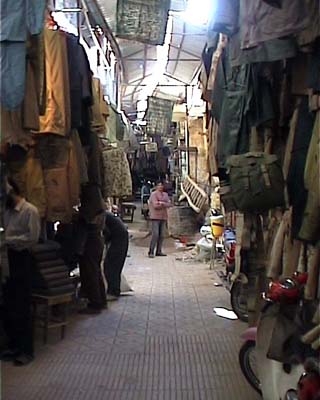
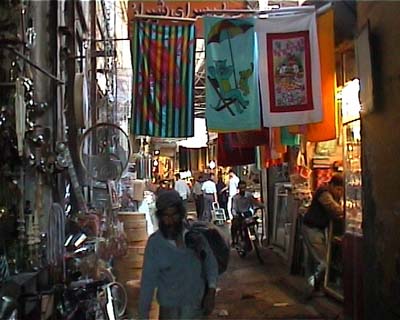
| The colourful bazar of Shiraz | |||||||||||||||||||||||||||||||||||||||||||||||||||||||||||||||||||||||||||||||||
|
|||||||||||||||||||||||||||||||||||||||||||||||||||||||||||||||||||||||||||||||||
|
|||||||||||||||||||||||||||||||||||||||||||||||||||||||||||||||||||||||||||||||||
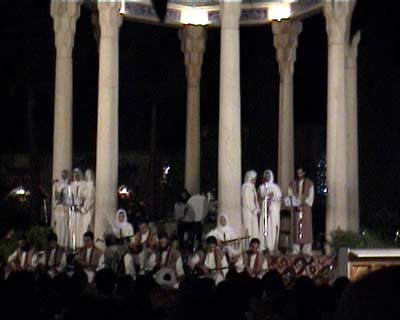
| Hafez festival. Poetry has always been far more important in the Middle East than in the West. The Iranian poets Hafez, Sa'adi and Omar Khayyam are especially revered and both Hafez and Sa'adi have extensive mausoleums in Shiraz | |||||||||||||||||||||||||||||||||||||||||||||||||||||||||||||||||||||||||||||||||
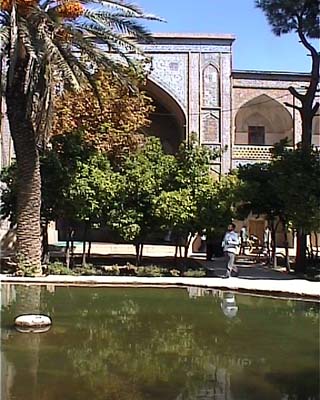
| Lovely old Koran school | |||||||||||||||||||||||||||||||||||||||||||||||||||||||||||||||||||||||||||||||||
|
|
||||||||||||||||||||||||||||||||||||||||||||||||||||||||||||||||||||||||||||||||
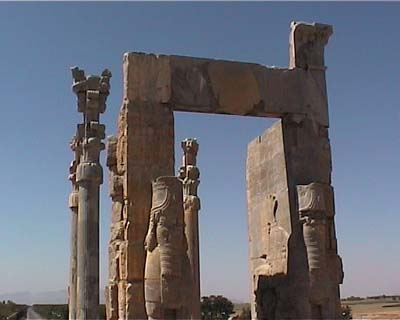
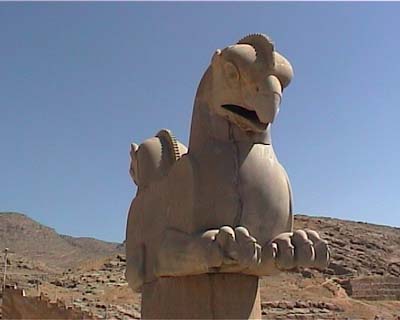
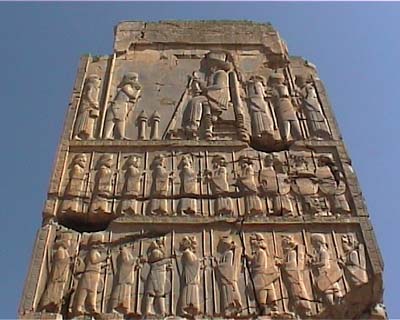
| Persepolis, once the capital of Zoroastrian Iran (known as the Achaemenian empire at that time). Most of the statues were built at the time of Darius the Great, about 500 BC, when the capital was at its hight. The city was destroyed by Alexander the Great two centuries later. Another 2300 years later, in 1971, the last Shah hosted the 2500th anniversery of the founding of Iran. Eight years later he fled the country and the legacy of the Zoroastrians was again suppressed in favor of Islam | |||||||||||||||||||||||||||||||||||||||||||||||||||||||||||||||||||||||||||||||||
|
|||||||||||||||||||||||||||||||||||||||||||||||||||||||||||||||||||||||||||||||||
|
|||||||||||||||||||||||||||||||||||||||||||||||||||||||||||||||||||||||||||||||||
|
|||||||||||||||||||||||||||||||||||||||||||||||||||||||||||||||||||||||||||||||||
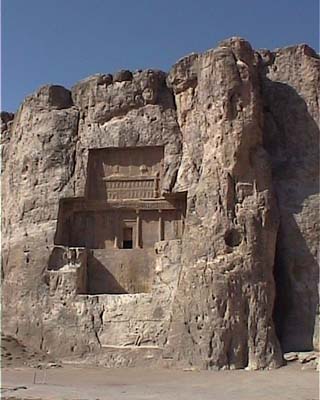
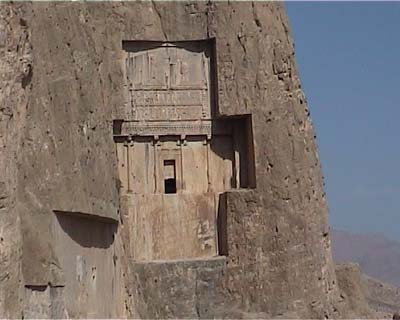
| Just north of Persepolis are the tombs of Darius the Great and his successors, hewn out from the rocks. The site is known as Naqsh-e Rustam | |||||||||||||||||||||||||||||||||||||||||||||||||||||||||||||||||||||||||||||||||
| Next page | |||||||||||||||||||||||||||||||||||||||||||||||||||||||||||||||||||||||||||||||||
| Back | |||||||||||||||||||||||||||||||||||||||||||||||||||||||||||||||||||||||||||||||||