
The African-violet formaly known as Saintpaulia is a genus of 20 species of flowering plants, native to the Nguru mountains of Tanzania and Kenya in eastern tropical Africa. In wild species, flower color ranges from violet and purple to pale blue and white. Several of the species are endangered, and many more are threatened, because of the clearance of their native habitat, the cloud forest, for agricultural puroposes.

The Sarracenia oreophila is an endangered carnivorous plant more commonly known as The Green Pitcher. They are native to the south-eastern coastal plain of the United States and tend to live in swamps, and grassy plains. The soil in these regions tend be poor in nutrients because of the movement of water, so their ability to extract nutrients from insect prey is very beneficial. These �fly traps� catch their prey using no moving parts. A combination of scent, drugged nectar, waxy deposits and gravity lure insects into their pitcher where slipery walls and downward-pointing hairs make escape impossible. Sarracenia are threatened in the wild by development and the drainage of marshes.

Nothapodytes foetida, also Tetulakha, is a small tree found in rainforests in the Western Ghats Mountains located in Western India and Sri Lanka. It is endangered because of the destruction of it�s habitat for lumber and agricultural purposes. The Tetulakha contains the chemical camptothecin (CPT) which is used to treat cancer and HIV-I.
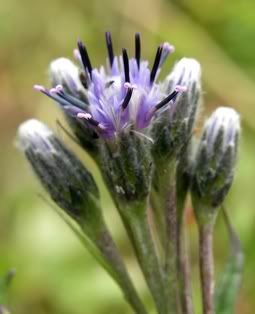
Saussurea lappa, also Costus usually grow on moist, open slopes and are almost exclusively found in the Himalayas and the Kashmir Valley Southeastern Asia. This herbal remedy is widely used and is among China�s most useful herbs. The root of the Costus is used for treatment in chronic skin disorders, acting as a soothing, anti-inflammatory. This specific herb is endangered because of forest clearance.
