|
-- continued --
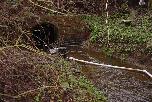
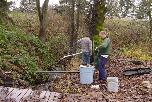
When notified of a final approval, the sponsoring group then acquires the actual incubators, egg trays, artificial gravel and the necessary plumbing to insure adequate water flow. Incubators are installed in the early winter, anticipating receiving eggs near the first of the year.
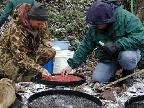
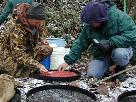
The Issaquah Hatchery dispenses salmon eggs to around 20 separate organizations involved in incubator projects in the Lake Washington watershed. Eggs are fertilized at the hatchery and provided to the groups in an "eyed condition." Hundreds of thousands of eggs are carefully transported to the remote incubator sites, receive a timed rinse with an iodine solution to remove any contamination, then they are placed in the incubators. Sites are monitored and cleaned daily to insure a constant clear water flow providing life-giving oxygen first to the eggs, then to the fry.
Soon after hatching, normally only a few days after delivery of eggs to the site, the fry wiggle into the artificial gravel stored at the bottom of the incubator to spend the next two months living off their egg sacks. After approximately 2 months of mothering by the operator, the salmon feel the urge to seek real food and find their way out through outflow pipes into the stream. Stream food supply determines whether the young salmon stay a few days or several weeks in the stream, at which point they make their way into the lake. Many months later, with luck, they make it to salt water. They will return to spawn and start the salmon life cycle again, normally as a four-year-old fish.
Incubator success rate is normally approximately 95%. Natural stream incubation typically has only a 5-10% survival rate. Remote incubators, with the assistance of dedicated groups and individuals are helping bring our salmon numbers back. Help support your local incubator and those that operate them. The next salmon you see may be a direct result of their efforts.
BACK TO ARTICLE'S BEGINNING
Click here
or
Return to the web site
|
|