|
|
|
|
|
|
(Above)
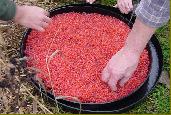
30,000 eyed eggs being placed in incubator. Two more trays yet to be added.
|
|
|
|
|
|
|
|
|
|
HELPING SALMON BY THE USE OF REMOTE INCUBATORS
by Roger Urbaniak
Salmon numbers have been on a decline in Washington State for a number of years. Causes such as logging, pollution, over fishing, commercial harvesting, habitat destruction and many more have been cited as contributing causes. Although many still argue about the cause of the decline, some organizations are working positively towards improving the salmon numbers.
Boy scout groups, elementary school projects, several Indian tribes, organized fishing groups as well as many others have turned their attention to trying to build up the local salmon numbers with the use of salmon remote site incubators. Improving habitat may be a good long-term solution, but raising more salmon to enjoy now has a growing list of followers. An increased Cedar River hatchery size is helping to bring back the sockeye population. The use of remote site salmon incubators is beginning to improve the local silver salmon population.
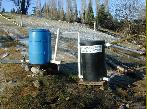
This is how the use of salmon incubators works. Someone familiar with the incubator process must review each proposed site for adequacy. Sites require adequate water volume, and water quality to sustain salmon in their early life. If a site passes the first inspection, it is surveyed for potential access from local property owners. Assuming sufficient access to a section of stream is given, plans move forward. Normally up to 200 feet of stream may be required for plumbing of the system, this will vary and will depend on water volume and stream topography. Steeper streams require less plumbing. Next, the Department of Fish and Wildlife is contacted to approve the concept of additional incubators to the system. They survey egg availability, need for fish in selected watersheds, potential impacts to other ongoing projects, risk of contamination or disease in strains of fish etc. WDF&W will insist that accurate plant records be kept at individual locations, identifying planting size, release date, survival rate and general site comments. If they approve the area need, together with egg availability, applications are then completed to gain approval or to obtain waivers of the site from Corps of Engineers and Shoreline Management. Sites need to be approved one year ahead of any planting. The approval process itself will take 2-3 months. I have personally been involved with 4 incubator sites in the Lake Washington watershed and continually look to expand my involvement.
CONTINUED click here
|
|
|
|
|
|
 |