 |
|
|
|
|
|
|
|
|
|
|
|
|
|
|
|
|
|
|
|
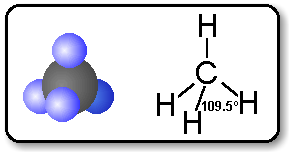
Methane |
|
|
|
 |
|
|
|
Methane molecule from www.physchem.co.za/Bonding/Shape.htm |
|
|
|
Basic Information: Methane, also known as marsh gas or swamp gas, is a gas at room temperature that consists of one atom of carbon and four atoms of hydrogen. (Formula CH4.) It is the main component of natural gas, a gaseous fossil fuel. "It is also formed and released to the atmosphere by biological processes occurring in anaerobic environments." Epa.gov |
|
|
|
Emissions: Reports from the EPA have shown that 24% of U.S. methane emissions come from the burning of fossil fuels. Natural sources of methane include cattle guts, bacteria from paddy fields, termites, coal mines, rotting vegetation and thawing tundra. The thawing tundra is probably the most important natural source to examine. Increased temperatures have caused the tundra to begin defrosting, resulting in the release of methane gas that is trapped in the permafrost. This creates a vicious cycle in which greenhouse gases heat the earth and thaw the tundra, and in turn the tundra releases more methane which adds to the greenhouse effect. However, humans have produced 60% of methane in the atmosphere, mainly through combustion of fossil fuels, but also through our creation of landfills. Landfills account for 34% of all methane emissions, making them the largest human source of methane in the United States. |
|
|
|
Role in Global Warming: Methane has more than 20 times the heat trapping capability of carbon dioxide, over a 100 year period. However, its atmospheric lifespan is much shorter than carbon dioxide, at approximately 12 years. Once in the atmosphere, methane absorbs terrestrial infrared radiation that would otherwise escape to space. This property can contribute to the warming of the atmosphere, which is why methane is a greenhouse gas. |
|
|
|
Greenhouse Gases |
|
|
|
Next Page --> |
|
|
|
Chem X Home |
|
|
|
|
|
|
|