FOLK ROCK Pop music had begun in the 1950s primarily as the inarticulate
expression of teenage angst. But by the early 1960s, a new generation of artists
who had grown up listening to rock and roll were eager to explore the seemingly
infinite opportunities that it offered for creative freedom and self expression,
when invested with integrity, intelligence and imagination. As the youth of the
Western World became more aware of the world around it, principally through the
influence of television and rock music, teenagers found themselves growing up
fast and consequently rejected the contrived commercial sound of the 1960s pop.
Teenagers were also becoming increasingly independent in their opinion and
restless to find somebody to echo those beliefs. In America, Brian Wilson of the
Beach Boys and singer-songwriters such as Paul Simon, Joni Mitchell, Neil Young
and Bob Dylan were eagerly adopted as spoke persons for their generation.
Paul Kantner of the
Jefferson Airplane once famously
remarked that if anyone claimed that they could remember the 1960s then they
couldn't have been there. The inference being that those who were really
involved were so stoned on acid (LSD) and other illegal substance that they
could never hope to recall what it had really been like to live through the
surreal decade. Now that the hash haze has cleared, it has become apparent that
the band who were most responsible for ushering in the "psychedelic
Sixties" were not the Beatles, as is commonly believed. Not even one of the
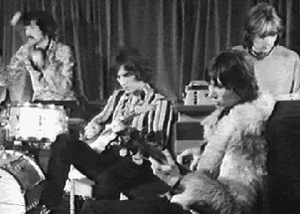
experimental "head" bands such as Pink
Floyd, but mild, unassuming
Californian Folk Rock outfit called The Byrds.
GARAGE ROCK Punk were not a phenomenon of the mid-1970s, as is commonly believed,
but the second wave in an assault upon the musical establishment, which had
launched its first attack in America in the mid-1960s. The British invasion of
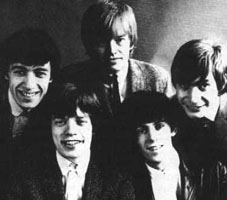
the United States, led by The Beatles, The Animals, and
The Rolling Stones, had
inspired the formation of countless US "Beat Groups" whose enthusiasm
to imitate their heroes was often disproportionate to their talent. But in Rock,
youth and raw energy were often all that were required to create something
irresistibly exciting.
Garage Rock were formed during the mid-1960s'
pre-psychedelic minimalist US rock movement typified by a frenetic three-chord,
three-minute thrash, screaming vocals, distorted guitars and an occasional
electric organ line. These groups were dubbed the "Garage Bands" for
the simple reason that most of them were limited in playing in their parent's
garages because they were too young and inexperience to get paid gigs. But even
once they had persuaded skeptical club owners to let them take the stage they
retain their casual amateur attitude and penchant for musical minimalism cranked
out at a volume that had initially been intended to irritate the neighbors. The
other endearing characteristics of a garage band included the reedy drone of a
Vox or Farfisa portable organ, which sounded like it might have been taken from
a schlock-horror movie soundtrack, and the presence of heavily distorted
guitars, which had been fed through what were known as fuzz-boxes. It was a raw,
intimidating sound and often based around no more than three major chords
because the band were simply too impatient to spend any more time extending
their musical vocabulary.
PSYCHEDELIC
/ ACID ROCK New fashions in pop and rock music have tended to originate in
specific regions. Often a new sound can be traced back to a particular city or
even a readily identifiable district. Rock and Roll was brewed in the southern
United States, for example, doo-wop in the Bronx district of New York, soul in
Memphis with a branch in Motown in Detroit, Merseybeat erupted in Liverpool and
so on. The same is true of the music that dominated the latter half of the 1960s
pop - Psychedelia or Acid Rock whose themes and sounds sought to re-create the
hallucinogenic effects of mind-expanding drugs such as LCD (acid). The music
that the bands of Bay Area in san Francisco made and that, later, other groups
around the world would make under the influence of LSD. Was dubbed psychedelic,
a clinical term that had been applied to describe the altered states of
consciousness induced by the drug. Psychedelia aimed to recreate in sound the
same sensory effects as a mind-expanding acid "trip" and for that the
groups needed to free themselves from the mundane preoccupations of previous pop
lyrics. As a result, songs became longer if you were not "stoned" or
"high" yourself.
Psych-pop and its blissed-out associate acid rock
were not a single, readily identifiable sound, but a composite diverse sound and
styles created by very different groups. They came together spontaneously for
one brief, glorious yearlong summer to provide the soundtrack to a genuine youth
movement. By the time media and record company marketing executives arrived in
San Francisco, the original movement was already fading. The middle-class
American teenagers were naively latching on to "flower power" as the
next fad after The Monkees and bus loads of curious tourists were herded through
Haight to gawk at the "freaks". Perhaps only The Greatful
Dead, Jimi
Hendrix, and the UK's Pink Floyd qualified as being authentic psychedelic but
they were too diversified once the euphoria of 1966/67 had given way to
disillusionment and cynicism at the end of the decade.
It was not so much a sound that they all shared but a
way of life. The hippies saw themselves as the peace-loving "flower
children" of a new Golden Age, the Age of Aquarius, in which they would
re-establish the Garden of Eden on earth free from the corrupting influence of
mass, crass commercialism and the manipulative men in suits. In this naively
idyllic new world, everything would be free; free love, free food, free acid and
of course, free music. Drawn by the music and the promise of free drugs and free
love, several million young Americans and several million more from other
European countries converge on San Francisco in the summer of 1967 for huge
tribal gatherings in Golden Gate Park that were dubbed the Human Be-ins.
HEAVY METAL
/ HARD ROCK / PROGRESSIVE ROCK
Heavy metal was a stylized form of rock, which relies on a repeated
riff to propel the song forward. When it first appeared in the late 1960s, it
drew its imagery from Sword and Sorcery fiction and horror comics. On the other
hand, hard rock is a guitar driven genre, which differs from heavy metal in that
it is less rigid and riff oriented and frequently draws on the blues format and
feel. The inevitable consequence of the "beat boom" and blues revival
in the mid-1960s, was that bands on both sides of the Atlantic began to explore
the possibilities beyond the three-chord, 12-bar format once they found that
they could write original materials. Many retained the riff-driven, back to
basics approach, but tricked up their own songs with demonstrative vocal and
guitar histrionics, which had been one side effect of the psychedelic
experience. Of these bands, Cream, Led
Zeppelin, Deep Purple and
Black Sabbath
made a lasting and profound impression on the development of popular music and
racked several multimillion-selling albums in the process.
A second stream shook off what they saw as the
restriction imposed by the blues and evolved an entirely new and experimental
form rooted in rock, but aimed squarely into the future. Progressive rock (also
known as pomp rock) is a genre popular in the late 1960s and early 1970s, which
attempted to broaden the musical vocabulary, instrumentation and themes used by
rock groups in an effort to create a hybrid of rock and classical music. These
"progressive" rock bands strove to blur the boundaries between rock
and classical music, a laudable enough ambition and one, which they achieved
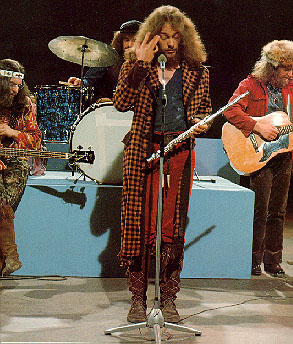
with varying degrees of success. Of these groups, King Crimson, ELP, Yes, Genesis, The Moody Blues and
Jethro Tull were the most successful although,
ironically, it is their sound and vision that has dated more dramatically than
their less ambitious contemporaries. One reason for this is that the progressive
groups augmented their sound with keyboards, specifically the then fashionable
Moog synthesizer and the notoriously unreliable Mellotron, which provided the
ethereal string sound triggered by tiny tape loops. Guitars, drums and bass
alone couldn't evoke the atmosphere, nor provide the broad spectrum of
additional colors that these (mostly classical trained) musicians required. But
in comparison with the pure digitally sampled sounds of the 1990s, some of the
keyboards used in the 1960s and 1970s were positively primitive and wholly
unrealistic.













 Pop music had begun in the 1950s primarily as the inarticulate
expression of teenage angst. But by the early 1960s, a new generation of artists
who had grown up listening to rock and roll were eager to explore the seemingly
infinite opportunities that it offered for creative freedom and self expression,
when invested with integrity, intelligence and imagination. As the youth of the
Western World became more aware of the world around it, principally through the
influence of television and rock music, teenagers found themselves growing up
fast and consequently rejected the contrived commercial sound of the 1960s pop.
Teenagers were also becoming increasingly independent in their opinion and
restless to find somebody to echo those beliefs. In America, Brian Wilson of the
Pop music had begun in the 1950s primarily as the inarticulate
expression of teenage angst. But by the early 1960s, a new generation of artists
who had grown up listening to rock and roll were eager to explore the seemingly
infinite opportunities that it offered for creative freedom and self expression,
when invested with integrity, intelligence and imagination. As the youth of the
Western World became more aware of the world around it, principally through the
influence of television and rock music, teenagers found themselves growing up
fast and consequently rejected the contrived commercial sound of the 1960s pop.
Teenagers were also becoming increasingly independent in their opinion and
restless to find somebody to echo those beliefs. In America, Brian Wilson of the
 Paul Kantner of the
 Punk were not a phenomenon of the mid-1970s, as is commonly believed,
but the second wave in an assault upon the musical establishment, which had
launched its first attack in America in the mid-1960s. The British invasion of
the United States, led by
Punk were not a phenomenon of the mid-1970s, as is commonly believed,
but the second wave in an assault upon the musical establishment, which had
launched its first attack in America in the mid-1960s. The British invasion of
the United States, led by 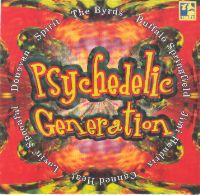 1960s
pop - Psychedelia or Acid Rock whose themes and sounds sought to re-create the
hallucinogenic effects of mind-expanding drugs such as LCD (acid). The music
that the bands of Bay Area in san Francisco made and that, later, other groups
around the world would make under the influence of LSD. Was dubbed psychedelic,
a clinical term that had been applied to describe the altered states of
consciousness induced by the drug. Psychedelia aimed to recreate in sound the
same sensory effects as a mind-expanding acid "trip" and for that the
groups needed to free themselves from the mundane preoccupations of previous pop
lyrics. As a result, songs became longer if you were not "stoned" or
"high" yourself.
1960s
pop - Psychedelia or Acid Rock whose themes and sounds sought to re-create the
hallucinogenic effects of mind-expanding drugs such as LCD (acid). The music
that the bands of Bay Area in san Francisco made and that, later, other groups
around the world would make under the influence of LSD. Was dubbed psychedelic,
a clinical term that had been applied to describe the altered states of
consciousness induced by the drug. Psychedelia aimed to recreate in sound the
same sensory effects as a mind-expanding acid "trip" and for that the
groups needed to free themselves from the mundane preoccupations of previous pop
lyrics. As a result, songs became longer if you were not "stoned" or
"high" yourself. Psych-pop and its blissed-out associate acid rock
were not a single, readily identifiable sound, but a composite diverse sound and
styles created by very different groups. They came together spontaneously for
one brief, glorious yearlong summer to provide the soundtrack to a genuine youth
movement. By the time media and record company marketing executives arrived in
San Francisco, the original movement was already fading. The middle-class
American teenagers were naively latching on to "flower power" as the
next fad after
Psych-pop and its blissed-out associate acid rock
were not a single, readily identifiable sound, but a composite diverse sound and
styles created by very different groups. They came together spontaneously for
one brief, glorious yearlong summer to provide the soundtrack to a genuine youth
movement. By the time media and record company marketing executives arrived in
San Francisco, the original movement was already fading. The middle-class
American teenagers were naively latching on to "flower power" as the
next fad after 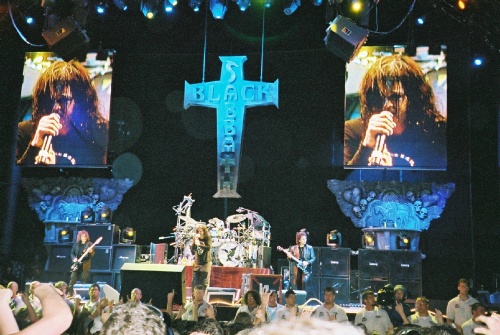
 A second stream shook off what they saw as the
restriction imposed by the blues and evolved an entirely new and experimental
form rooted in rock, but aimed squarely into the future. Progressive rock (also
known as pomp rock) is a genre popular in the late 1960s and early 1970s, which
attempted to broaden the musical vocabulary, instrumentation and themes used by
rock groups in an effort to create a hybrid of rock and classical music. These
"progressive" rock bands strove to blur the boundaries between rock
and classical music, a laudable enough ambition and one, which they achieved
with varying degrees of success. Of these groups, King Crimson, ELP, Yes,
A second stream shook off what they saw as the
restriction imposed by the blues and evolved an entirely new and experimental
form rooted in rock, but aimed squarely into the future. Progressive rock (also
known as pomp rock) is a genre popular in the late 1960s and early 1970s, which
attempted to broaden the musical vocabulary, instrumentation and themes used by
rock groups in an effort to create a hybrid of rock and classical music. These
"progressive" rock bands strove to blur the boundaries between rock
and classical music, a laudable enough ambition and one, which they achieved
with varying degrees of success. Of these groups, King Crimson, ELP, Yes, 