|
Meet the Children
The Svirstroiski Orphanage is
home to 64 children, ages 5 to 17. Nearly all of the children are social
orphans, taken away from or discarded by their parents. During my six week
stay, I learned many of their stories...

Igor, Maxim, and Tanya
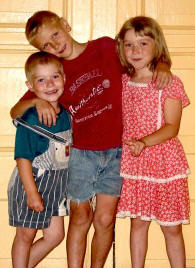 When
they were 6, 5, and 3 years old, Maxim, Tanya, and Igor found themselves alone on the
streets, begging for food. Their father had abandoned them, and their
mother had thrown them out of the house in a drunken rage. When
they were 6, 5, and 3 years old, Maxim, Tanya, and Igor found themselves alone on the
streets, begging for food. Their father had abandoned them, and their
mother had thrown them out of the house in a drunken rage.
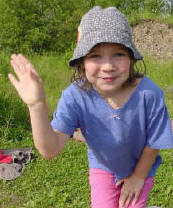 Although she is now 8, Tanya hasn't
started school. She still suffers from the trauma of living on the street
and is emotionally detached. There are many children like Tanya in the
orphanage, continuing to suffer from the effects of emotional and physical
abuse. Although she is now 8, Tanya hasn't
started school. She still suffers from the trauma of living on the street
and is emotionally detached. There are many children like Tanya in the
orphanage, continuing to suffer from the effects of emotional and physical
abuse.
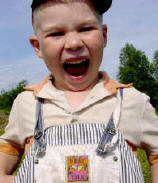 Igor has only one desire, to be carried around all day on
someone's shoulders! He will run in front of you and stick out his arms to
be lifted up (which makes him look like a duck). He loves to laugh, but he cries when he doesn't get his way
(though he always waits to make sure someone is watching before he starts). Igor has only one desire, to be carried around all day on
someone's shoulders! He will run in front of you and stick out his arms to
be lifted up (which makes him look like a duck). He loves to laugh, but he cries when he doesn't get his way
(though he always waits to make sure someone is watching before he starts).
Maxim, now 9, was moved off the infant floor last year. As the youngest
kid outside the infant floor, he is picked on a lot by the older kids.
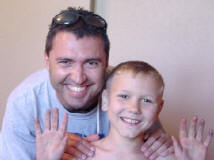 Throughout my six week stay,
Maxim's
mother promised to visit. Each time she promised, he would wait all day
for her to come. Like many kids in the orphanage, Maxim just wants to be loved by someone, even
if they have treated him poorly in the past. Unfortunately, time and again
she disappointed him. It was heartbreaking to see the look of sadness on Maxim's face,
but typical of these children, a lot of hugs and attention always brought a
smile back to his face. Throughout my six week stay,
Maxim's
mother promised to visit. Each time she promised, he would wait all day
for her to come. Like many kids in the orphanage, Maxim just wants to be loved by someone, even
if they have treated him poorly in the past. Unfortunately, time and again
she disappointed him. It was heartbreaking to see the look of sadness on Maxim's face,
but typical of these children, a lot of hugs and attention always brought a
smile back to his face.
Artyom
Although he is nine years old, Artyom still cannot read or write. He has a
great deal of difficulty even writing his name,
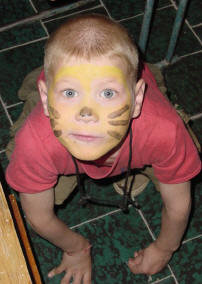 and much of what he says is often
difficult to understand. As with most orphans that have learning
difficulties, Artyom's medical records label him "debil" (slow). There is
a very negative stigma attached to this label, and he is treated differently
because of it. When the rest of the kids were rotated out to summer camps,
Artyom was the only child not allowed to go. and much of what he says is often
difficult to understand. As with most orphans that have learning
difficulties, Artyom's medical records label him "debil" (slow). There is
a very negative stigma attached to this label, and he is treated differently
because of it. When the rest of the kids were rotated out to summer camps,
Artyom was the only child not allowed to go.
But there was no one at the orphanage that affected me more
than Artyom. I looked forward to seeing him everyday, and he absolutely
loved the attention. He would talk all day, never concerned about the fact
that I didn't speak Russian. He just loved having someone to talk to.
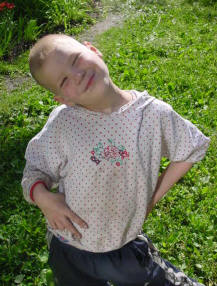 One day, I looked out my fourth
story window to see him hanging out of the window below mine singing. He
was always in his own little world, marching to the beat of a different drummer. One day, I looked out my fourth
story window to see him hanging out of the window below mine singing. He
was always in his own little world, marching to the beat of a different drummer.
[click here to see Artyom singing]
Artyom often had people help him write
letters to his mom. He would tell her that he was still waiting for her to
come pick him up. He said he would be ready whenever she came. His
letters never receive a response.
Sasha
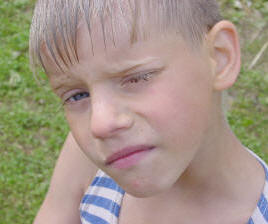 Although Sasha is almost 10, he is
by far the smallest kid in the orphanage at maybe 3 feet tall and 35 pounds.
But you've never seen a kid with so much energy. The orphanage is four
stories high, and he lived on the top floor. The eight flights of stairs
were narrow and quite dangerous, but Sasha always went up and down at full
speed. He always had a smile, despite the gaps between his teeth.
Sasha loved balloons, and he would meet me every morning for a new supply that
would keep him occupied for hours. Although Sasha is almost 10, he is
by far the smallest kid in the orphanage at maybe 3 feet tall and 35 pounds.
But you've never seen a kid with so much energy. The orphanage is four
stories high, and he lived on the top floor. The eight flights of stairs
were narrow and quite dangerous, but Sasha always went up and down at full
speed. He always had a smile, despite the gaps between his teeth.
Sasha loved balloons, and he would meet me every morning for a new supply that
would keep him occupied for hours.
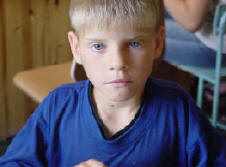 When we took some of the kids down
to the docks to sell handmade dolls to tourists, Sasha was so excited. He
was never allowed to do anything, and he couldn't believe that we wanted him to
come with us. His job was to walk around with one of the American
volunteers, passing out fliers to people to
tell them where our little booth was located. I think he collected more
money from the tourists than we got from selling the dolls! When we took some of the kids down
to the docks to sell handmade dolls to tourists, Sasha was so excited. He
was never allowed to do anything, and he couldn't believe that we wanted him to
come with us. His job was to walk around with one of the American
volunteers, passing out fliers to people to
tell them where our little booth was located. I think he collected more
money from the tourists than we got from selling the dolls!
Every Child
Had a Story
Every child had a story to
tell. Despite the hand they'd been dealt, they still had dreams about
becoming astronauts and engineers, of getting married and having a family.
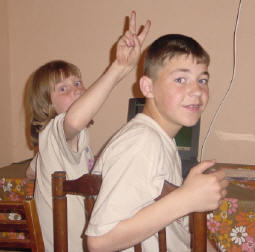 A few children are able to leave the orphanage during the summer to visit family members
or attend a short summer camp (where the conditions were no better than at the
orphanage, but at least it was a change of scenery). Niku, 14, who lived
in a nearby town until he was removed from his home two years ago, was able to
spend a week living with his friend's family, but his sister, Silva, wasn't so
lucky. A few children are able to leave the orphanage during the summer to visit family members
or attend a short summer camp (where the conditions were no better than at the
orphanage, but at least it was a change of scenery). Niku, 14, who lived
in a nearby town until he was removed from his home two years ago, was able to
spend a week living with his friend's family, but his sister, Silva, wasn't so
lucky.
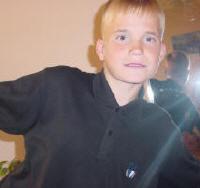 Sadly, no one visits the
majority of the children, no one writes, and no one calls. Some have spent
their entire lives without any contact from their families. Some, like Misha, have never left the orphanage because they have no families.
Throughout the endless, dreary winter, they remain cooped up inside the
orphanage with little to do, believing no one cares about them. Sadly, no one visits the
majority of the children, no one writes, and no one calls. Some have spent
their entire lives without any contact from their families. Some, like Misha, have never left the orphanage because they have no families.
Throughout the endless, dreary winter, they remain cooped up inside the
orphanage with little to do, believing no one cares about them.
What Does Their
Future Hold?
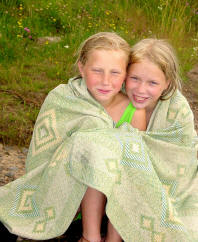 It's difficult for me to look
at the hundreds of photos taken during my stay (many of them by Artyom's brother, Ruslan). When I look at the photos of Anna and Olya, I worry about what life will
be like for these cute, caring little girls. Will they become another
statistic in the growing abuse of It's difficult for me to look
at the hundreds of photos taken during my stay (many of them by Artyom's brother, Ruslan). When I look at the photos of Anna and Olya, I worry about what life will
be like for these cute, caring little girls. Will they become another
statistic in the growing abuse of
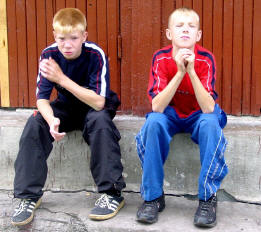 young Russian girls? young Russian girls?
When I look at the photos
of the teenage boys, I can't help but wonder how long they will resist the
temptations of drinking and smoking, especially the boys like Kolya and Dima who
are now 13.
I think about the older girls who
would certainly be thinking about college if they were here but instead are
worrying about being kicked out of the orphanage with nowhere to go and no one
to turn to. And I wonder
if their great promise will be lost.
| 