
Population
| One of the most significant characteristics of South Asias population is its size. Over 1.4 billion people, more than one-fifth of the worlds population, live in the region. Indias population includes people people from diverse groups. The largest number of Indians are descended from the Dravidians, who have lived in the south of India for 8,000 years, and the Aryans. Sri Lanka has two main groups,which are fiercely divided along ethnic and religious lines. They speak diffrent languages and live in diffrent parts of the island country. The Buddhist Sinhalese are the majority and control the government. The other group, Hindu Tamilis, have been fighting for an independent Tamil state in northern Sri Lanka since the early 1980s. Since 1984, more than 100,000 Sri Lankans have been killed or disappeared. With 814 people per square mile, South Asia's population density is almost seven times the world average. Population growth rates in South Asia have traditionally been high, although educational and economic assistance efforts have slowed population growth in some countries. The highest concentrations of population in South Asia re found on the fertile Ganges Plain and along the monsoon watered coasts of the Indian peninsula. Most of South Asia's population is rural. In Nepal only 11 percent of the people live in cities. Even in Pakistan, South Asia's most urbanized country, nerly two-thirds of the population lives in rural areas. Delhi India's third largest city, is part of a megalopolis, or a chain of closely linked metropolitan areas. | 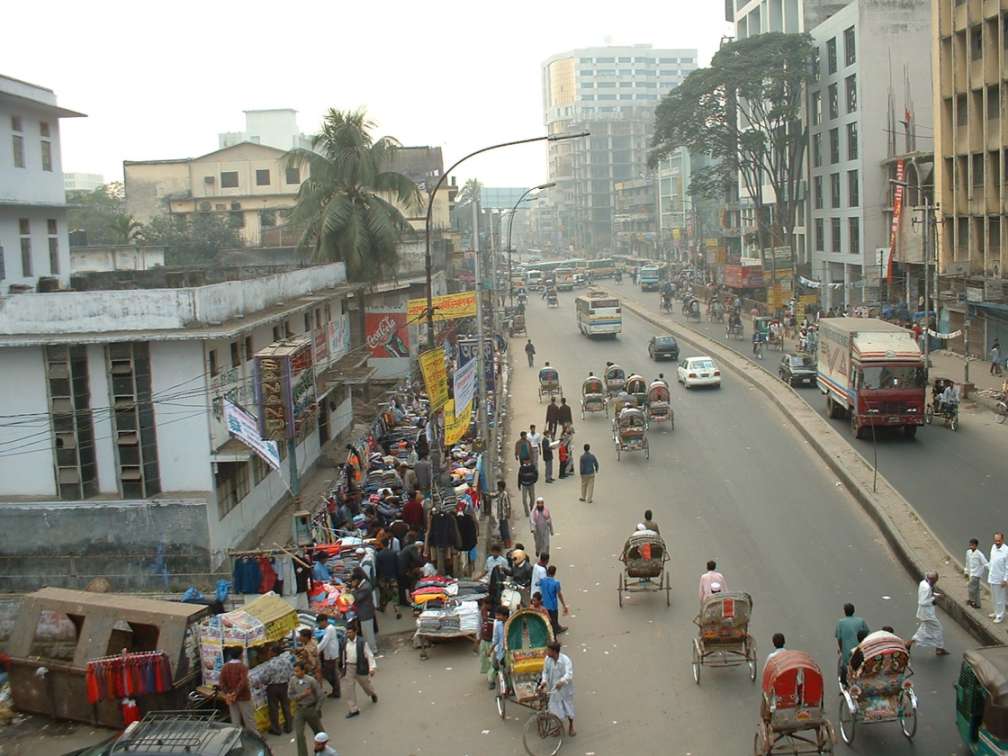 |
