|
| HOME | TYPE OF MAMMALS | TYPE OF AMPHIBIAN_FROG | TYPE OF REPTILES |
| TURTLE | |
  | |
| •
Once a male sea turtle hatches and enters the ocean, it will probably
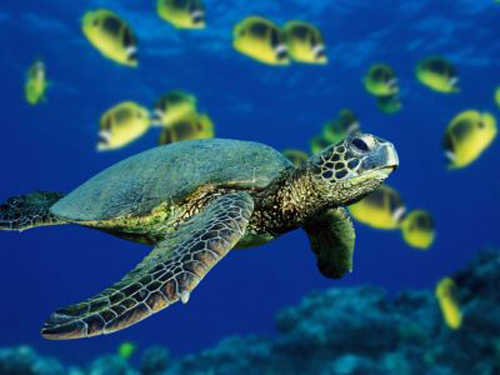
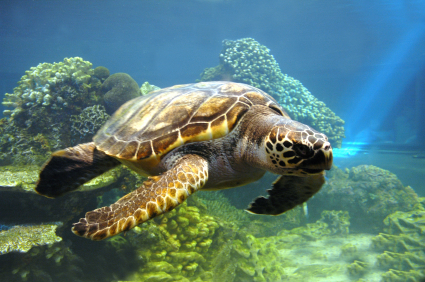
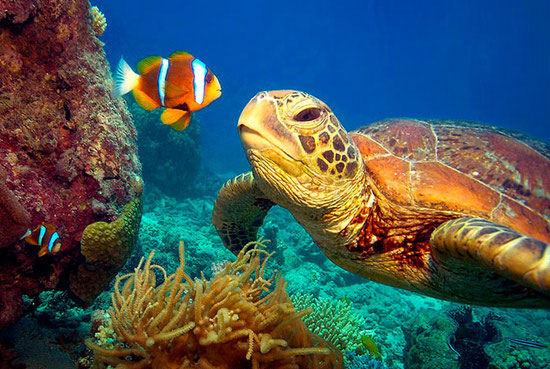
not step on land again. A female turtle laying eggs will dig several empty nests to throw off predators trying to eat the eggs. • Most turtle species have five toes on each limb with a few exceptions including the American Box Turtle of the Carolina species that only has four toes, and in some cases, only three. Turtles have good eyesight and an excellent sense of smell. Hearing and their sense of touch are both good. • Sea turtles excrete salt absorbed in sea water from their eyes, which is why they seem to cry. Many snapping turtles have been known for biting for no reason at all and not letting go. • There are differences between a turtle and tortoise. A turtle spends most of its time in water. Turtles have webbed feet for swimming. • A tortoise is a land dweller. Its feet are not webbed. Turtles have flatter backs than tortoises. Terrapins are creatures fall in between. They spend time both on land and in water. • Some turtles can live for more than a year without food. Hawksbill turtles feast off sea sponges which are highly poisonous to most sea animals, but not to this turtle. A tortoise’s diet consists mostly of shrubs and plants. • Some aquatic turtles can absorb oxygen through the skin on their neck allowing them to remain submerged underwater for extended periods of time and enabling them to hibernate underwater. The soft shelled turtle uses it’s long tip nose and nostrils like a snorkel to breath under water. • The green sea turtle can stay under water for over five hours without coming up for air. When in danger the green turtle can swim almost 20 miles an hour to escape. • Some land turtles can actually out run a human on level ground. The desert tortoise is probably the slowest of all tortoises. It can only move 2 feet each minute. | 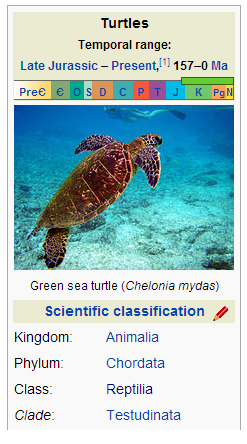 |
 | |
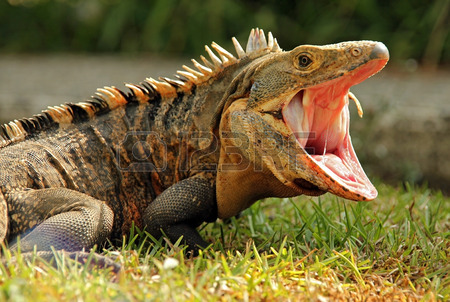
| IGUANA | |
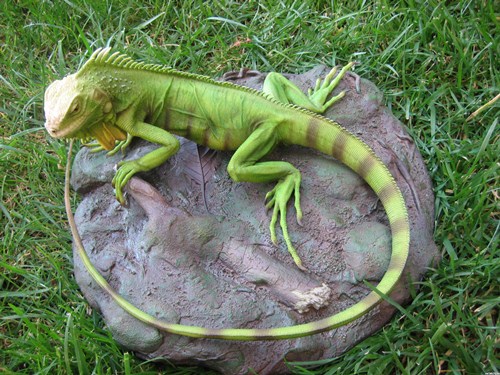
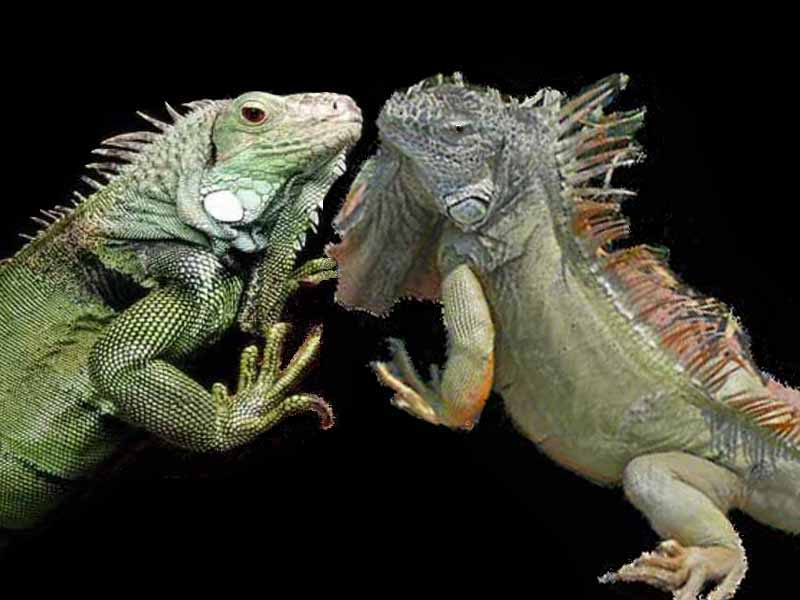
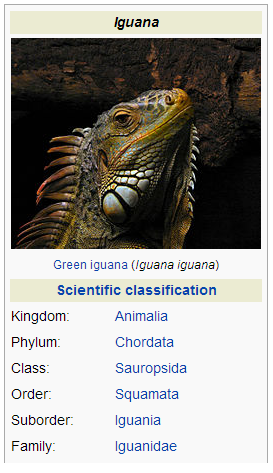 | • Iguana can vary in size depending on the species. On average, they are usually 6 to 6.5 feet long, weighting 11 pounds. Iguanas are the largest lizards in America. • Iguana has strong jaws with sharp teeth. They have very long and sharp tail that is usually half of the body size. • Tail is used mainly for defense (iguana can punch its enemy with tail). In the case of danger, iguana can detach a part of its tail to ensure fast escape from predator. • Just like in other lizards, iguana's "broken" tail will soon heal and reach its previous size. • Green iguana has a third eye. This retina-like structure is located on the top of the head and it is connected with a pineal gland in the brain. Although it does not produce images like a regular eye, it reacts to the changes in light and it is used for detection of predators above the head. • Some of the worst enemies of iguana are predatory birds. Iguana often freezes on the sound of hawk's whistle and unfortunately becomes even easier prey for catching. • Species of iguana that live in tropical rainforest spend the most of their life high in the treetops, often on the height of 40 to 50 feet. • Although they are stable and safe on trees, they may occasionally fall down. Iguana can survive fall from the height of 40 to 50 feet without injuries. • Iguana is herbivore (plant-eater). It likes to eat fruit, leaves and flowers. • Iguanas are often found near the water. They are known as excellent swimmers. • Iguana breathes using lungs. It can spend 28 minutes under the water without returning to the surface to breathe air. • Some species of iguana are able to inflate themselves during the flood to become floatable. • Mating season for most iguana species lasts from November to March, April. Female lays between 20 and 71 eggs in the nest. Iguana does not provide parental protection and eggs are left on their own. • Eggs hatch after period of usually 10 to 15 weeks. Young iguanas look like miniature adults. They stay together during the first year of their life in family groups which offer protection against predators. • Average lifespan of iguana is around 20 years in the wild. They live much shorter in captivity due to inappropriate care. |
   | |