|
| HOME | TYPE OF MAMMALS | TYPE OF AMPHIBIAN_FROG | TYPE OF REPTILES |
| PANDA |
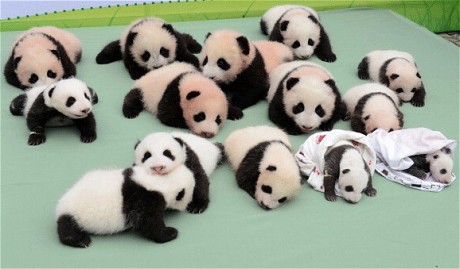
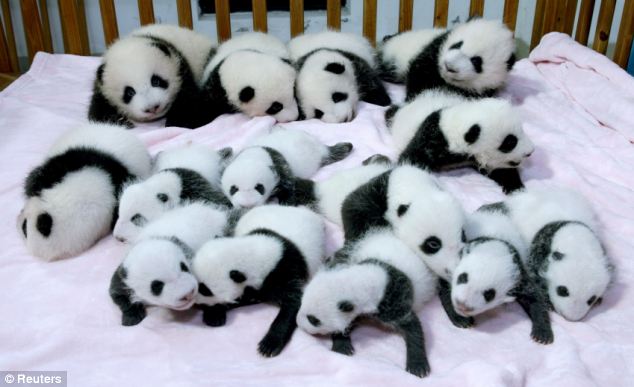
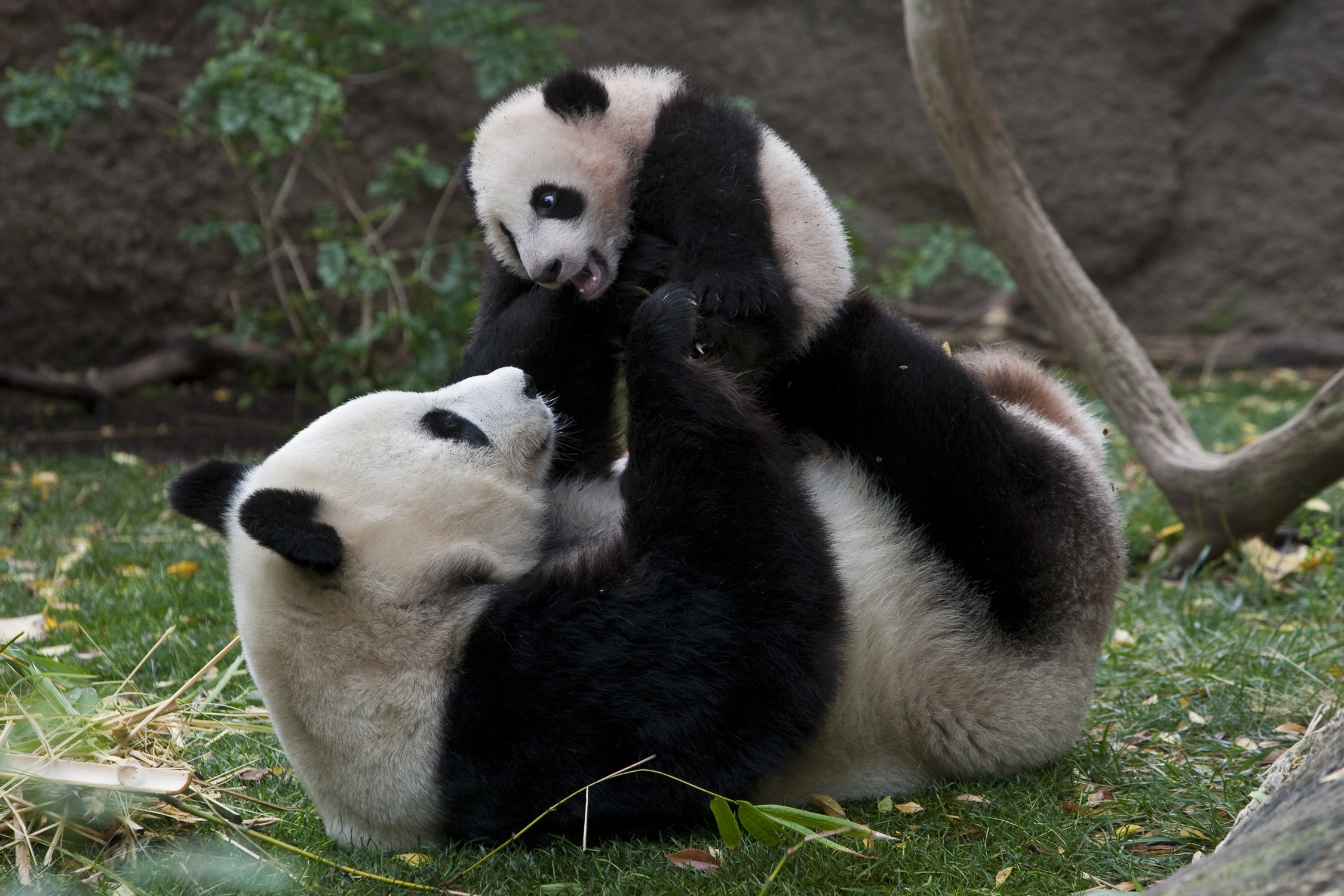
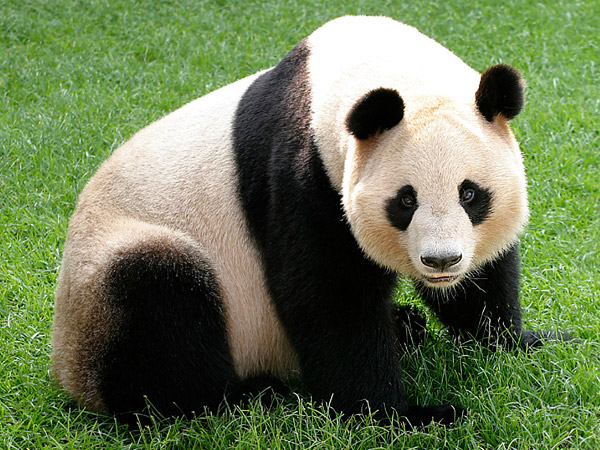 The giant panda also known as panda bear or simply panda,is a bear native to south central China. It is easily recognized by the large, distinctive black patches around its eyes, over the ears, and across its round body. The name "giant panda" is sometimes used to distinguish it from the unrelated red panda. Though it belongs to the order Carnivora, the giant panda's diet is over 99% bamboo. Giant pandas in the wild will occasionally eat other grasses, wild tubers, or even meat in the form of birds, rodents or carrion. In captivity, they may receive honey, eggs, fish, yams, shrub leaves, oranges, or bananas along with specially prepared food. The giant panda lives in a few mountain ranges in central China, mainly in Sichuan province, but also in neighbouring provinces, namely Shaanxi and Gansu.As a result of farming, deforestation, and other development, the giant panda has been driven out of the lowland areas where it once lived.The giant panda is a conservation reliant endangered species. A 2007 report shows 239 pandas living in captivity inside China and another 27 outside the country. As of December 2014, 49 giant pandas live in captivity outside China, living in 18 zoos in 13 different countries. Wild population estimates vary; one estimate shows that there are about 1,590 individuals living in the wild, while a 2006 study via DNA analysis estimated that this figure could be as high as 2,000 to 3,000. Some reports also show that the number of giant pandas in the wild is on the rise. In March 2015, Mongabay stated the wild giant panda population increased by 268, or 16.8%, totaling to 1,864 individuals. However, the IUCN does not believe there is enough certainty yet to reclassify the species from endangered to vulnerable. While the dragon has often served as China's national emblem, internationally the giant panda appears at least as commonly. As such, it is becoming widely used within China in international contexts, for example as one of the five Fuwa mascots of the Beijing Olympics. |
   |
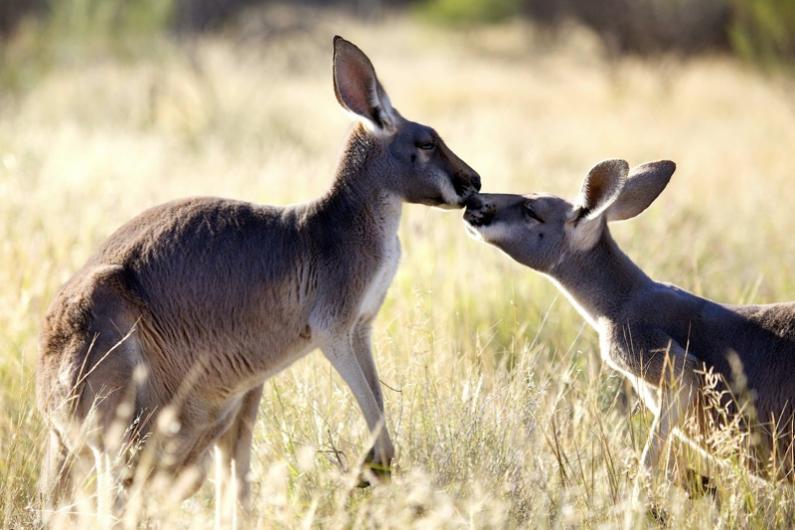
| KANGAROO | |
 |
|
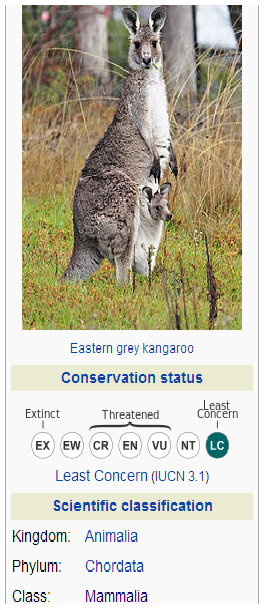
| REPROduction Usually,female kangaroos give birth to one joey at a time. Newborns weigh as little as 0.03 ounces at birth -as small as a lima bean! After birth,the joey crawls into its mother's pouch, where it will nurse and continue to grow and develop. Red kangaroo joeys do not leave the pouch for good until they are more than eight months old. Gray kangaroo joeys wait until they are almost a year old . 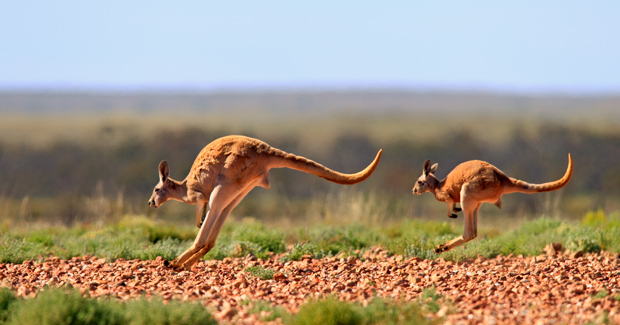 | 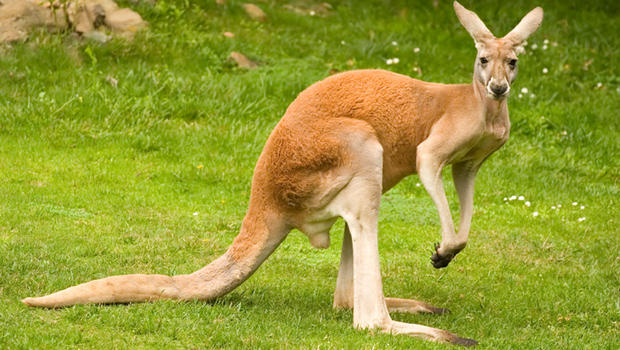 |
 |