

| |
|
|
|
|
| Teachers'
Page for "The
Marsh versus The Mall" |
 |
 |
| Introduction |
Learners |
Curriculum Standards |
Process |
Resources |
Assessment |
Conclusion |
|
This lesson was
developed as part of a course called Weaving Webs for Education. It is
designed to accompany our third grade science
curriculum at Heathwood
Hall Episcopal School. Lower School students in grades one through
four study the "Habitats of Heathwood," beginning with the pond in
first grade, the forest in second, the wetlands in third, and the river
in fourth. Our campus, which is located near the Congaree River
in Columbia, South Carolina, includes or is close to all four habitats.
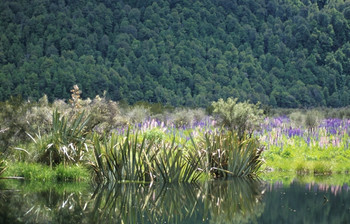
In this WebQuest, students play the roles of experts preparing a panel discussion for a town meeting on whether a mall should be built in a wetland area. "The Marsh versus The Mall" is designed to help students understand and discuss the importance of wetlands. Wetlands play many roles in our environment, including providing habitat for a wide variety of animals and plants, cleaning the water, controlling flooding, and providing recreational opportunities. |
|
Learners
This lesson could be
used by third graders or older students at any
point in a study of wetlands. The process includes background readings
for the entire group on what wetlands are and what types of wetlands
exist. Students need to know how to take notes on their
reading and write a presentation in script form.
|
|
This lesson addresses curriculum standards in science and language arts. Students will learn
about the types of wetlands, the functions of wetlands, animals and
plants that live in wetlands, and recreational and education
opportunities afforded by wetlands. Students will use research and
note taking skills. They will be required to use teamwork and
decision making skills in writing the presentation. They will be
including not only facts about the importance of wetlands, but forming
their own conclusions as well. In addition, presentation of their panel
discussions will require the students to use oral communication skills. For a list of third grade standards addressed by this lesson, click
on South
Carolina standards.
|
|
Process
For this lesson, the class will be divided into teams of four. As a team, each group of four will read and take notes on the web sites that provide background information. They will then look at the choices for roles to play, and each student will choose an area of expertise (animals, plants, water, recreation). Individually, the students will read the questions on their own "Expert's Page" and read relevant information on the web sites listed. They will take notes on their reading and write a paragraph to answer each of the questions on their page. When the research is completed, the students will work as a team to write a script for a panel discussion on the importance of wetlands. The teams will present the panel discussions in class. Our third graders have a 45-minute technology class each week. This lesson would take several class periods since it involves quite a bit of reading and note taking. The presentations can be written in class without computers. |
|
This WebQuest was designed so
additional resources would not be needed, other than paper and pencil
for note taking. Should you want your students
to take notes on the
computer rather than on paper, Kildeer Countryside Virtual Wetlands
Preserve has a lesson
for students on how to use Simple Text for note taking. The Environmental Protection Agency's annotated reading list includes books for students from pre-kindergarten through grade 12. |
|
Students will be assessed on group work and individual work
in several areas. • Click on group rubric to see the standards on which the team will be assessed. • Click on individual rubric to see the standards on which each team member will be assessed. |
|
"The Marsh versus The Mall" gives students a chance to learn about
wetlands individually and in groups, to work together, to conduct
research, to take notes, and to synthesize the information they have
gathered in a presentation. The lesson should also give students a new
appreciation and concern for the intricate ecosystems of the wetlands.
|
| |
|
|
|
|