
|
| HOME | FRANCE | CHINA | KOREA |
| KOREA |
 |  |
 |
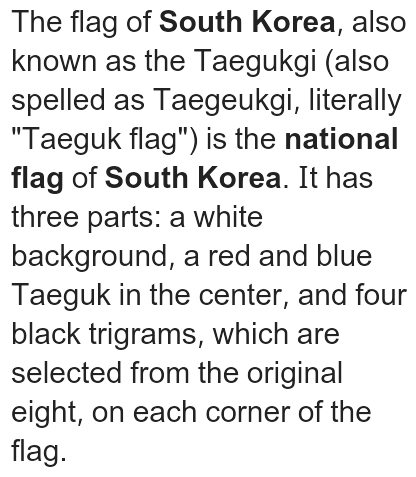
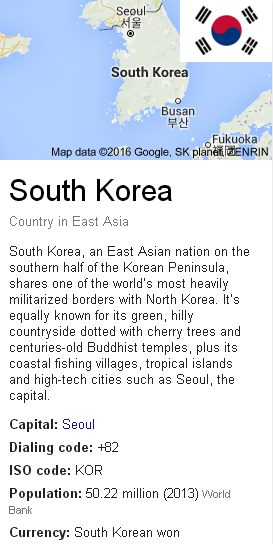
| Korea, called Hanguk (Korean: 한국; Hanja: 韓國) or Daehan (Korean: 대한;Hanja: 大韓) in South Korea and Chosŏn (Korean: 조선; Hanja: 朝鮮) in North Korea, is an East Asian territory that is divided into two distinct sovereign states: North Korea, formally the Democratic People's Republic of Korea (DPRK), and South Korea, formally the Republic of Korea (ROK). |
 | 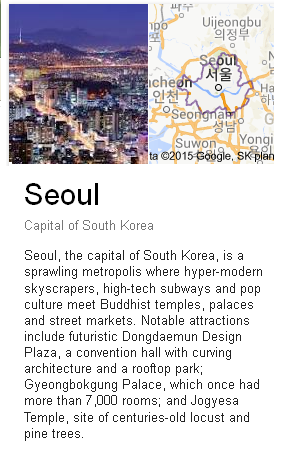 |  |
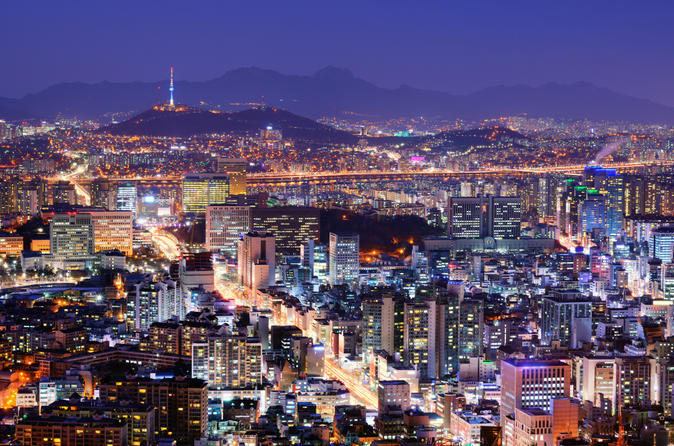
SEOUL 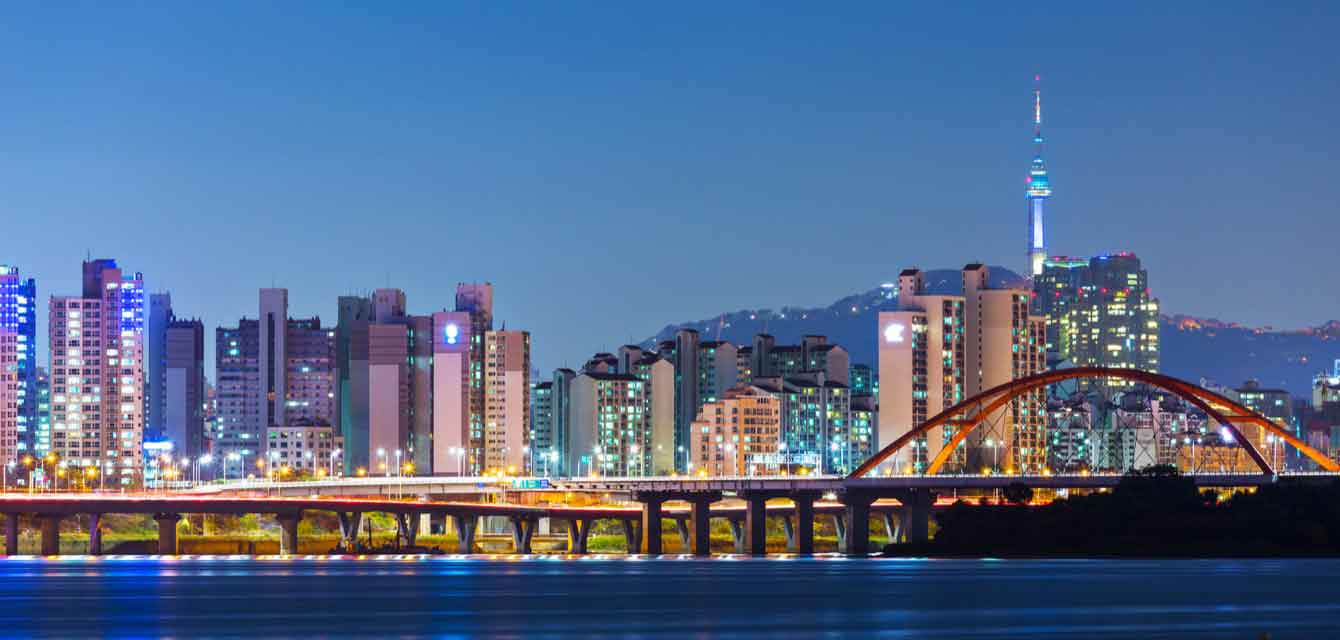 | Seoul (서울; Korean) officially the Seoul Special City – is the capital and largest metropolis of South Korea, forming the heart of the Seoul Capital Area, which includes the surrounding Incheon metropolis and Gyeonggi province, the world's 14th largest city and fourth largest metropolitan area with over 25.6 million people.[5] It is home to over half of all South Koreans along with 678,102 international residents. |
NAMSAN SEOUL TOWER 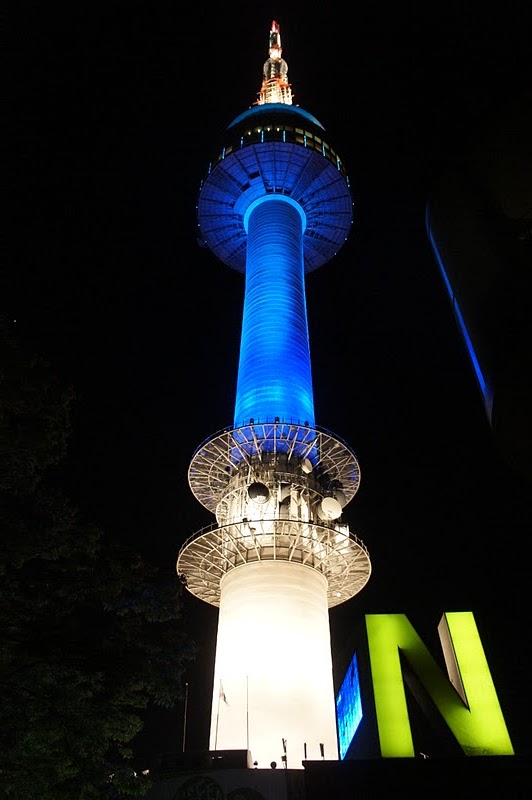 | THE NAME The N Seoul Tower (Hangul: N서울타워),
officially the YTN Seoul Tower and commonly known as the Namsan Tower or
Seoul Tower, is a communication and observation tower located on Namsan
Mountain in central Seoul, South Korea. At 236m, it marks the highest point in
Seoul. Built in 1971, the N Seoul Tower is Korea's first general radio wave
tower, providing TV and radio broadcasting in Seoul. Currently, the tower
broadcasts signals for Korean media outlets, such as KBS, MBC and SBS | NAMSAN'S HISTORY Built in
1969, and at a cost of approximately 2.5 million USD, the tower was opened to
the public in 1980. Seoul Tower was completed on December 3, 1971, designed by
architects at Jangjongryul though at the time the facility interior was not
furnished. It took until August 1975, for the third floor of the observatory
deck, museum, open hall, souvenir shop, in addition to bring the other
facilities to completion. Since then,
the tower has been a landmark of Seoul. Tower elevation ranges from 236.7 m
(777 ft) at the base to 479.7 m (1,574 ft) above sea level. Seoul Tower had its
name changed to N Seoul Tower in 2005 whereas the "N" stands for
'new', 'Namsan', and 'nature.' Approximately 15 billion KRW was spent in
renovating and remodeling the tower. |
FLOORS AND AMENITIES Plaza P0/B1 (Lobby): Entrance to Observatory,
Information Desk, Alive Museum, Cafe, Children's Theater, Nursing roomPlaza P1 :Ticket booth, Food Court, Light Garden, Grass Terrace, Souvenir Shop, Characters & Photos Plaza P2 :Restaurant, Roof Terrace, Cafe Tower T1 :Korean Restaurant "Hancook" Tower T2 :Analogue Observatory, The Wishing Pond, Sky Restroom, Sky Coffee, Photo Studio Tower T3 :Digital Observatory, Shocking Edge and Digital High-powered Telescope , Gift shop Tower T5 :A revolving restaurant | THE ATTRACTIONS Many
visitors ride the Namsan cable car up the Mt. Namsan to walk to the tower. The
tower is renowned as a national landmark, and for its cityscape. The 236.7 m
(777 ft) tower sits on the Namsan mountain (243m or 797 ft). It attracts
thousands of tourists and locals every year, especially during nighttime when
the tower lights up. Photographers enjoy the panoramic view the tower offers.
Each year, approximately 8.4 million visit the N Seoul Tower, which is
surrounded by many other attractions South Korea offers, including Namsan Park
and Namsangol Hanok Village. |
LOVE LOCK A love lock or love padlock is a padlock which sweethearts lock to a bridge, fence, gate, or similar public fixture to symbolize their love.Typically
the sweethearts' names or initials are inscribed on the padlock, and
its key is thrown away to symbolize unbreakable love. Since the 2000s,
love locks have proliferated at an increasing number of locations
worldwide. They are now mostly treated by municipal authorities as
litter or vandalism, and there is some cost to their removal. However,
there are authorities who embrace them, and who use them as fundraising
projects or tourism attractions. |  |