 |
 |
 |
 |
 |
  |
 |
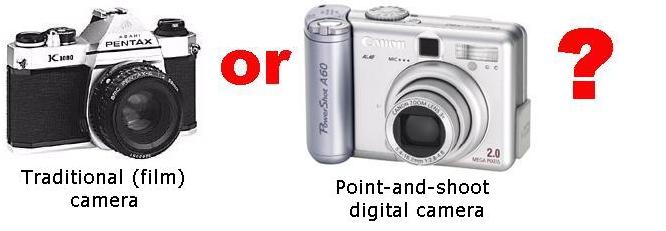
Traditional (Film) PhotographyHow Traditional Photography WorksMost traditional photography uses 35mm film. Certain types of cameras, such as view cameras, has negatives (film) as big as 5 x 7 inches. However, both these sizes of film work the same way. The film is made out of plastic, and one side is coated with an emulsion. The emulsion contains tiny, light-sensitive silver halide crystals. The lens of the camera lets light in, and when the shutter button is pressed, it exposes the film. The longer the shutter is open, the more light will be exposed to the film. The crystals then change color depending on the amount of light they are exposed to. Making Traditional PrintsThe negatives are treated with chemicals, which include stop bath, developer, and fixer. Then all the negatives are directly printed onto a single sheet of paper, called a contact sheet. Then the individual negative is enlarged and exposed onto the paper, and the paper is treated with the three chemicals. Finally, the print is washed and dried. To have this process done, the negatives can be taken to a local or home darkroom to be processed by the photographer, or they can be taken to a drugstore or photo lab to be printed and picked up later. It may take anywhere from 1 hour to two weeks for the photos to be printed from a drugstore, depending on the type of film. Black and white film, and sizes other than 35mm will take about two weeks, while standard 35mm color processing can be done in an hour with an all-in-one photo lab. It will cost about $7 to $12 for a standard roll of 35mm color film to be printed at a drugstore or photo lab. |