 |
 |
 |
 |
 |
  |
 |
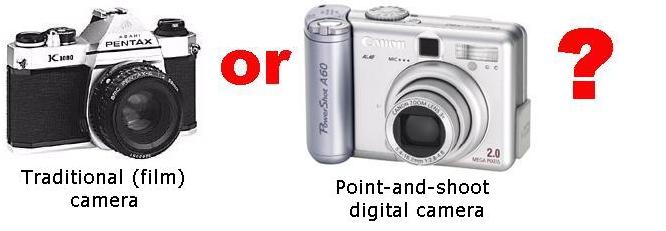
Digital PhotographyHow Digital Photography WorksA digital camera has charge-coupled devices (CCD) instead of film. The CCDs have tiny resistors that act as sampling points. The more CCD cells, the better the image quality, or resolution. When the shutter button is pressed, light reflects from the subject to the CCDs. This creates electrical impulses which immediately generate binary code based on the amount of light and stores the code in the camera's memory. Red, blue, and green filters produce color. The light from the color hits the CCD cells and using an ADC (Analog to Digital Converter) it creates more binary code. Afterward, this data is usually compressed, or the file is made smaller while quality is decreased, by the camera. Whether the data is compressed or not usually depends on the digital camera.Printing Digital PhotosThere are two main options for processing digital photos. The photographer can take the camera's memory card to a drugstore, plug in the card, and select which photos to print. The photos can be picked up a few hours later, after they are printed. The card could also be plugged into a home PC, and the photos will be transfered. After they have been transfered, they can be edited or put on the web. The photos can also be printed with a home printer, but this usually yields low quality results. |