Painting with Oil Paint
Tools
Techniques
What is oil painting?
Oil paint is a dry pigment mixed with linseed oil. Linseed oil is an oil that dries by oxidation. When it's dry it can't be removed.
Oil paint is thick. It comes in tubes. The paints are squeezed out onto a palette where they are mixed together with a palette knife to make the different colors.
Oil paints are slow drying, taking three days before you can put on another coat. This provides plenty of time for making corrections or fine details.
The disadvantages are that when putting two wet colors next to each other they can mix.
After a painting is thoroughly dry (three to six months), varnish is applied to protect the painting.
| Surfaces | 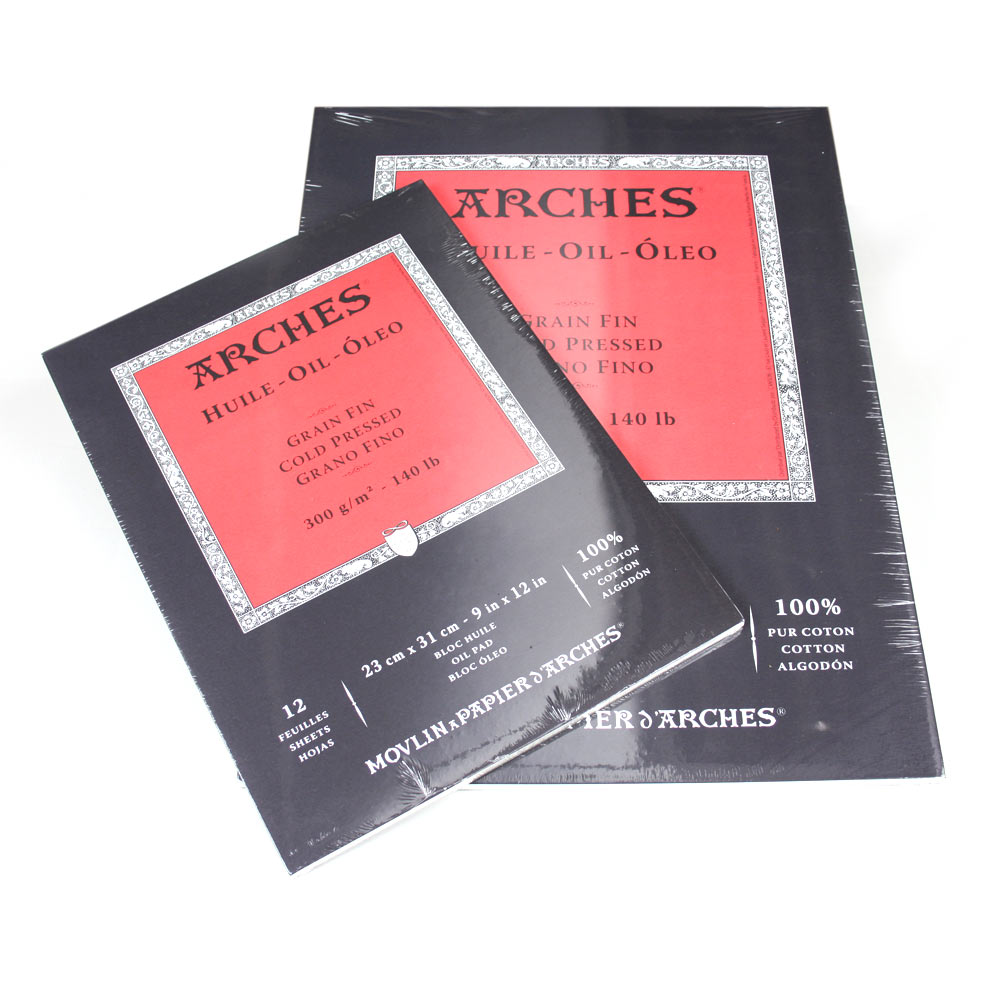 |
Just like other mediums, the surfaces available for oil paintings include paper that comes in pads and rolls as well as canvases created specifiaclly for oil paints. |
| Paint | 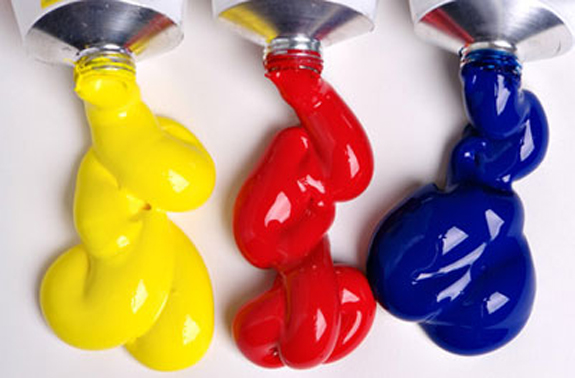 |
Oil paints are a type of paint made with natural oils such as linseed, walnut, or poppy, as the medium to bind the pigment. Most oil painters use solvents to dilute oil paint, speed up drying time, and clean their brushes. Water-soluble oil paints are formulated to be used with water rather than solvent. |
| Brushes | 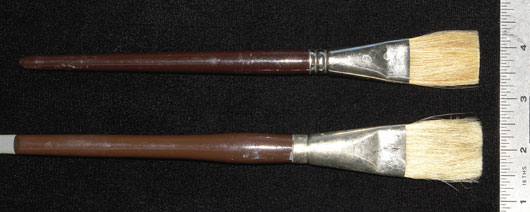 |
The brushes for oil paints are again the same shapes and sizes as watercolor and are designed for oil paints. The exception is a new brush specifically for varnish on the left. |
| Palette | 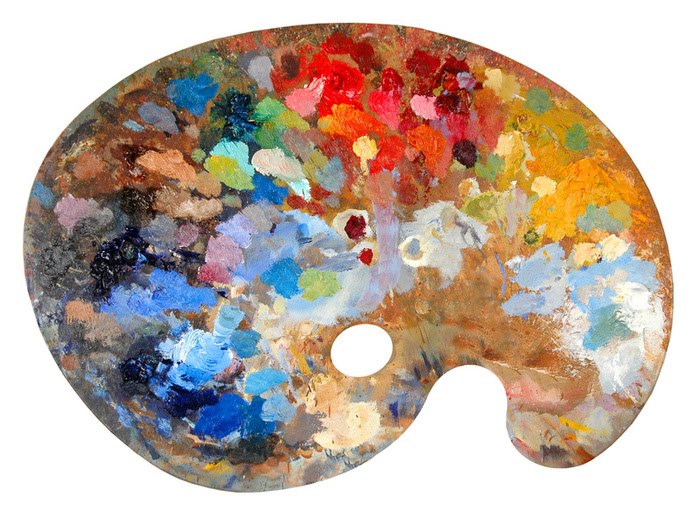 |
Most palletes used in oil painting do not differ from other mediums. The artist usually sets up the paint on a flat palette in order of hue or color. |
| Painting and palette knives | 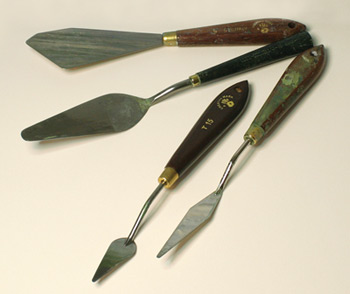 |
Used to apply varying amount of paint. The way you hold the knife, its angle to the board, the amount of paint on the blade and the direction you pull it through the paint or drag it on the surface all add to the painterly options and effects available to you. |
| Underpainting |
The traditional way to start an oil painting is using thin paint to roughly block or sketch out the main shapes, putting in details later. |
| Fat-over-lean |
THis means the more oil you have in you mixture, the more forgiving the paint will act. If you have little or no oil from adding to much solvent, the paint is less flexible in correcting mistakes. |
| Alla prima |
Italian method meaning " at the first" describes painting that is done in one session. Underpainting can be accomplished beforehand, but usually the painting is done all at once. |
| Glazing |
A traditional Renaissance method applying thin layers of unmixed color transforming the colors underneath. |
| Impasto |
Like glazing but the paint is applied thickly as to retain textures from application. |
| Knife Painting |
Can be done solely throughout the painting or in comination with brushes. Usually used to apply texture or large amounts of oil paint. |
| Scumbling |
Losely brushing thin films of color to a dry underlayer to apply gentle textures and modify color. |
Tools
Techniques