Painting with Acrylic
Tools
Techniques
What is acrylic painting?
Acrylic is an appealing medium because of its versatility. When it is watered down, acrylic paint can become thin and watery like watercolors. Acrylic paint can also be applied thickly, mimicking the appearance of oil paints. Additionally, there are several different acrylic mediums, gels and pastes that artists can add to the paint to alter the texture, sheen, consistency, and various other characteristics of the acrylic paint. This versatility allows for a wide range of expressive techniques that captivate both artists and viewers of the artwork.
| Paints | 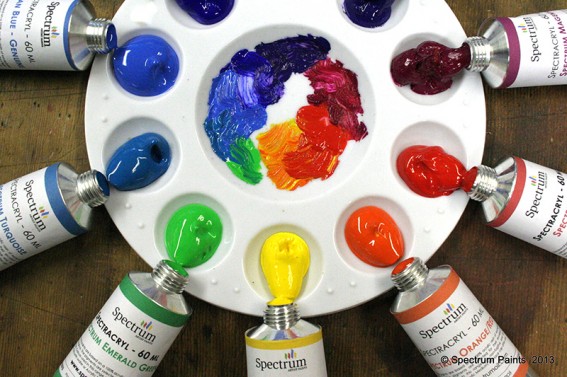 |
The brand of paint can vary from lower beginner quality to high professional grade acrylic. When chosing a paint, factors to consider are quality, color, permanence, viscosity, etc. |
|
| Brushes | 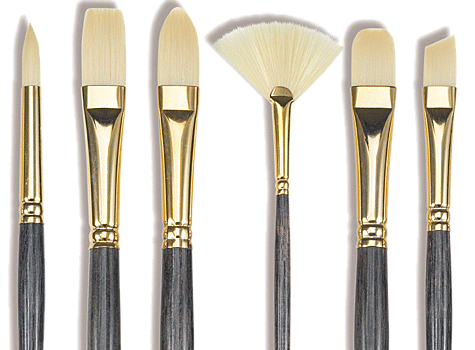 |
Acrylic brushes come in the exact same shapes and sizes as other mediums like watercolor. The uses for each brush is similar as well. |
|
| Painting Surfaces |
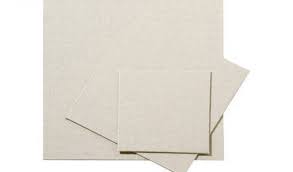
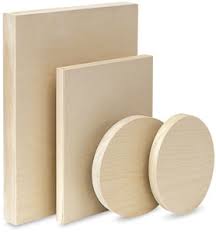 |
|
|
| Palette |  |
Palettes come in a variety of materials and shape. Glass, wood, plastic palettes come in shapes that traditional held or shapes left on the woring surface. |
|
| Other | Additional items to be used during acrylic painting are rags/papertowels, water, soap, and varnish for cleaning upafterwards. |
||
| Dry Brush |
When paint is applied to canvas or work surface using a dry brush and paint undiluted by water, you’ll create a strong current of color on the page. Your lines will be uneven, as they won’t have water to soften the edges, but this can be a purposeful painterly effect. Dry brush application lends texture and movement to lines |
| Washing |
You can treat acrylic somewhat like watercolor when you dilute the paint with enough water. You can use the watered down paint to apply translucent washes on your surface. However, unlike watercolor, the acrylic paint will set permanently. Mixing wash and dry brush methods can be very effective in creating a variety of textures in a single piece. |
| Strippling |
This is a method used in drawing which can also be used with paint (Georges Seurat’s work is a fine and famous example). Creating an assemblage of tiny dots to create imagery can be an effective way to show texture and to create a compelling scene with subtle variations in color. |
| Flicking |
Using a fairly wet brush, you can flick paint onto a work surface for an uneven splatter effect. It’s fantastic for creating an abstract landscape or a starry night or for just adding texture to a piece. |
| Dabbing |
Using a corner of a sponge or even a piece of paper towel, you can dab on accents of color. Think of it like very artistic sponge painting. Dabbing adds a lot of texture and movement to a piece. For instance, on the painting above, dabbing with a sponge perfectly captured the texture and movement of trees swaying in a light breeze. |
| Detailing |
A small, fine brush can be used to apply details, such as the whites of eyes or the glisten on the wing of a bird. In our tutorial on how to draw eyes, you’ll get a fantastic primer on detail work in acrylic, which can carry over to different subject matters. |
Tools
Techniques