 |
|
|
|
|
|
|
|
|
|
|
|
|
|
|
|
|
|
|
|
|
|
|
|
|
|
|
|
|
|
|
The Research |
|
|
|
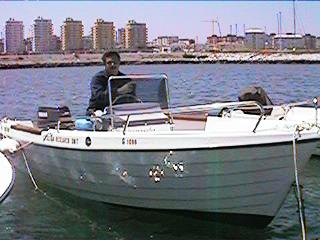
Our surveys are carried out on our 6-metre long research vessel. We believe that small craft are less intrusive when researching small cetaceans. |
|
|
|
 |
|
|
|
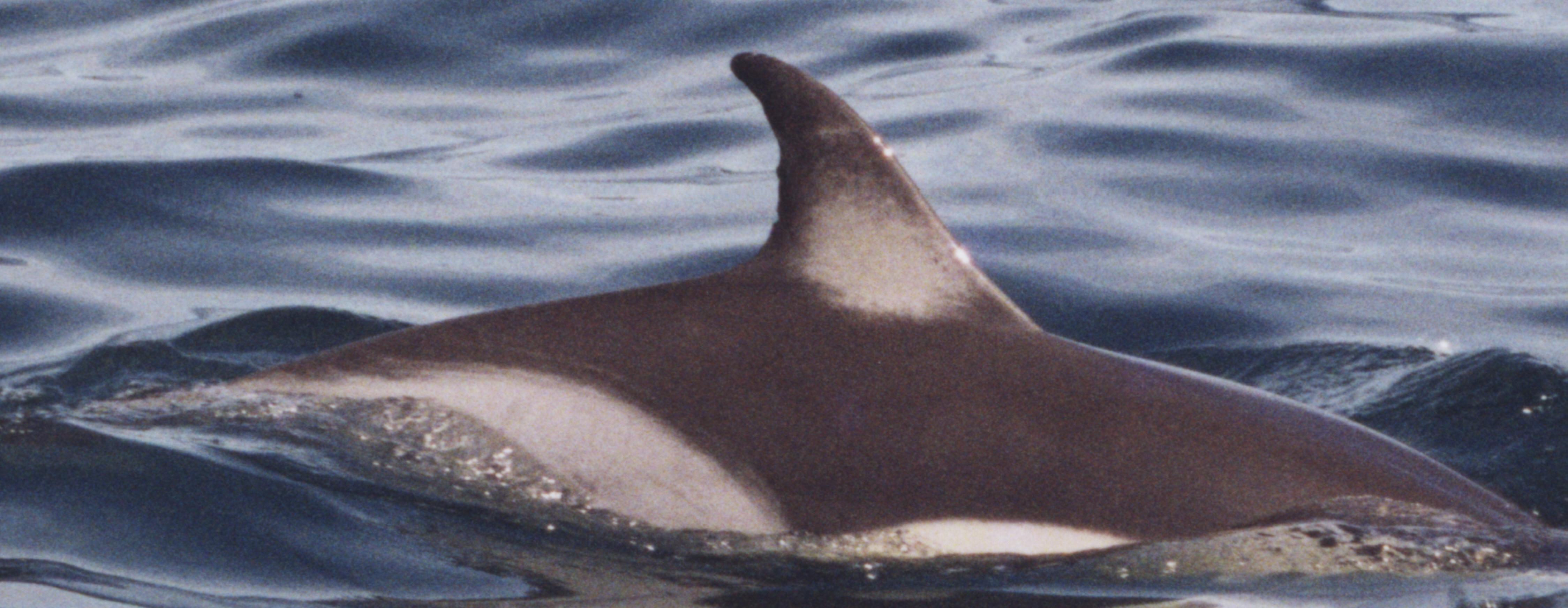
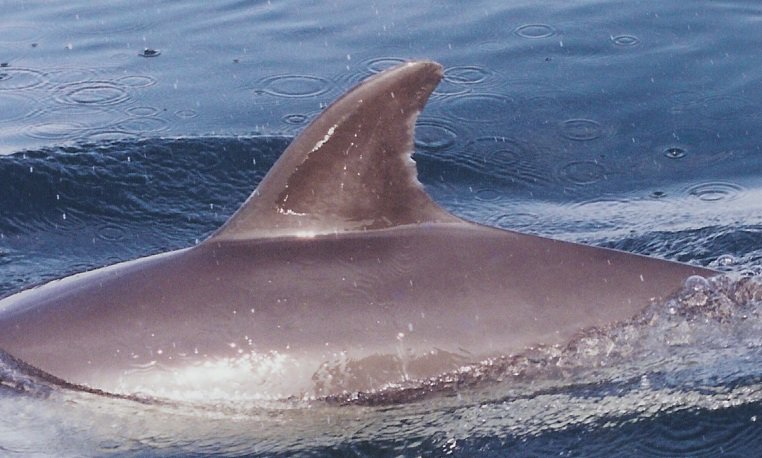
Photo-identification is used to record the animals. This is basically taking a photograph which will allow you to identify the dolphin when compared to an existing or subsequent photograph. The principal target area is the dorsal fin. The dorsal fin is quite fragile and therefore nicks and scars on this area are inevitable. This results in specific and dissimilar patterns which one could call "dolphin fingerprints". Other characteristics, like markings or scars on the body, can also aid identification. |
|
|
|
 |
|
|
|
Once we have a good photograph of an animal we assign it a name and number and record when we saw it, what it was doing and who it was with. If we are lucky enough to encounter the dolphin again, we can start building a picture of how it lives its life. Repeated sightings of an individual can give us information on the areas it likes to frequent and why, and also the company it likes to keep.
In the Bay of Gibraltar it is important for us to know if the animals using the bay are the same ones (resident) or if the bay is used randomly by animals passing through (transient). If the dolphins are resident we are in a position to note how healthy the population is and the reproductive success of the group or groups. |
|
|
|
 |
|
|
|
Home |
|
|
|
Who we are |
|
|
|
|
Common Dolphins |
|
|
|
|
|
Striped Dolphins |
|
|
|
|
|
|
|
|
|
|
|
|
Bottlenose Dolphins |
|
|
|
Photo Gallery |
|
|
|
|
Encounter |
|
|
|
|
|
|