
SAKE-RICE WINE
SAKE? Is that salmon in Japanese? The answer is YES and NO. Both Salmon and rice wine are written as SAKE in alphabet. However, Salmon is pronounced as SHAKE; Rice wine is pronounced as SAKE [sah keh']. The LEGAL name of Sake is Seishu. The following contents is a generally introduce you to SAKE(RICE WINE)'s Type and its offical grades in Japan.
SAKE's TYPES

Jummai-shu (Pure rice sake)
This rice wine is only used rice and water as ingredients without additionals of alcohol, sugar or anything else. Under the US tax law, only Jummai-shu (pure rice wine) can be imported. This type of sake is also brewed in California (such as Ozeki.) It's the most natural rice wine.
Ginjo-zukuri (Special brewed sake)
This ginjo sake is always severed as ice-cold. All other types of sake have been fermented at 20C(68F) in the final step of fermentation. But, Ginjo ferment very slow at low temperatures(10C or 50F) and it only use at least 60% polished rice. It is usually light-bodied and the quantities of its production are smaller than others. Professional tasters are unaninous in regarding it as ultimate achievement of the brew's art. In North America, it's often labeled as draft sake (sush as Haku-yama and gekkikan draft). Its alcohol precentage is about 16% as other sakes.
Honjo-zo (Regular brewed sake)
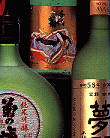
This sake is added less than 120 liters of 100% raw alcohol to each metric ton of white rice during the brewing process. Because it's rich taste, most Japanese consumers prefer this type of sake-- Honjo-zo. It's also called Hon-zukuri or Honjo-zukuri.
The Official Grades of Sake
The most general classification of sakes is the system of grading adminstered by the eleven regional officers of the Central Advisory Committee on Alcohol Beverages.This committee is an part of the National Tax Addiministration Agency of the Treasury Ministry, which is responsible for regulating the industry as well as for colletcing taxes on sake. Under this system, sakes produced in Japan are classified into three ranks: TOKKYU (Special Class), IKKYU (First Class), NIKYU (Second Class).
However, this grading system is based on same type of sake or same brewing techniques. A sake with Ginjo-zukuri on its label, even if it is graded Second Class, is almost certainly equal in quality to most sake labeled Special Class.
Sake Tasting and Heating
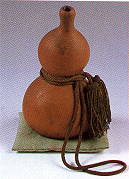
Tasting sake is not different as tasting wine: Look, Smell, Taste. However, Sake don't have AGE. The most recent sake is the best. If you have AGED sake, take it to the museum. Two basic tasting terms are AMAKUCHI (Sweet) and KARAKUCHI (Dry). The alcohol is lighter than the water while glucose is heavier. Water is given a value of "+" or "-". This value defines sake's dryness or sweetness. For exmaple +2 of sake meter value, indicates less residual sugar and thus a drier sake.
Sake can be served as warm or ice-cold except Ginjo-zukuri (always serve it as ice-cold). How to warm sake? Three ways:
1. NURUKAN (Lukewarm)
brings the sake's temperture to 40C (104F). This is the traditional formula. If you drink slowly, you may find NURUKAN disagreeable, it quickly cools. Re-heatings become a headache.
2. KAN (Warm)
between 40C and 50C (104F and 155F). This is the standard way of ordering sake in today's Japan. At this temperature the taste of the sake is preferable even after they have cooled.
3.ASTUKAN (Hot)
within the range of 55C to 60C (131F to 140F). It's the Standard way to serve sake in North Amarica. The hot sake is really good for the winter time.
Sake Cocktails
Red Sun
Mix 1 ounce sake to 2 ounce tomato Juice. Stir. Serve over ice with garnish of parsley.
Sake Screwdriver
Place two or three ice cubes in a glass. Cover the ice with Sake. Fill to top with orange juice. Add an orange twist. Stir well and serve.
Sake Martini
Mix 1 part dry sake with 1 part dry gin. Pour over crashed ice. Shake. Strain and serve with olive.
Sake Sour
Place two or three ice cubes in a glass. Cover the ice with sake. Fill to top with soda water. Serve with cherry and silced lemon.
Sake Manhattan
Mix 1 part dry sake with 2 parts rye whiskey. Add ice. Stir. Strain and serve with cherry in coctail glass.
**Refference :
Book: Sake (A Dinner's Guide) By Hiroshi Kondo ISBN 4-7700-1654-9