Presumably since you have clicked on this link it's because you're just getting started with learning the bass, or you don't have a bass yet and you want one. Well then you're starting at the right place. In this section I'll explain a few things that everyone should take into consideration and be aware of when considering the purchase of not only a bass, but any musical instrument.
The first thing to consider when considering the purchase of any musical instrument is: can I afford it? You don't want to get stuck paying for a bass that cost you $1500 and then you decided you didnt like bass anymore and you have no use for it and are stuck trying to unload it. On the other hand, you don't want to buy a bass for $200 that gives you crap sound and is of poor quality. What you need to look for is a bass that will suit your needs. Here's a couple things to consider:
Let's face it on this one: if you aren't going to play it often then why are you even buying it? If you have no intention of learning to play it then you should forget about this purchase. If you plan on playing it maybe only once a week then stop, and go do something else and scrap your plans.
However, maybe really want to learn and get good at it and you plan on playing 'til your finger bleed everyday. If this is the case then you really should look for quality over anything else. Forking out $1000 for a bass is not uncommon, after all, you can spend between $150 dollars for a whole starter kit that includes a bass, a small amp, a patch cord and a bag, or spend all the way to around $10000 for a custom bass. You could even wind up spending more than that. So if you're planning to play often, a good starting bass would probably cost you around $500 dollars, or a good full-time bass would probably cost you about $1000.
Is this a long term investment or is it going to be something you buy and then realize bass just wasn't for you? If you plan on keeping up this hobby you may want to consider a more expensive bass, ie. $1000. After all, if you buy a $500 bass and you have the intention of keeping up with playing you're just going to wind up wanting a newer, more expensive one before long. If however, you're buying with the intention of seeing how you like it, then go for less expensive bass, if you wind up enjoying playing then you can always buy another bass. If though, you buy an expensive one at the start and stop playing, then you've wasted a lot of money.
If you're just planning on playing in your room for the rest of your life then you won't need anything too expensive, just something that gives reasonably good sound. $500 will do the trick for that. If though, you and plan on joining your friend's band as soon as you know how to play, then maybe you should be looking at something with a higher price tag. $700 would be a minimum, just don't aim to high. In the business of buying a bass, the price can generally be equated to the quality. You don't get something for nothing.
Well that's a very important thing to consider. If you don't have $1000 you can't buy a $1000 bass. Be sure not to buy something that you can't afford. Be sure not to get sucked in by a smooth talking salesperson who is only thinking about his comission. Also you should be wary of pay by the month deals, they're usually a rip-off.
This question goes hand in hand with pretty musch all the other questions. Do you plan on playing it? Yes? Then maybe this bass will have to last a while. Is it going to be used for more than just casual playing? If so then you have to make sure that your bass is road tough and durable, something that won't get banged up in transporting it from show to show. How much can I afford? If you can't afford a good bass then don't expect to get a bass that will last too long.
Now that you've answered these question you should have a good idea in what price range your bass will fall into. Be sure to shop around and not just buy the first bass you see, try the basses out, and ask questions. Find a store where you can trust the salespeople.
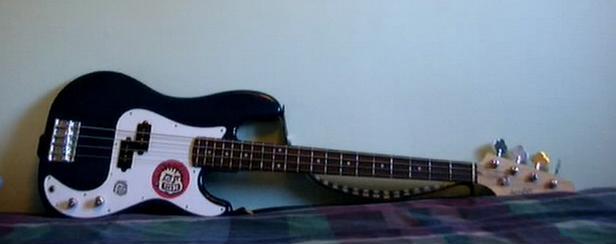
Now buying a bass isn't the only thing you have to buy. You need to get this bass to make sound. To do this you need an amp. Here's what you should consider:
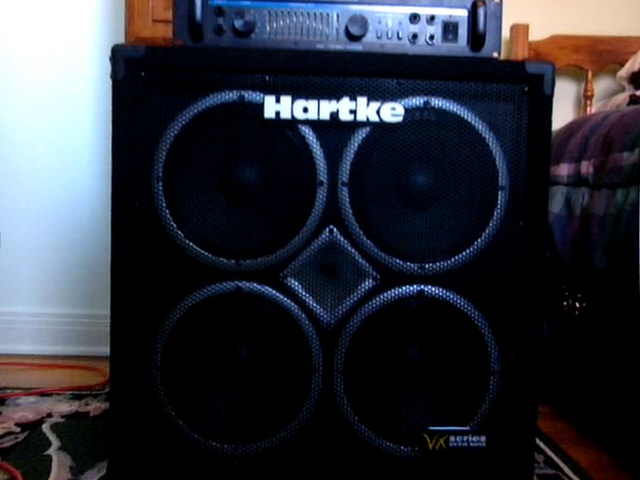
If you just plan on playing in your house then all you need is a small amp, just something that will allow you to hear yourself. A small bass amp combo with 30 watts RMS will do the trick for you.Small combo amps start at around $100. If though, you plan on playing house shows or small club shows, you should consider an amp with more power. A 150 watt RMS combo would be what you're looking for probably. It is important that you don't get an amp that's so big you never have the chance to use it. A small amp is good for practicing but be aware that a larger one may be required if you plan on playing shows. While a small amp may only cost you $150, a good amp with clean sound for shows may cost you $1000 or more. Amps can go all the way up into the several thousands of dollars.
As a general rule, if you have to turn your amp up more than halfway to get sufficient volume, you need more power. Clean bass requires lots of headroom, so make sure you've got enough power to handle the gigs you play. If you don't plan on playing any gigs though, then just make sure your amp doesn't piss your parents or neighbours off.
Well this question is something you really only need to ask yourself if you plan on travelling with it. Most amps are built to last through years of on the road abuse these days, but it doesn't hurt to ask around. You don't want to buy an amp and then in a few months find out that it's a piece of garbage that keeps breaking or giving static feedback.
Most stores will let you try the amp in-store, but let's face it, music stores aren't real-world sonic environments. You are probably going to want to try the amp where you plan on playing it. However, if you just plan on playing at your house, trying the amp at the store is probably enough. If you plan on using it for shows and the store won't let you try it out at one, then go shop somewhere else. You may have to make a deposit or provide some other form of security, but that's a small price to pay when you're pondering a major purchase.
Once again this question arises, and the answer is the same as for buying a bass. If you can't afford it, you can't buy it. And once agin beware of pay by the month deals and shifty salespeople.
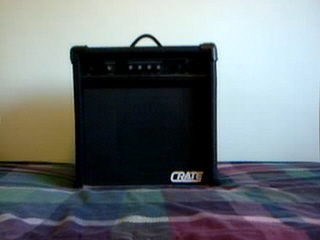 30 watts RMS Crate Combo. |
 |