|
|
|
Canoeing Terms, Choosing a Canoe and Paddles
The Canoe: Parts of a Canoe:
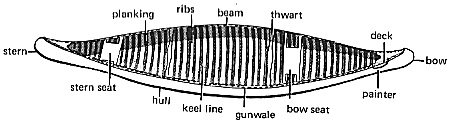
Figure 1: Parts of a Canoe
It is important to know the different parts of the canoe. Here is a list of the more important parts, and what they do. Stern - the rear end of the canoe Stern Seat - where the sternman sits Beam - the widest part of the canoe Bow - the front of the canoe Painter - short ropes on the stern and bow of the canoe Bow Seat - Where the bowman sits. Gunwale - The railing that runs around the top of the canoe
Terms:
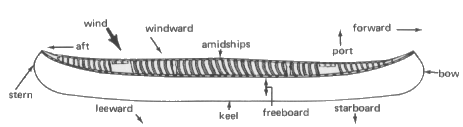
Figure 2 - Canoeing Terms
Aft - towards the stern Forward - towards the bow Amidships - the center of the Starboard - the right side of the canoe (when facing forwards) Port - the left side of the canoe (when facing forwards) Keel - the bottom of the canoe Freeboard - the distance between the waterline and the lowest point of the gunwale Windward - the side of the canoe facing into the wind Leeward - the side of the canoe facing away from the wind
Choosing a canoe Choosing a canoe can be more difficult then it seems. You have to choose a canoe with an appropriate length, width (beam) and depth for the activities you choose. Add to this the different materials that canoes can be made from (wood, metal, canvas, plastic, fiberglass, Kevlar and birch bark) and things become downright confusing. Here are some tips on picking a canoe: Pick a purpose - You have to know what you plan on using the canoe for, before you can pick an appropriate canoe. A wide, medium-length canoe is good for general use. Short, narrow canoes are good for white water. Long, wide canoes are good for long trips across gentle water. Length - canoes range from 3m (10 feet) to over 8m (26 feet). The average 2-man canoe usually runs between 3 and 5 meters (10 to 17 feet). Shorter canoes are good for day trips, whereas longer canoes are good for extended trips. Shorter canoes are also more maneuverable, which makes them appropriate for river and whitewater use. Width (beam) - Canoes tend to get wider as they get longer, but for every length of canoe there is a range of widths. For example the average 4m (14 foot) canoe is available in widths from 80cm to 1m (32 to 38 inches). Wider canoes will be more stable, but less maneuverable, then narrower canoes. Keel Depth - How deep a canoe sits in the water will affect stability and the use of the canoe. Canoes that have a deep keel depth will be more stable, but cannot be used in shallow waters. Materials - Canoes are made of many different materials. Older canoes are made of wood, metal, or canvas with a wood frame. Today these types of canoes should be avoided. They tend to be much heavier then more modern materials, and can be difficult to maintain. Plastic is a good choice for a canoe that'll be used by kids. The plastic can take a fair beating, is cheap, and is easy to maintain. However, plastic canoes tent to be heavy, and the plastic can degrade due to UV exposure. Fiberglass is a good balance between weight, strength and cost. Like plastic, fiberglass will degrade due to UV exposure. However, this can be avoided with proper maintenance. Kevlar is the lightest and strongest material available. However, it is also the most expensive. A good choice for the serious canoeist, but too expensive for the average Joe. In the past canoes were made from birch bark. If you happen to come into possession of one of these hold onto it! These are very rare, and worth a lot of $$$.
Paddles:
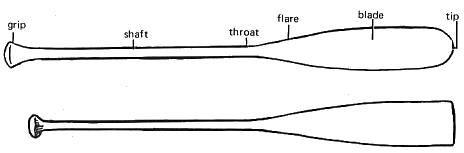
Figure 3 - Parts and types of paddles. Think picking a paddle is easy? If you do your wrong! Picking a proper paddle can make the difference between a pleasant trip and pure hell. The first concern is the length of the paddle. If you place the grip of the paddle on the ground the top of the blade should be level with your chin. The next is the blade shape. In figure 3 you can see two blade shapes (rounded and flat). Rounded blades are good for deep water, and are more efficient. Flat paddles are better for shallow water, and are less likely to be damaged by contact with the ground. Finally you must pick an appropriate material. Two types are generally available - wood and metal with a plastic blade. Wood tends to be heavier, but is more durable. With proper care wood paddles will last far longer then metal/plastic paddles. Metal paddles with plastic blades are cheaper and lighter then wood. The shafts of these paddles can be bent, and the blades are prone to snapping. However, children will find these much easier to use due to their lighter weight.
So now that you've purchased your paddle you need to take proper care of it. Wood paddles should be lightly sanded and re varnished every year. Metal/plastic paddles require little maintenance. When using/carrying paddle DO NOT allow the blade to come into contact with the ground, as this can chip or break the blade. If you're in the canoe and you must push against the riverbed or shore grip the blade with your had, and contact the ground with the grip. This will avoid unnecessary damage to the blade. To avoid damage to the shaft and gunwales keep the paddle away from the side of the canoe when paddling.
|
This Page Copyright (2004), Knights of Dionysus
Authored by: Bryan Heit