Trip Planning Resources
Route map
Ho Chi Min City
Cat Tien National Park
Dalat
Hoi An
Bach Ma National Park
Hue
Hanoi
Lao Cai
Sapa
Cuc Phu'o'ng National Park
Tam Dao Hill Resort
Cuc Phu'o'ng National Park
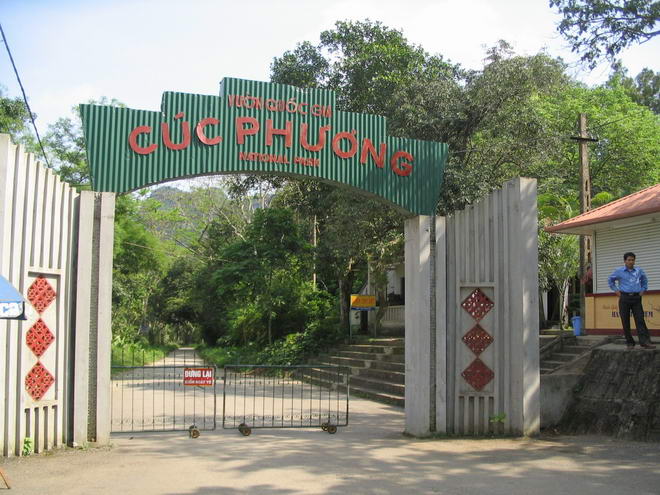
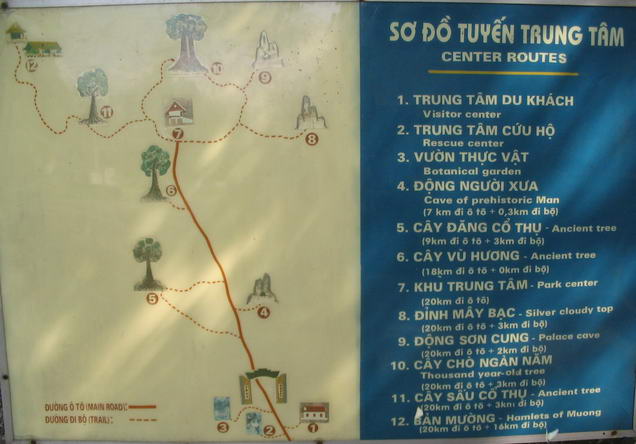
Broadly speaking, Cuc Phu’o’ng National Park can be divided into 3 sections – the area by HQ at the main gate, the area by Mac Lake and the area by Bong substation.
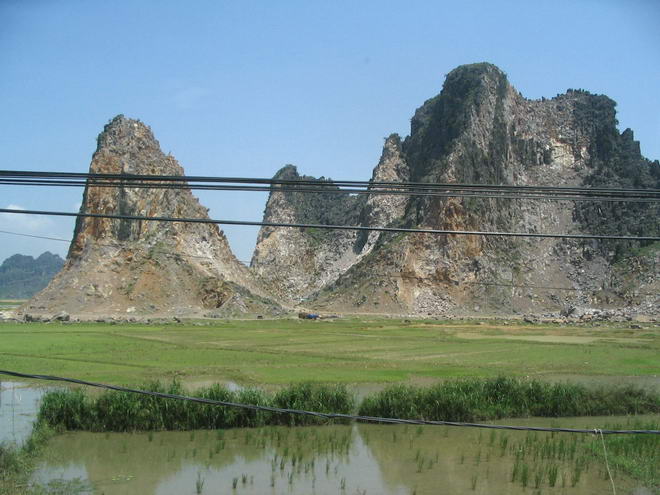
Unusual granite formations pierce skywards from the flat padi fields. Seen between Hanoi and Cuc Phu'o'ng NP.
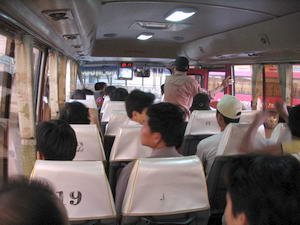 GETTING THERE :
From
GETTING THERE :
From
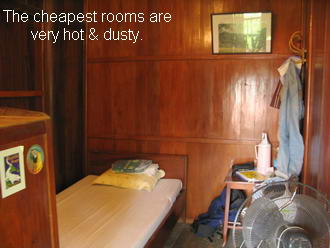

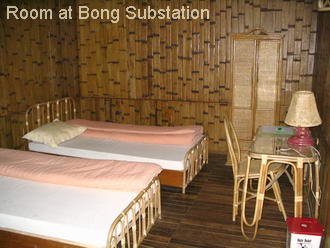
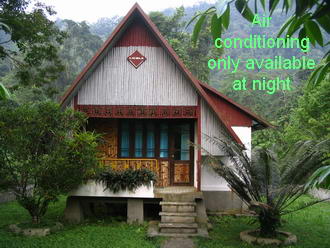
The accommodation at
BIRDING HIGHLIGHTS :
 1. Around
the Park’s HQ
1. Around
the Park’s HQ
(ie to
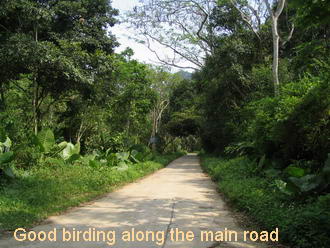
There is good birding on both sides of the tarmac road. Birds seen there include Red-Whiskered Bulbul, Crimson Sunbird, Oriental Magpie Robin, White-Rumped Sharma, Rufescent Prinia, Olive-Backed Sunbird, Brown-Cheeked Fulvetta, Hill Mynah, Black-Crested Bulbul (many), Black-Naped Monarch, Puff-Throated Babbler, Bronzed Drongo, Oriental Honey Buzzard (dark morph), Grey-Eyed Bulbul, Black Bulbul (Adult Concolor), Blue-Winged Leafbird, Common Iora, Plain Flowerpecker, Ashy Drongo (Adult Mouhoti), Grey-Capped Pygmy Woodpecker (Adult Kaleensis), Greater Racquet-Tailed Drongo, Red-Headed Trogon, Black Drongo, Scarlet-Backed Flowerpecker, Bar-Winged Flycatcher Shrike, Scarlet Minivet, Brown-Backed Needletail, Striped Tit-Babbler, Lanceolated Warbler, Sooty-Headed Bulbul (Adult Thais), Common Tailorbird, Green-Billed Malkoha, Yellow-Rumped Flycatcher, Spotted Dove, Racquet-Tailed Treepie, Arctic Warbler, Greater Coucal, Crested Serpent Eagle, White-Winged Magpie, Asian Palm Swift.
I seemed to get more species at the HQ area than up at Bong Substation. Perhaps that was because I got severe diarrhoea at Bong Substation from eating their canteen's food.
 Ask the HQ park
rangers to unlock the main gates to the Botanical Gardens for you. At a
slow
birding pace and if you keep to the path, it takes about 2 hours to
reach the
second inner set of locked gates. Birders may not go further as that is
a
protected area for deers. Do not be alarmed when the ranger locks the
main gates
behind you. If you want to bird watch all the way to the end of the
path and
back, arrange with the ranger to let you out about 4 hours
later.
Ask the HQ park
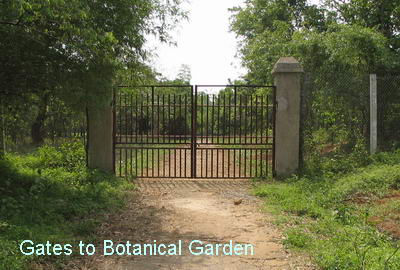
rangers to unlock the main gates to the Botanical Gardens for you. At a
slow
birding pace and if you keep to the path, it takes about 2 hours to
reach the
second inner set of locked gates. Birders may not go further as that is
a
protected area for deers. Do not be alarmed when the ranger locks the
main gates
behind you. If you want to bird watch all the way to the end of the
path and
back, arrange with the ranger to let you out about 4 hours
later.
Birds seen there include White-Bellied Yuhina (Adult Zantholeuca), White-Browed Piculet, Green-Eared Barbet, Lesser Coucal, Crow-Billed Drongo, Yellow-Bellied Prinia, Slender-Billed Oriole, Chestnut-Capped Babbler, Thick-Billed Green Pigeon, Red Junglefowl, Ruby-Cheeked Sunbird, Black Eagle, Brown Shrike, Sultan’s Tit (Adult Sultanea), Ashy Drongo, Asian Koel, Rufous Woodpecker (Adult Annamensis).
- Bong Substation
 There
are
several small paths through the forest there. As I was down with
diarrhoea
there, I was not up to finding any Pittas. As such, many of the birds
that were
seen there have already been seen at park HQ area. Birds seen include
Red-Whiskered Bulbul, White-Rumped Sharma, Asian Paradise Flycatcher,
Scaly-Crowned Babbler, Hill Mynah, Arctic Warbler, Common Tailorbird,
Olive-Backed Sunbird, Puff-Throated Bulbul, Black-Crested Bulbul, Black
Drongo,
Blue & White Flycatcher, Green-Billed Malkoha, Asian Fairy
Bluebird,
White-Tailed Flycatcher.
There
are
several small paths through the forest there. As I was down with
diarrhoea
there, I was not up to finding any Pittas. As such, many of the birds
that were
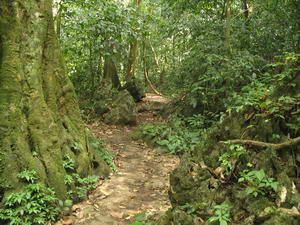
seen there have already been seen at park HQ area. Birds seen include
Red-Whiskered Bulbul, White-Rumped Sharma, Asian Paradise Flycatcher,
Scaly-Crowned Babbler, Hill Mynah, Arctic Warbler, Common Tailorbird,
Olive-Backed Sunbird, Puff-Throated Bulbul, Black-Crested Bulbul, Black
Drongo,
Blue & White Flycatcher, Green-Billed Malkoha, Asian Fairy
Bluebird,
White-Tailed Flycatcher.