WORKING KNOWLEDGE
Zara stores,
customers can always find new products—but they're in limited supply. There is
a sense of tantalizing exclusivity, since only a few items are on display even though
stores are spacious (the average size is around 1,000 square meters). A
customer thinks, "This green shirt fits me, and there is one on the rack.
If I don't buy it now, I'll lose my chance."
Such a
retail concept depends on the regular creation and rapid replenishment of small
batches of new goods. Zara's designers create approximately 40,000 new designs
annually, from which 10,000 are selected for production. Some of them resemble
the latest couture creations. But Zara often beats the high-fashion houses to
the market and offers almost the same products, made with less expensive
fabric, at much lower prices. Since most garments come in five to six colors
and five to seven sizes, Zara's system has to deal with something in the realm
of 300,000 new stock-keeping units (SKUs), on average, every year.
This
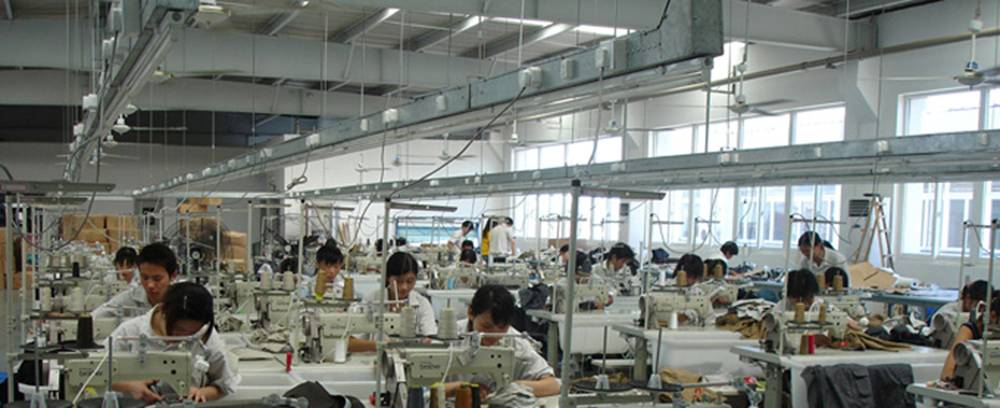
"fast fashion" system depends on a constant exchange of information
throughout every part of Zara's supply chain—from customers to store managers,
from store managers to market specialists and designers, from designers to
production staff, from buyers to subcontractors, from warehouse managers to
distributors, and so on. Most companies insert layers of bureaucracy that can
bog down communication between departments. But Zara's organization,
operational procedures, performance measures, and even its office layouts are
all designed to make information transfer easy.
BACK TO HOME INTRODUCTION Design & Visual
Merchandising