| 4 T H F O R M B |
| All year round: handy to check out at any time of the year. 1. Reference sheet to all English tenses. These are the tenses you will have to be able to use by the end of the year. 2. Before taking a test, DO NOT FORGET to read and study the GRAMMAR REFERENCE pages at the back of your book. Especially concentrate on the examples given. |
UNIT 4 (revised 2007-08) GRAMMAR In this unit we are going to practise 'modal verbs' (can / must / have to / should ) and requests. - First, let's have a look at some rules and examples: - expressing ability and permission: "can / be able to / be allowed to " - expressing advice and expectation: "should / ought to " - expressing obligation / no obligation / prohibition: "have to ", "must ", "mustn't " - Would you like to look at a "complete overview" of modal verbs? Take a closer look at the examples with "would" (requests)! - Now, let's practise: - "must, have to 1", "must, have to 2 ", "must, have to 3 ", - "mustn't, needn't", "don't have to, mustn't ", - "must, have to, should, ought to ", - "can, could, be able to" VOCABULARY Signs, notices, road signs: quiz time - "Signs in Britain ", "Road signs in Britain" (two pictures quizzes) - quiz: - "traffic signs " : how well do you know the most common traffic signs? (May be under reconstruction. If so, try again at a later date.) - "roadcode quiz " : see for yourself how well you know the roadcode and learn new English words along the way . (May be under reconstruction. If so, try again at a later date.) (Multiple choice questions. good fun to do) WORLD CULTURE AND CUSTOMS - "Good manners: how not to behave badly abroad" (=> Student's Book p.34/35) - "Reading text: vocabulary " : practise new vocabulary based on your reading text. - "International Good Manners ": fill in the name of a country or geographical area. Quiz based on your reading text. - two very short quizzes: "World culture 1 ", "World culture 2 " ----------------------------------------------------------------------------------------------------------------- TEST: English customs => First, read about "Do's and Don'ts ", "Social Customs ", "Good Manners ", "Food and Pubs " => Then, take the "English Customs: True /False quiz" based on your reading. |
UNIT 5 ON THE MOVE (revised 2007-08) GRAMMAR We are going to revise and practise 'future forms'. * Let's first have a look at the basic rules for using future forms: "future forms -general review " "future simple ", "future continuous ", "going to - future ", "future perfect " * Let's practise: - " 'will' or 'be going to' 1" - " 'will' or 'be going to' 2" - " 'simple present' or 'simple future' 1" - " 'simple present' or 'simple future' 2" - " 'simple future' or 'future continuous' 1" - " 'simple present', 'simple future', 'present continuous', 'future continuous' " and why not try your (excellent) language feeling and do this last exercise: " 'future perfect simple' of 'future perfect continuous' " VOCABULARY * Make or Do? - "make or do? 1" - "make or do? 2" ( more difficult than the first exercise) * Special holidays: test your new vocabulary from the article "My kind of holiday " (By the way, the 'Ice hotel' is situated in Montmorency Falls Park, not 'Fall' as mentioned in your book) * Everyday English (Student's Book, p.45): do the matching exercise "Travelling around " ** Have a look at the complete "underground map of London ". Can you find the Piccadilly Line? |

UNIT 6: I JUST LOVE IT (revised 2007-08) Grammar: INFINITIVE + TO/-TO <=> or ING-form 1. Let's first look at the rules: - what is a "gerund" ( = -ing form of the verb)? - when do we use a gerund? a) "gerund after prepositions" b) "gerund after certain verbs" c) "gerund or infinitive + difference in meaning" (Study the examples carefully) 2. Now let's practise: a) "gerund or infinitive A" b) "gerund or infinitive B" e) "gerund or infinitive + change of meaning" (remember / try) f) "used to / be used to A" g) "used to / be used to B" Vocabulary 1) The reading text is about one of the most poplar fast foods in the world: the pizza. Do the following exercise and test your new vocabulary and how well you know your reading text of => "The Global Pizza " 2) This reading text also seems like a good idea to test some of your food vocabulary. a) Let's start with a short test on "what kind of food is it?" b) "Can you cook pasta?" c) "English food quiz" Sometimes more than one alternative is correct. If you don't understand a word, search the available online dictionary. 3) Practise your phrasal verbs (see WB ex. 10) "Phrasal verbs + object " |
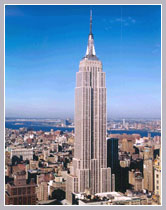
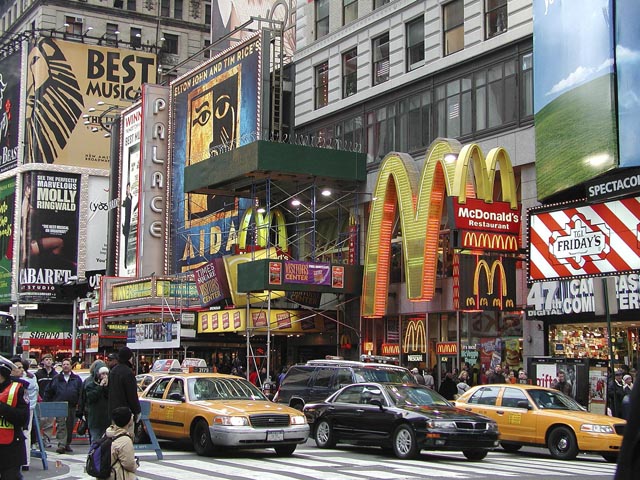
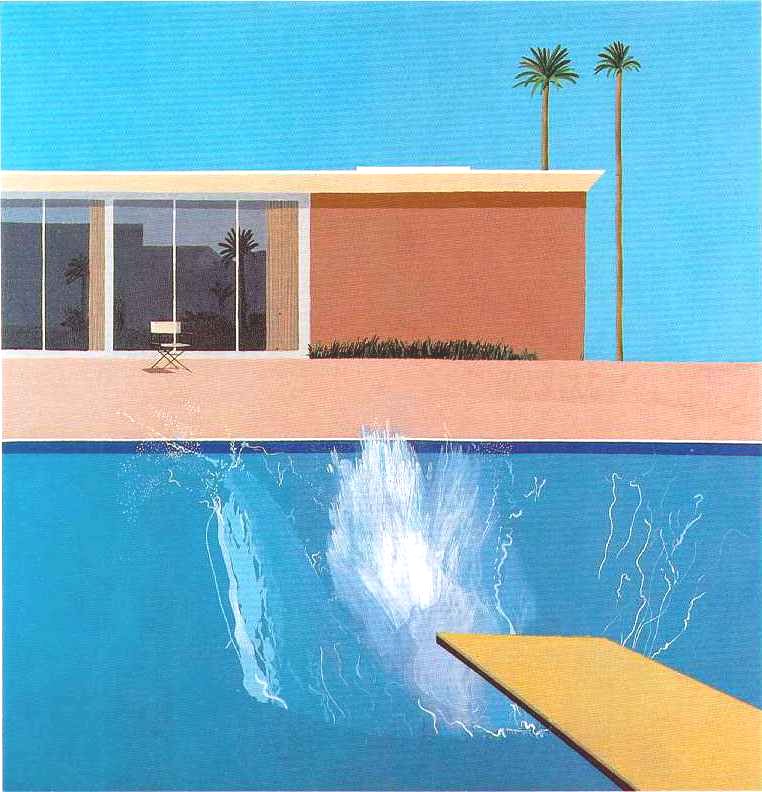
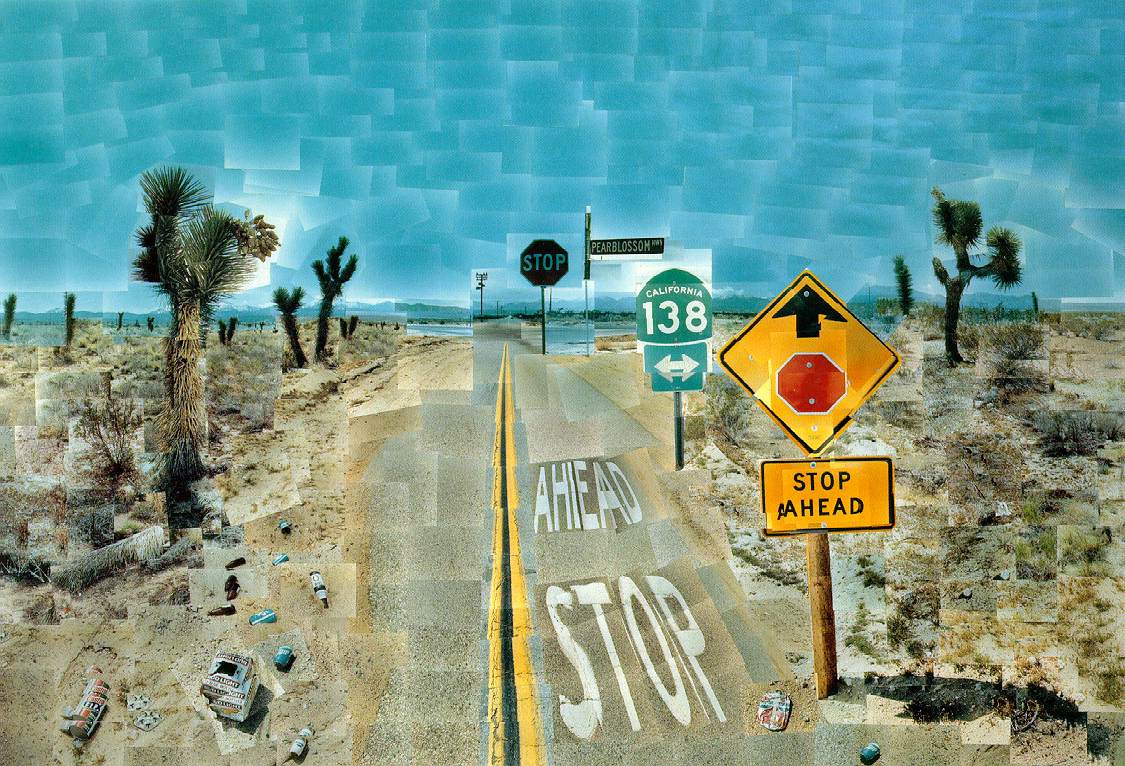
Unit 7 THE WORLD OF WORK (revised 2007-08) Grammar: Q: What makes speaking grammatically correct English so difficult? A: Using the present perfect simple in the correct way, and contrasting it with the past simple and the past perfect!! 1) Let's first find out what the differences are. a) "the present perfect <=> the past simple" b) "the present perfect with since and for" 2) Let's get cracking now! a) "past simple or present perfect A?" b) "past simple or present perfect B?" The Empire State building (N.Y) c) "past simple or present perfect C?" d) "- Computers - past simple or present perfect?" 3) And now for the experts: e) "simple past, present perfect or past perfect?" 4) Also practise passive sentences: "Mobile phones " (Some curiosities and facts about mobile phones) VOCABULARY You've read about three people who have unusual,, but exciting and challenging jobs. See how well you know some new vocabulary used in these reading texts: a) "The Hurricane Hunter " b) "The Trapeze Artist " c) "The Cowboy in the Sky " David Hockney (see WB, ex 2, p.44) Time Square (N.Y) (click on the picture to enlarge) Underneath is a small selection of David Hockney's paintings including his best known work "A bigger Splash". Do you like them? |
 |
| David Hockney (1937 - ) |
| Peter getting out of Nick's pool (1967) Click on the painting to enlarge |
| Portrait of an artist (1971) |
| <= A bigger Splash (1967) Pearblossom Highway (1986) => Click on the painting to enlarge |
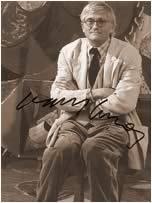 |
NEW EDITION NEW HEADWAY INTERMEDIATE ONLINE RESOURCES For each unit there are additional online exercises "HEADWAY" has prepared for you. They are short, not very difficult and quite fun to do. They cover grammar and vocabulary. Go to the "New Headway Intermediate " webpages. |
| For unit 1, unit 2 and unit 3 go to "4th form " |
 |
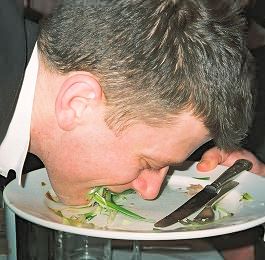 |
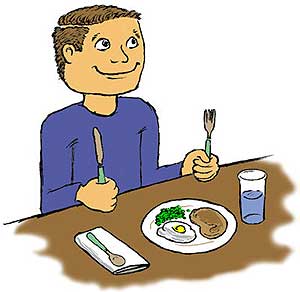
| Table manners Click on the picture to enlarge. |
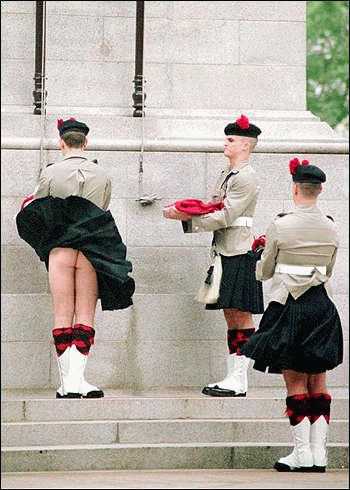
| A Scottish kilt in the wind Click on the picture to enlarge |
 |
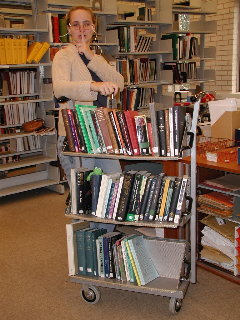
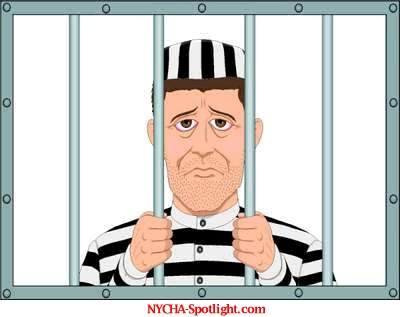
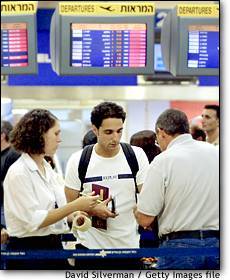
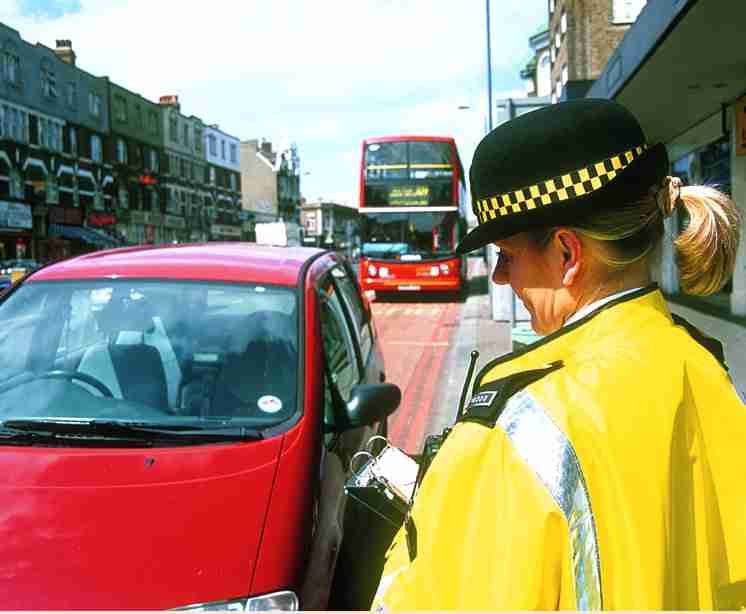
| What are these people? (Based on Workbook ex. 3, p.26) Click on the pictures to enlarge |
 |
 |
 |
 |
 |
 |
 |
 |
 |
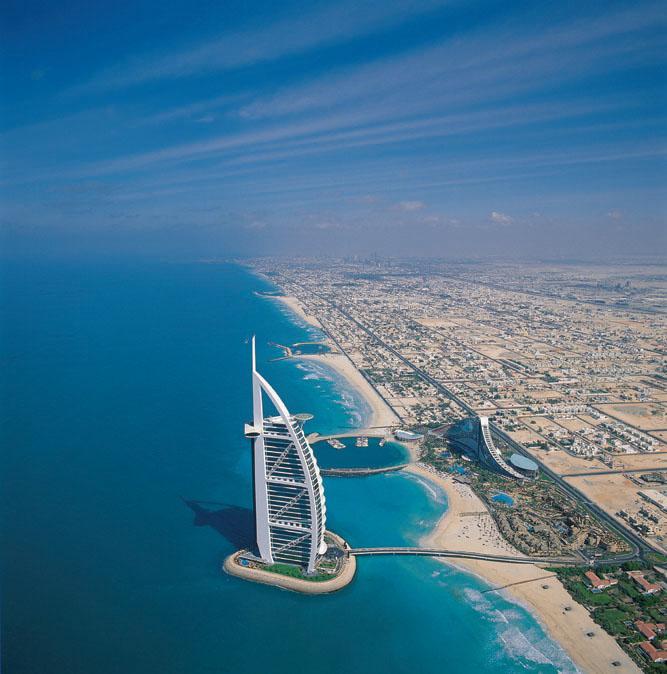
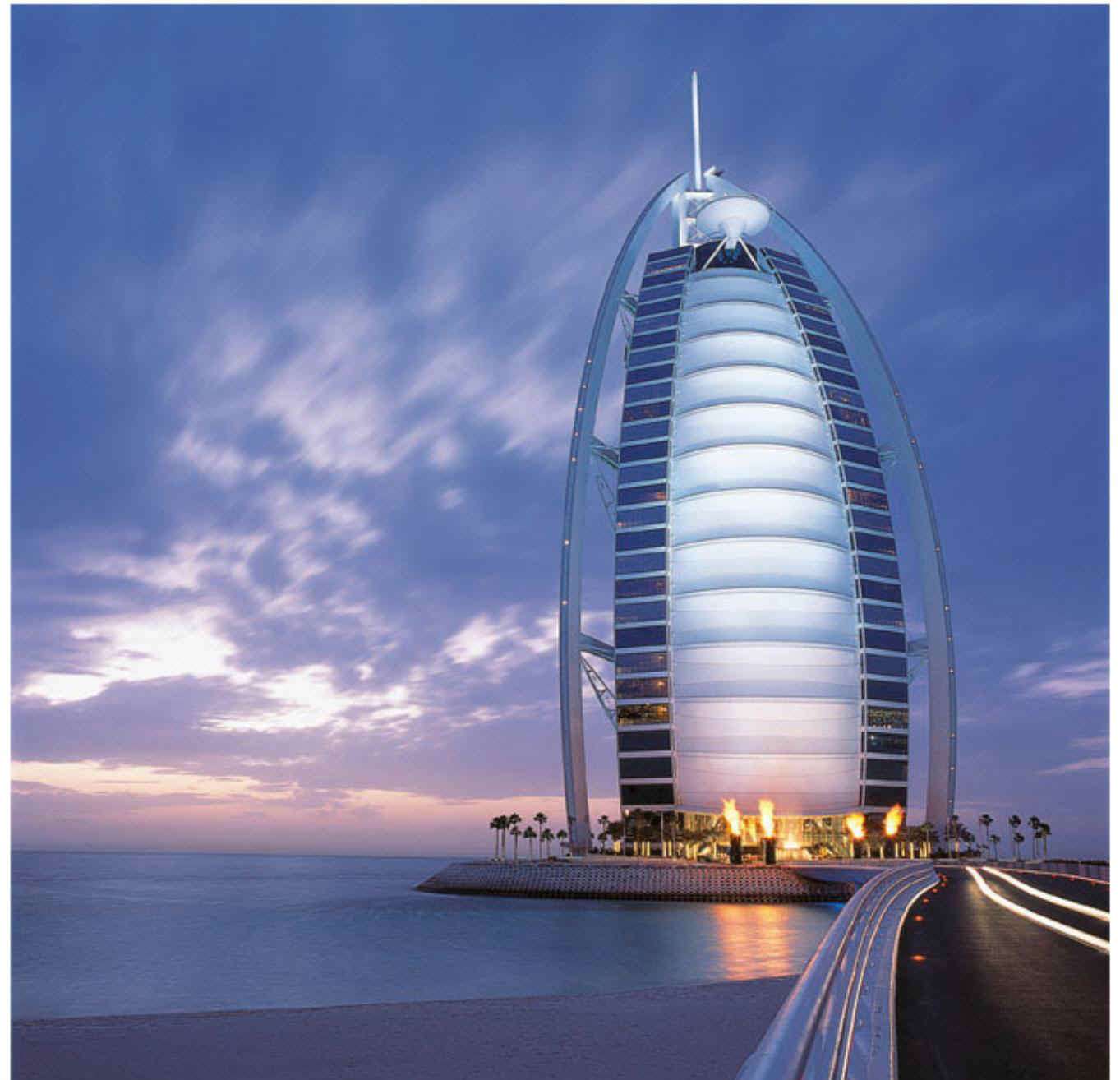
| the Burj al-Arab hotel (Dubai) Click on the pictures to enlarge |
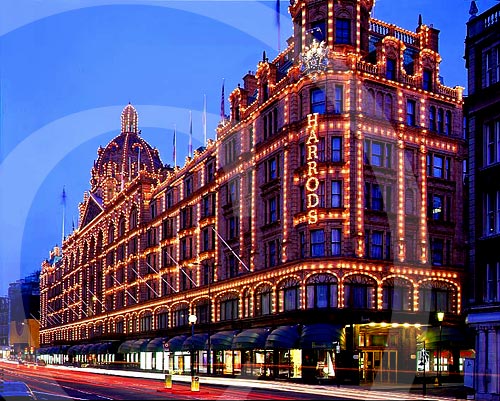
| Harrods Department Store (London) Click on the picture to enlarge |
| Bar inside the Ice Hotel (Canada) |
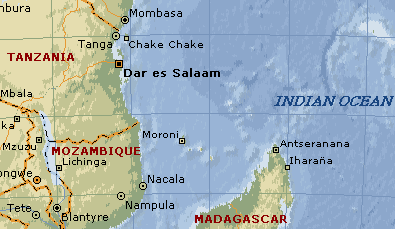 |
| Dar es Salaam (Tanzania) (See WB ex. 3) Click on the map to enlarge |
 |
| Masai person (See WB ex. 3) |
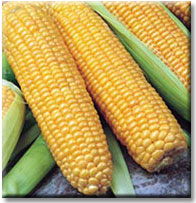 |
Sweetcorn |
 |
 |
 |
 |
 |
 |
| Mrs Clark and Percy (1970) Click on the painting to enlarge |
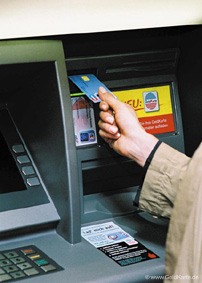
Unit 8 JUST IMAGINE! (revised 2007-08) Grammar: Conditionals (if clauses) Examples: if (when) we are late in class some teachers always get angry. (zero conditional) Mum, if I have to have breakfast, I will be late for class. (first conditional) if I had breakfast every morning, I wouldn't be so hungry at 10 o'clock. (second conditional) You studied the zero conditional and the first conditional last year. If you want to go back to it and study the basic rules once more, go to unit 9 "3rdform2 " Study he difference between the zero conditional and the second conditional, often called the "unreal conditional " Practice: "conditionals 1 :winning the lottery ", "conditionals 2: selling computers ", "conditional 3: multiple choice ", "conditionals & time clauses " (when, until, etc) READING & VOCABULARY "Who wants to be a millionaire? We do" is the title of your reading text. If you want to see how well you kow what is in it, do the following matching exercise. In it, you will have to complete the first part of the sentence on the left with the second on the right. Interested? Then go to: "Who wants to be a millionaire? " ADDITIONAL INFORMATION cash dispenser * Concerned about human rights and want to be informed? Then visit "Amnesty-Vlaanderen " . If you want to read the same information in English, then visit: "Amnesty International " * If you want to know more, or if you want to become a member of WWF (World Wildlife Fund) go to "wwf-nederlands." (Dutch site). Unless you want to read the information in English. Then go to "wwf- International " and select 'United Kingdom' or 'United States'. |
 |
 |
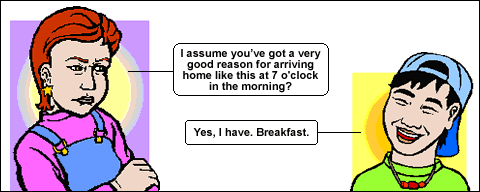
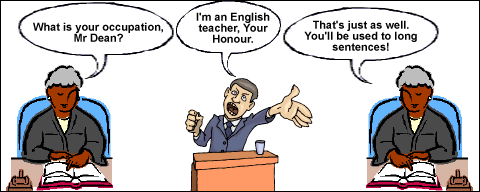
Unit 9 RELATIONSHIPS (revised 2007-08) Grammar 1 : MODAL VERBS OF PROBABILITY ( DEDUCTION) : MUST / CAN'T / MAY / MIGHT / COULD Let's first study some examples and look at the rules: "MUST / CAN'T / MAY / MIGHT / COULD for the present " "MUST / CAN'T / MAY / MIGHT / COULD for the past " And now some practice: 1) "modal verbs of probability 1" (mostly based on sentences from your Student's Book and Workbook) 2) "modal verbs of probability 2 " 3) "modal auxiliaries " (a more general exercise on modal verbs) Grammar 2 : AGREEMENT AND DISAGREEMENT So (do) I/ Neither (do) I // I (do) / I (don't) How do you say that something is the same for you, or that it is different for you? Practise: "So (do) I / Neither (do) I ", "The Copycat Game " VOCABULARY Do this exercise to revise new vocabulary of this unit => "vocabulary revision " (based on your Student's Book and Workbook) And here are two cartoons Just for fun. |
 |
 |
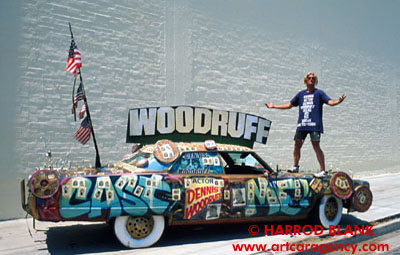
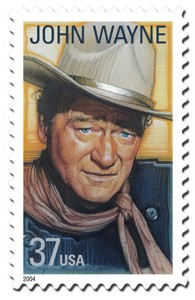
Unit 10 : OBSESSIONS (revised 2007-08) Grammar : PRESENT PERFECT SIMPLE <=> PRESENT PERFECT CONTINUOUS ( have + Past Participle: have done) (have + been + Past Participle : have been doing) * Let's first study the rules: "present perfect continuous " * Now practise: 1. "present perfect simple / present perfect continuous 1 " (multiple choice exercise) 2. "present perfect simple / present perfect continuous 2 " (fill in the correct tense) 3. "present perfect simple / present perfect continuous 3 " (fill in the correct tense) 4. "present perfect simple / present perfect continuous 4 " (fill in the corrrect tense) 5. " At the restaurant - present perfect simple / present perfect continuous 5 " (fill in the corrrect tense) 6. "present perfect simple / present perfect continuous 6 " (fill in the correct tense) 7. "A job interview - present perfect simple / present perfect continuous " (fill in the correct tense) And for the experts: 8. "present perfect simple/continuous; past perfect simple/continuous " (fill in the correct tense) 9. "Learning English Abroad - present continuous/ past simple /present perfect continuous / past perfect continuous " READING: DENNIS WOODRUFF Do this True /False exercise to test how well you have read the article on Dennis Woodruff => "Famous for not being famous " FILM QUIZZES Are you a movie fan? Then do these two quizzes on films: "film quiz 1 ", "film quiz 2 " (there is a spelling mistake in question 4: 'recieved' must be spelled 'received') John Wayne on a US 2004 poststamp => |
 |
 |