| 3 R D F O R M: B |
| All year round: always handy to check out at any time of the year. 1. An overview of the FIVE most important tenses in the English language. How and when to use them. 2. Before taking a test, DO NOT FORGET to read and study the GRAMMAR REFERENCE pages at the back of your book. |
| UNIT 5 (revised 2007-08) GRAMMAR * in this unit we are going to practise different ways to talk about THE FUTURE. First read about the rules: "will + inf" => future simple "going to + inf" => planned future "will + be + ing" => future continuous "four ways to talk about the future" (future simple, going to, present simple, present continuous) * Let's practise: "going to, will - future" "future continuous" "four ways to talk about the future 1" "four ways to talk about the future 2" "will -future, going to, present continuous" "will -future , going to, present continuous, future continuous" * We are also going to practise "verbs + to + infinitive" <=> "verbs + ING" Normally, you should have a good feeling for the correct choice. So you can practise right away: "exercise 1 ", "exercise 2 ", "exercise 3 " * Let's finally practise prepositions with sentences taken from your Student's Book: "prepositions " READING * Find out how much you remember about the text you've read about "Hollywood Kids" => "Hollywood Kids " VOCABULARY Practise adjectives to do with how you feel: "feelings 1 " (very pleasant to do) "feelings 2" and "fear and phobias" |
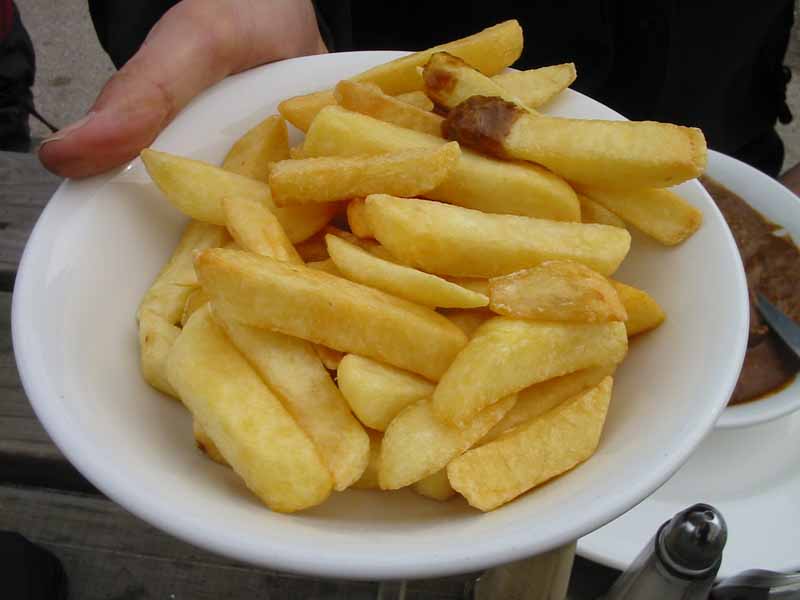
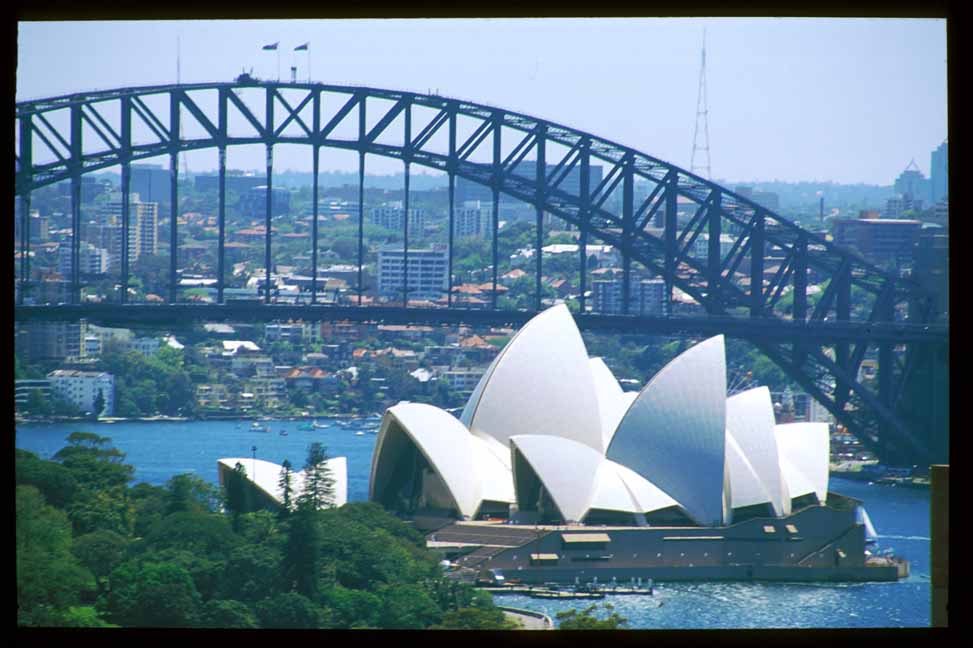
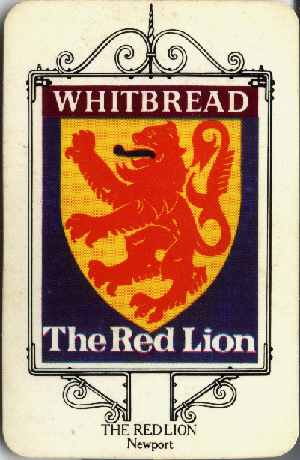
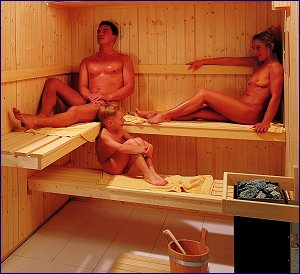
UNIT 6 (revised 2007-08) Ready to compare cities in our global village? (Paris, Melbourne, Dubai, Beijing, Stockholm, Brasilia) Look at the pictures on the right: you can see 1) the Opera House in Sydney (Australia), 2) the sort of chips you would get in an English pub (yuk! or yummy?), 3) a typical pub sign for "The Red Lion" with the brandname of a beer called "Whitbread", 4) a sauna room GRAMMAR 1) First have a look at the comparative and superlative forms of adjectives and adverbs: adjectives: "regular comparatives and superlatives" adjectives: "irregular comparatives and superlatives" adverbs: "comparatives and superlatives" 2) Let's practise now: - "The Brussels Motor Show" (fill-in exercise) - "Comparatives/ Superlatives 1" (multiple choice exercise) - "Comparatives/ Superlatives 2" ((type the correct form) READING * How well can you find directions? Find out: "Reading a city map" * And how good are you at asking and giving directions? Do this exercise: "Directions to the cinema" (fill-in exercise) * Read this text on how children celebrate 'Midsummer' in Sweden' VOCABULARY Two Millionaires You've read the articles on two millionaires. Were you interested? Was it good reading? To test the new vocabulary from both articles, do: "Milton Petrie " and "Hetty Green " |
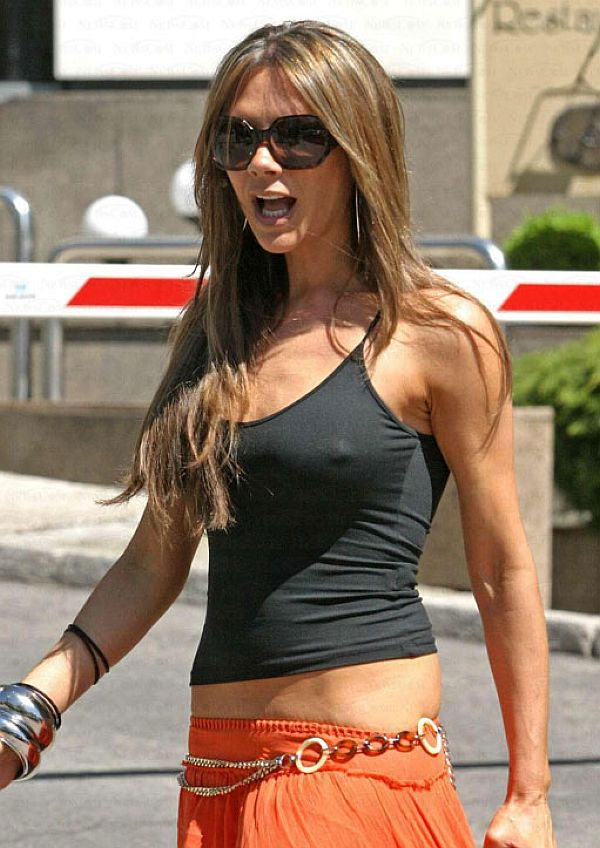
| UNIT 7: FAMOUS COUPLES (revised 2006-07) Grammar: how to become a 'present perfect' person! A. The Present Perfect Tense 1) Let's first look at the form => "present perfect forms" and let's now practise: a) "Write sentences in the present perfect tense" b) "My friend Jack" c) "A Love Letter" 2) Now Let's study when we use the present perfect tense => "Use of the Present Perfect Tense" Let's now practise: a) "For or Since?" b) "Present Perfect or Past Simple? A" c) "Present Perfect or Past Simple? B" d) "Present Perfect or Past Simple? C" e) "The Football Team" f) "Eminem's biography" B. ADVERB OR ADJECTIVE 1) First have a look at the form of the adverb => "Adjective => Adverb" 2) Now practise: a) "Adjective or Adverb A" b) "Adjective or Adverb B" c) "Adjective or Adverb C" d) "The Cougar: an amazing animal" C RELATIVE PRONOUNS 1) Who, which, that, whose : some basic "rules" 2) Some basic practice: a) "Relative pronouns" b) "Write relative clauses" VOCABULARY You've read about Donna Flynn and Terry Wiseman, a celebrity couple. do the following exercise to practise your new vocabulary and test how well you know your reading text. => "The Pop Star and the Footballer " On the left you can see the REAL CELEBRITY COUPLE. Are they your type? READING We've read that Anthony Trollope lived in Victorian Times (the nineteenth century). If you want to know more about this age, go to the "interactive site" developed by the BBC and learn how children worked, played went to school in the nineteenth century. You can watch, read and play a game.. |
| UNIT 8: DO'S AND DON'TS (revised 2007-08) Grammar: must, have to, should, mustn't 1) Rules and an exercise on "have to, must, should" * Do another exercise on "must/ have to" 2) What's the difference between "don't have to / mustn't" ? * Now practise: a) "don't have to / mustn't" b) "Mustn't / Needn't" (needn't = don't have to) c) "Making an Omelette" VOCABULARY * You've listened to people who were talking about their country and going on holiday there in January. See how much you remember by doing these 3 exercises: "Mexico ", "Egypt ", "Switzerland " * You've talked about different jobs (SB p.63, WB, p.46). Want some more practice? Do: "occupations 1" (easier), "occupations 2 " (more difficult) * "Everday English" is about going to the doctor's. It's not a bad idea to know some parts of the body in English. Practise: => "Body Nouns 1" (with pictures) => "Body Nouns 2" (without pictures) * What can we do with our body? (Think of "burp, rub, tickle, whisper,etc.") Practise: => "Body Verbs" * What are the symptoms of some illnesses? Practise: "Symptoms " * Let's visit the doctor: "At the Doctor's". (Multiple choice exercise. Sometimes more than one answer is possible.) |
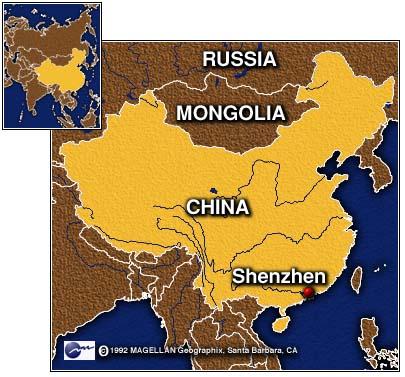
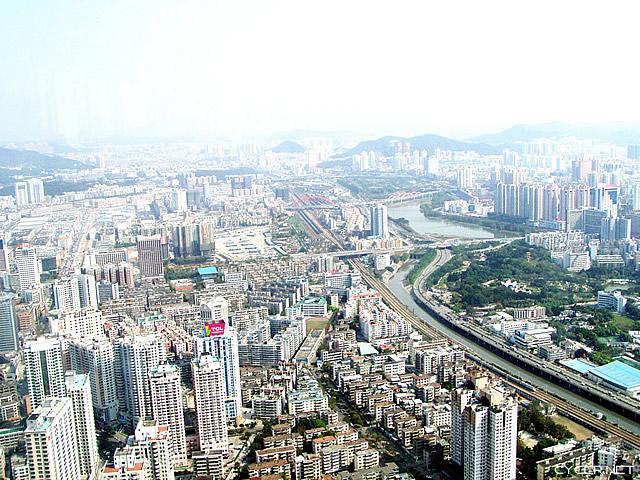
| Unit 9 GOING PLACES (revised 2007-08) Grammar * In this unit, you will practise: a) the first conditional (sentences expressing "if" = "on condition that") Example: "If it rains, we will stay at home." b) time clauses introduced by time phrases: while, when, before, until, as soon as, after. Example: "As soon as I arrive, I'll phone you." "When I come home, I'm going to take a shower." "We're going to continue playing until there is a winner." c) the difference between "if" and "when" * Study the structure of the first conditional => : "if-clauses" * Now do the following exercises: "if-clauses 1" (multiple choice) "if-clauses 2" (fill in exercise) "time clauses 1" (fill in the time phrase) 'time clauses 2" (fill in the correct verb form) "as soon as / if / unless" (unless = if not) Vocabulary China is THE emerging economic superpower. You've read about the town of Shenzhen, as a good example of China's economic and urban growth. Here's the reading text of your Student's book, p. 75. Test how well you know it by doing this vocabulary exercise: "Megalopolis " |
 |
 |
| Where is Shenzhen in China? |
| A picture of Shenzhen Click on the picture to enlarge |
NEW HEADWAY PRE-INTERMEDIATE ONLINE RESOURCES For each unit there are additional online exercises "HEADWAY" has prepared for you. They are short, not very difficult and quite fun to do. They cover grammar and vocabulary. Go to the "New Headway Pre-Intermediate " webpages. |
 |
 |
 |
 |
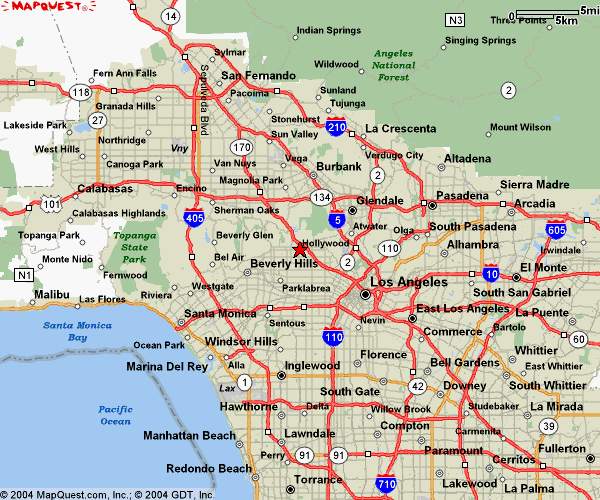
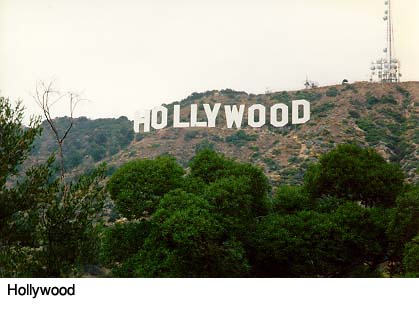
| map of the Los Angeles area and the Hollywood sign in the Hollywood hills Click on the photos to enlarge them |
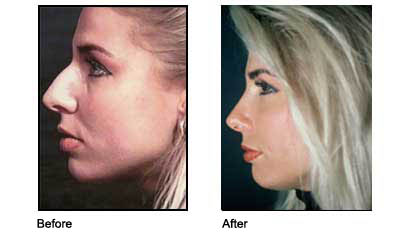
| Before and after a nose operation Click to enlarge |
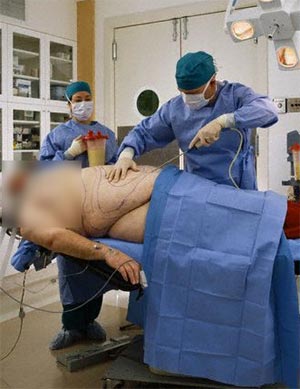
| Liposuction Click to enlarge |
| For unit 1, unit 2 , unit 3 and unit 4 go to "3rd form " |
 |
 |
 |
 |
| British "chips" at the Red Lion click on the pictures to enlarge |
| The Opera House in Sydney click on the picture to enlarge |
| A family in a sauna cabin |
 |
 |
 |
| David Beckham & Victoria Adams |
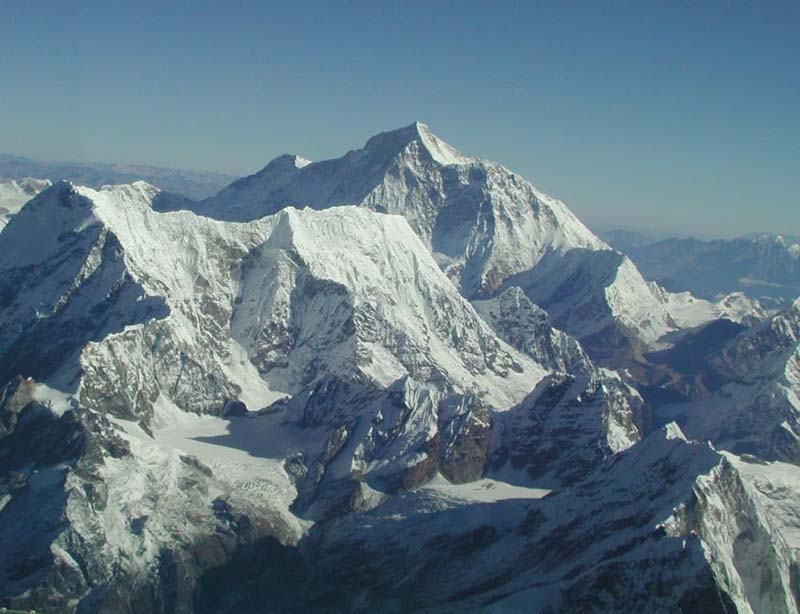
| Mount Everest (See WB ex. 3) |
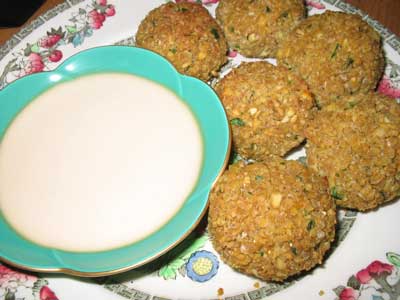 |
| Falafel Click on the picture to enlarge |
 |
<= koftas |
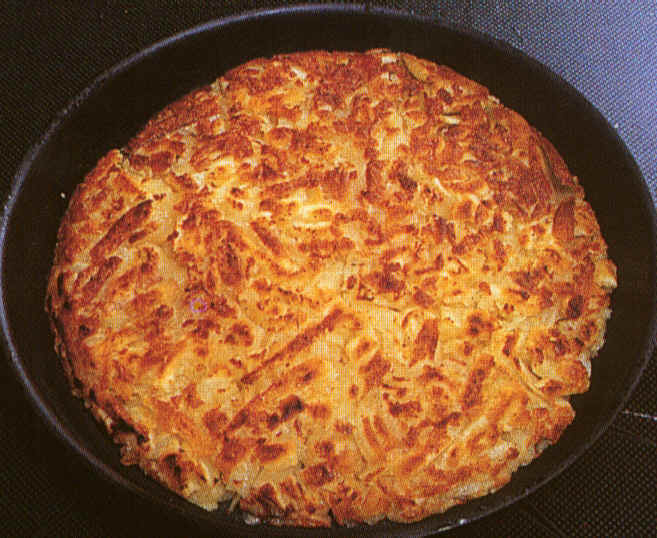 |
<= r�sti Click on the picture to enlarge |
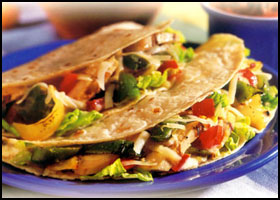 |
| tacos |
 |
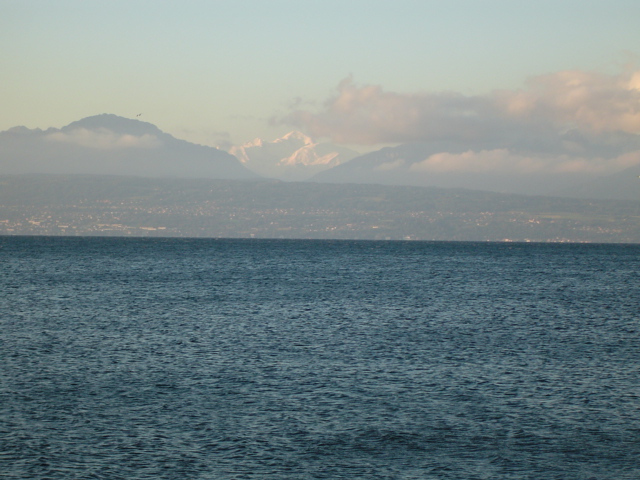 |
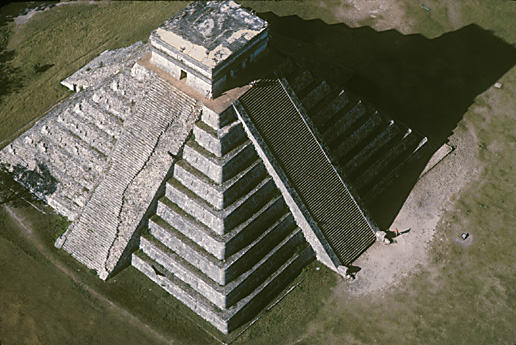
<= Mayan temple in Yucatan, Mexico Click on the pictures to enlarge Lake Geneva with view => of Mont Blanc |
 |
 |
 |
 |
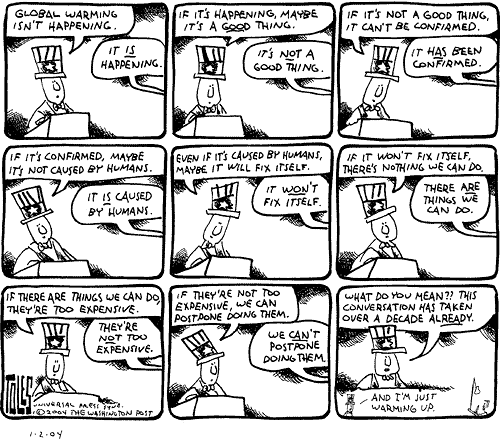
| to read this cartoon on 'global warming', click on on it to enlarge |
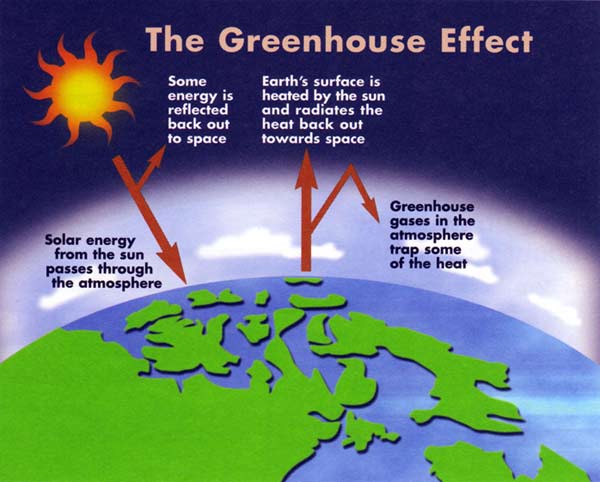
| A simplified explanation of the greenhouse effect (see WB p.48) Click on the picture to enlarge |
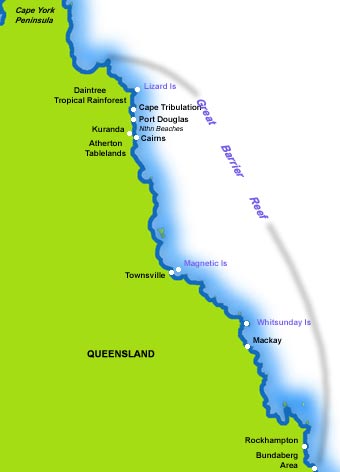
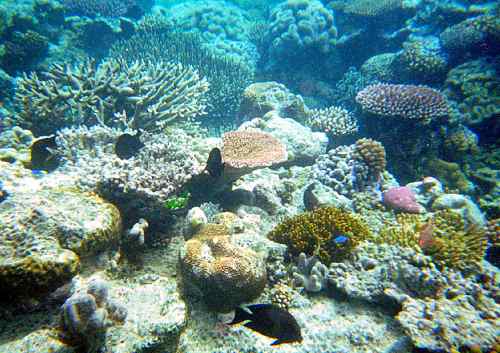
| Where is the Great Barrier Reef in Australia? Click on the map to enlarge. |
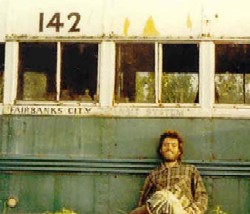
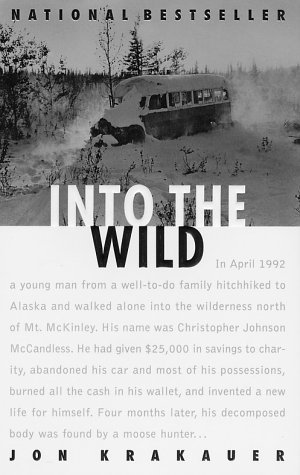
| Unit 10 SCARED TO DEATH! (revised 2007-08) GRAMMAR * Such' or 'so' Let's practise how and when to use these two words. Do this exercise "so / such " Now try this more difficult exercise: "So / such / still / yet " VOCABULARY Adjectives ending in - ED or -ING ' (bored / boring) Do these two exercises: a) "adjectives - ED / -ING 1 " READING You've read about the tragic story of Chris McCandless. Here's a quiz to test how well you know this reading text => "Into the Wild " Chris McCandless in front of his bus |
 |
 |
 |
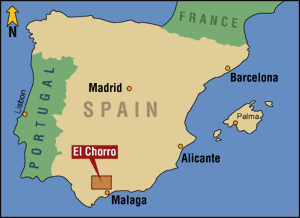 |
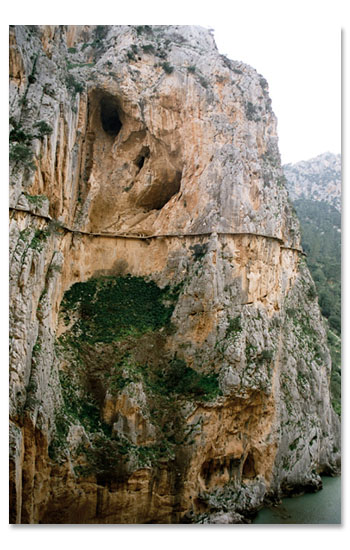
| A breath-taking picture of El Camino Del Rey Click on the picture to enlarge |
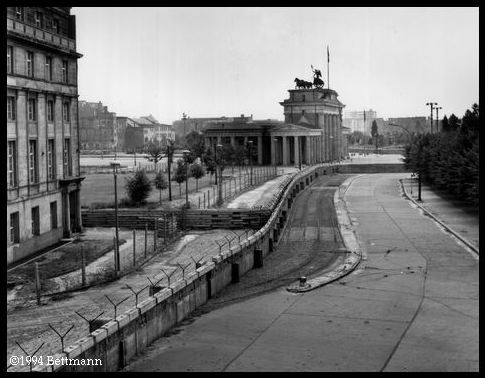
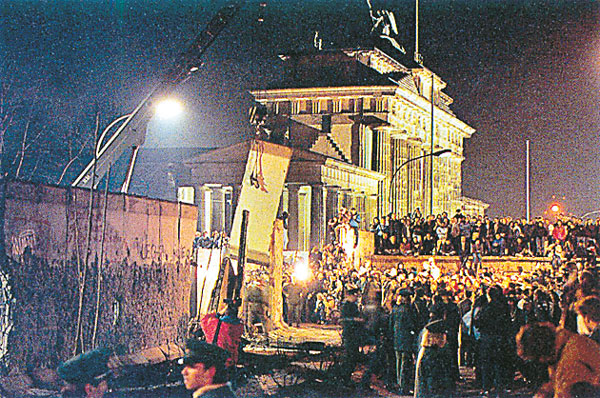
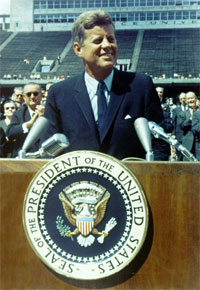
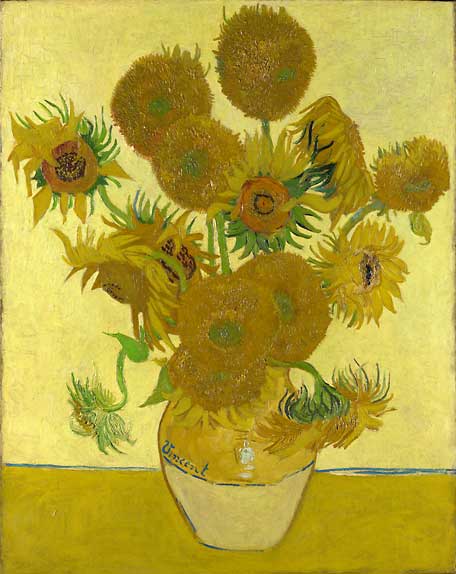
| Unit 11 THINGS THAT CHANGED THE WORLD (revised 2007-08) GRAMMAR : THE PASSIVE * Let's first have a look at some examples of "passive sentences ". * If you want to test your passive skills, do the following exercises: "active or passive 1 " (based on sentences from your Student's Book & Workbook; fill-in exercise.) "active or passive 2 " (fill in the correct form of the verb) "recognising the correct passive form " (multiple choice exercise.) "the passive voice in questions " (write down the the passive question form) "the passive form in the correct tense " (write down the correct passive form) "from active to passive " (write down the passive sentences) Vocabulary President John F. Kennedy You have probably read about the history of Coca-cola, the hamburger, cotton, tobacco, sugar and nylon (in your workbook). Do the following matching exercise to check how well you have remembered some facts about these things that changed the world. => "Things that changed the world " The Berlin Wall The Fall of the Berlin Wall in 1989 (click on the picture to enlarge) (click on the picture to enlarge) Sunflowers by Vincent Van Gogh |
 |
 |
 |
 |