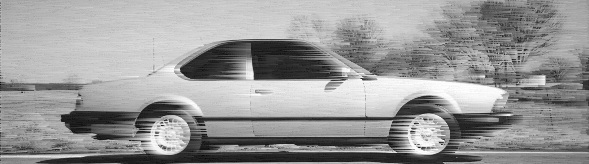
A Bridge Too Far
A look back at BMW's tragic 2002-2005 period.
MUNICH (Reuters) - They say that hindsight is 20-20. It’s easy now, from the vantage point of 2007, to shake our heads at the terribly myopic vision which BMW followed with such gusto during the first half of this decade. The aftermath of the wholesale application of Chris Bangle’s Gen-Y aesthetics to the BMW line is still painfully recent in our memory. It seems inevitable now that Munich’s loss of marketshare would accelerate between 2002-2005 to the point of Mercedes’ wresting away BMW’s place as first among German luxury brands after only three years of the Bangle regime.
It is a mystery as to why BMW remained so long asleep at the wheel during the tossing aside of some 30 years of hard-won brand identity with such flamboyant abandon by Mr. Bangle and his cohorts. The cumulative effects of flame surfacing and other such obscenities now seem terribly obvious, but while underway, such radically unaesthetic styling seemed to promise BMW a decent shot at “positioning the brand for multi-generational advancement,” or some other such marketing gobbledegook as convincingly enunciated by Munich’s chief stylist. Bangle’s oft-quoted reference to styling leadership as “taking you where you don’t want to go” proved prophetic for BMW’s marketshare after only three years.
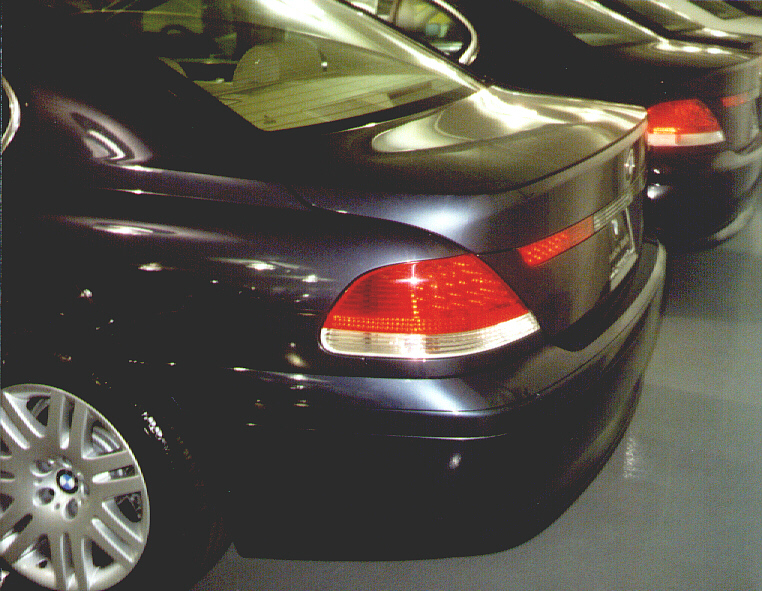
The devil was, indeed, in the details. The 7 Series of 2002-2005 was doomed from the start with its hideous trunklid and impossibly complex iDrive. The initial excitement over ‘03's Z4 was followed within 18 months by declining sales of the Z3's replacement. As in the case of the new 7, the public quickly tired of the roadster’s cut lines and dissonant angles which effectively branded the Z4 about as timeless as a Hyundai Tiburon.
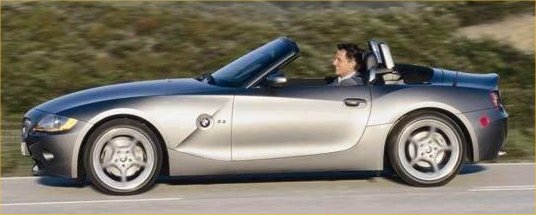
When the beauty of Porsche’s new Boxter and Aston Martin’s stunning DB9 (penned by Z8 stylist Henrik Fisker) was added to the mix, the tragic failure of Munich’s marriage of flame-surfacing with why-tech became more and more glaring. The final insult came with the soiling of the new 3, 5 and 6 Series' with more of the same embarrassing indignities. BMW’s wholesale application of Bangle’s quirky styling to the entire line led to plummeting marketshare, and that, in the end, led the Quandt family to take action before irreparable damage was done to the brand.
The board’s dismissal of Bangle and the forced retirement of Chairman Panke in 2005 resulted from the ferocious effort by BMW traditionalists to regain control of Munich’s faltering fortunes. The fevered battle during the spring of ‘05 over whether to recall Wolfgang Reitzle from the oblivion of German forklift manufacturer Linde is now the stuff of legend. And the rest, as they say, is history.
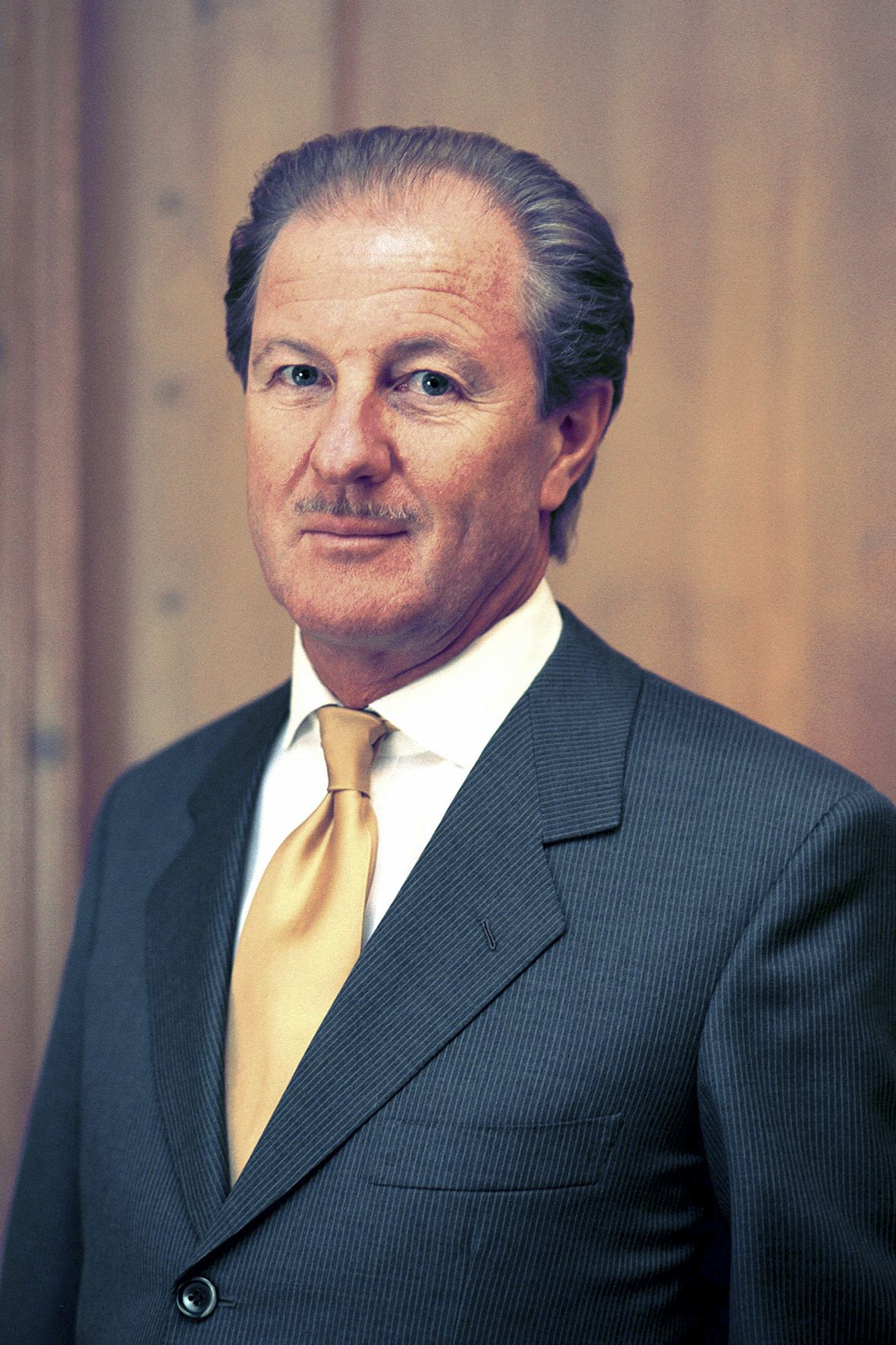
Reitzle’s appointment as BMW’s new CEO two years ago has been grandly vindicated. His sterling reputation as the industry’s premier “product guy” (after retired GM CEO Bob Lutz) is derived from Reitzle’s faultless product leadership of BMW in the 1990s, as well as the magnificent job he did in making Ford’s premier auto group (Aston Martin, Jaguar, Land Rover, and Volvo) truly viable after only three years. But Reitzle’s crowning achievement has been to bring BMW back in only 24 months to effectively compete with Mercedes’ lineup this fall for the leadership of Germany's luxury brands with a combination of gorgeous styling (the restyled ‘07 6 Series is already being touted as a modern classic) and over-the-top performance. And Reitzle did it the old-fashioned way - he earned it.
The new chairman's appointment in 2005 of former FoMoCo vice president of design J Mays as BMW's chief stylist is seen as the masterstroke which enabled BMW design to recover so quickly. Mays was well versed in BMW design heritage; he worked for the company in the 1980s doing exterior design proposals for the 5 and 8 Series'.
Mays design approach is holistic, thinking not only of the design of the automobile itself but the branding and identity that accompany the final product. His concept of "retrofuturism" underlies his belief that the innovation of the past should be studied and drawn upon to inform the future, an approach which resonates with Chairman Reitzle and BMW's own design heritage.
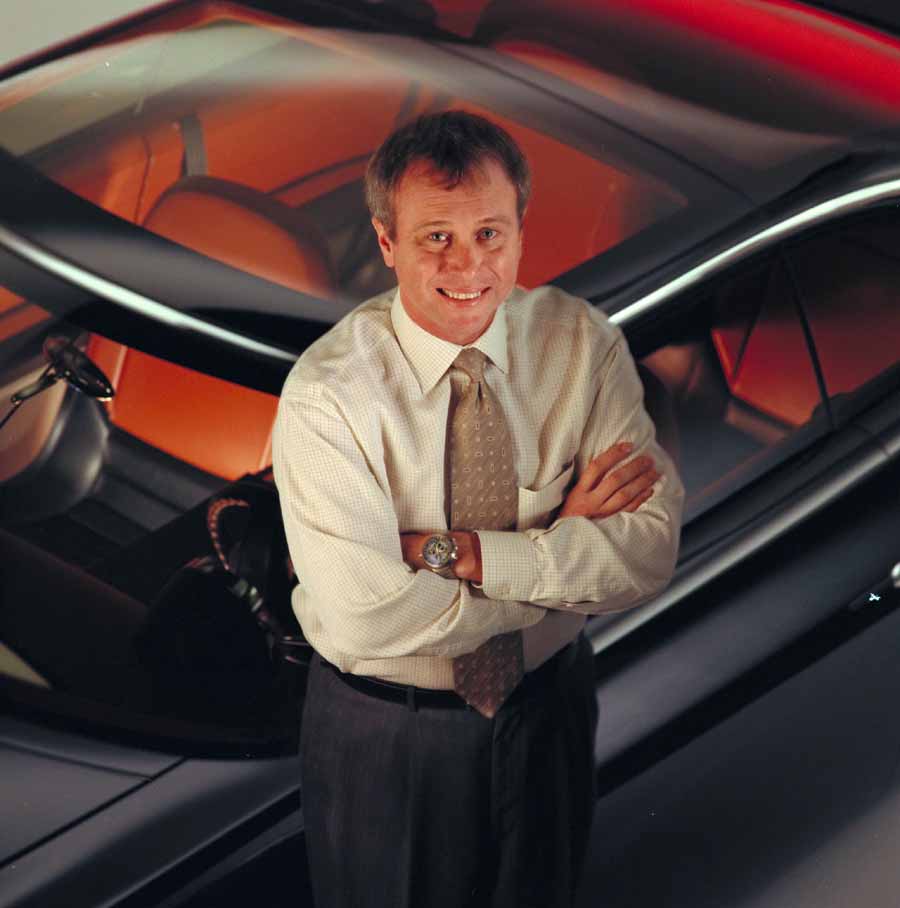
Thanks to Mays and his staff, BMW showrooms this fall will be filled with a 2007 line which returns a timeless yet contemporary beauty to every series, 1 through 8.
In the final analysis, though many wonder how Munich could have been so mistaken in the 2002-2005 period as to have given over its styling so completely to such a shallow and ultimately failed direction, BMW devotees in those dark years took comfort in the old adage that things usually work out in the end.
Except, of course, for those poor individuals who chose to buy new BMWs during what is now increasingly referred to as Munich’s Edsel period. -Rick Sparks
 So Long, Sixer - Silbersix crosses the finish line.
66
By 6 - A Sixer motors west on Route 66 (Part Three).
Looks That Could Kill - Playing with fire in Munich.
66 By 6 - A Sixer motors west on Route 66 (Part Two).
The Book Of Motoring - Chapter & verse for motorists of every age.
66 By 6 - A Sixer motors west on Route 66 (Part One).
Back
In the Saddle Again - Let the rescue begin.
Retro
Ad: 1986 635CSi - Trophies do have a certain appeal.
Southern
Comfort In a Six - Late summer, a Sixer, & Southern highways
through time.
Made
In Germany - The legacy of the land of BMW.
Romancing
the Six - Looking for love in all the right places.
Here's
to You, L.A. - Where the sun always shines.
The
Land of Zentrum - A Sixer pilgrimage to BMW's American Mecca.
Splendor
Under the Oaks - Sunday in the park, with friends.
Silver
Anniversary Sixer - The right thing to do.
Old
Flames - The object of my former affection.
Hello,
Sixer - The start of a beautiful friendship.
Retro
Ad: 1975 530i - Father of the Sixer.
Great
Expectations - Will BMW's new 6 Series keep up with the pack?
The
Sixer Preservation Society - Six times around the world is enough.
Or is it?
Freedom
- For all her faults, America is a beautiful nation.
An
Affair To Remember - Defining BMW's essence in 12 all-time great
cars.
Baby's
New Shoes - Treating the old girl to a new look and feel.
Mini
Comes To Kansas City - Less is more for BMW's newest driving machine.
So Long, Sixer - Silbersix crosses the finish line.
66
By 6 - A Sixer motors west on Route 66 (Part Three).
Looks That Could Kill - Playing with fire in Munich.
66 By 6 - A Sixer motors west on Route 66 (Part Two).
The Book Of Motoring - Chapter & verse for motorists of every age.
66 By 6 - A Sixer motors west on Route 66 (Part One).
Back
In the Saddle Again - Let the rescue begin.
Retro
Ad: 1986 635CSi - Trophies do have a certain appeal.
Southern
Comfort In a Six - Late summer, a Sixer, & Southern highways
through time.
Made
In Germany - The legacy of the land of BMW.
Romancing
the Six - Looking for love in all the right places.
Here's
to You, L.A. - Where the sun always shines.
The
Land of Zentrum - A Sixer pilgrimage to BMW's American Mecca.
Splendor
Under the Oaks - Sunday in the park, with friends.
Silver
Anniversary Sixer - The right thing to do.
Old
Flames - The object of my former affection.
Hello,
Sixer - The start of a beautiful friendship.
Retro
Ad: 1975 530i - Father of the Sixer.
Great
Expectations - Will BMW's new 6 Series keep up with the pack?
The
Sixer Preservation Society - Six times around the world is enough.
Or is it?
Freedom
- For all her faults, America is a beautiful nation.
An
Affair To Remember - Defining BMW's essence in 12 all-time great
cars.
Baby's
New Shoes - Treating the old girl to a new look and feel.
Mini
Comes To Kansas City - Less is more for BMW's newest driving machine.
Comments? Questions? Send to [email protected].
