|
Siirtolaisuus
Meitä saattaa ihmetyttää suuresti, miten joku Kangasniemen perukoilta
kotoisin
oleva kouluttamaton ja varaton ihminen oli valmis riskinottoon ja rohkeni
lähteä kohti tuntematonta kauas Atlantin taakse.
Joillakin oli henkilökohtaisia syitä. Suurimmalla osalla lähtijöistä ei
täällä
ollut työtä eikä kunnollista toimeentuloa.
Eteläharjun Wille Siitari joutui myymään tilansa 1887. Torpparin lapsilla ei
ollut kotitilaa eikä mahdollisuutta jäädä kotiseudulle. Amerikka veti
puoleensa
vastustamattomasti. Tiedettiin, että siellä oli työtä ja vielä kunnon
palkalla.
Maataloustöihin tottuneita houkutteli mahdollisuus saada ilmaista maata
viljeltäväksi ja myöhemmin lunastaa se omaksi. Tytöille oli hyviä piian
paikkoja perheissä ja täyshoitoloissa. Tehtaissa, metsissä ja kaivoksissa
työpäivät olivat pitkiä ja raskaita, mutta palkka hyvä kotimaan tienesteihin
verrattuna.
Päätöksen tekoa helpotti se, että moni muu kylältä oli samoissa aikeissa.
Ensin oli hankittava tarvittavat asiapaperit passia varten. Matkalippuun meni
piialta ja rengiltä puolen vuoden palkka.
Lähtijät olivat yleensä parhaassa työiässä olevia 20- 25-vuotiaita nuoria.
Wille Siitarin pojat Walter (25 v), Aati (21 v), Albin(17 ), Basilius(20 v)
ja
vävy Otto Pöyhönen (26 v) matkustivat edeltä ja Walterin ja Aatin puolisot
tulivat vähän myöhemmin perässä. Amanda oli jo 37-vuotias muuttaessaan vuonna
1925.
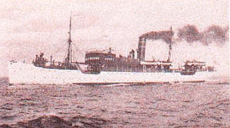
Laivamatka alkoi Hangosta ja kesti 2 viikkoa. Olot täyteen ahdetuissa ja
epäsiisteissä laivoissa olivat surkeat.
Todennäköisesti elämän ankaruus uudessa kotimaassa yllätti tulijat.
Viljeltäväksi annettu maa oli kivistä ja karua. Päivittäinen 10 -11 tunnin
työskentely oli kaivosten kuumuuden ja olemattomien turvajärjestelyjen takia
vaarallista.
Walter ja Ida eivät viihtyneet, vaan palasivat parin vuoden päästä takaisin.
Basilius tuli vain käymään kotimaassa, mutta jäi perhesyiden takia pysyvästi
kotimaahan.
Emigration
We may wonder how it is possible that an uneducated and poor person from a
small place such as Kangasniemi was ready to take a huge risk and embark on a
journey towards unknown, far away across the Atlantic.
Some people had personal reasons. Most did not have work or proper income.
Wille Siitari from Eteläharju had to sell his farm in 1887. The children of a
tenant farmer did not have a home or possibility to remain in their home
district. Emigration to America
was the answer.
People were very drawn to America.
They knew that there would be jobs with
good wages. People who were accustomed to farm work were tempted by the
opportunity to have free land to farm and the possibility of later being able
to purchase it. There were also jobs for girl as maids in households and
boarding houses. Work days were long and hard in factories, forests and
mines,
but the pay was good compared to the earnings back home.
The decision to emigrate was made easier by the fact that many others from
the
same village were planning to go to America.
First one had to acquire the necessary documents for getting a passport. The
ticket to America
cost six months worth in wages for a farm maid or a farm-
hand.
The emigrants were usually young people in their prime, around 20 to 25
–year-
olds. Wille Siitari’s sons Walter (25), Aati (21), Albin (17), Basilius (20)
and his son-in-law Otto Pöyhönen (26) travelled first, and the wives of
Walter
and Aati followed a little later. Amanda was already 37-years old when she
moved to America
in 1925.
The ship sailed off from Hanko harbor and the voyage lasted for a fortnight.
Conditions in the over-crowded and dirty ships were miserable.
Presumably it was surprise to the newcomers how hard the living conditions
were in their new home country. The land that was given for farming was
hard
to farm and full of stones. The working days in the mines were 10-11 hours
long and the work was dangerous because of the heat and nonexistent safety
precautions.
Walter and Ida did not like it in America and returned to their old
home
country in couple of years. Basilius only meant to visit his old home country
but ended up staying permanently because of family affairs. KK
|