Response and Prevention

Prevention methods

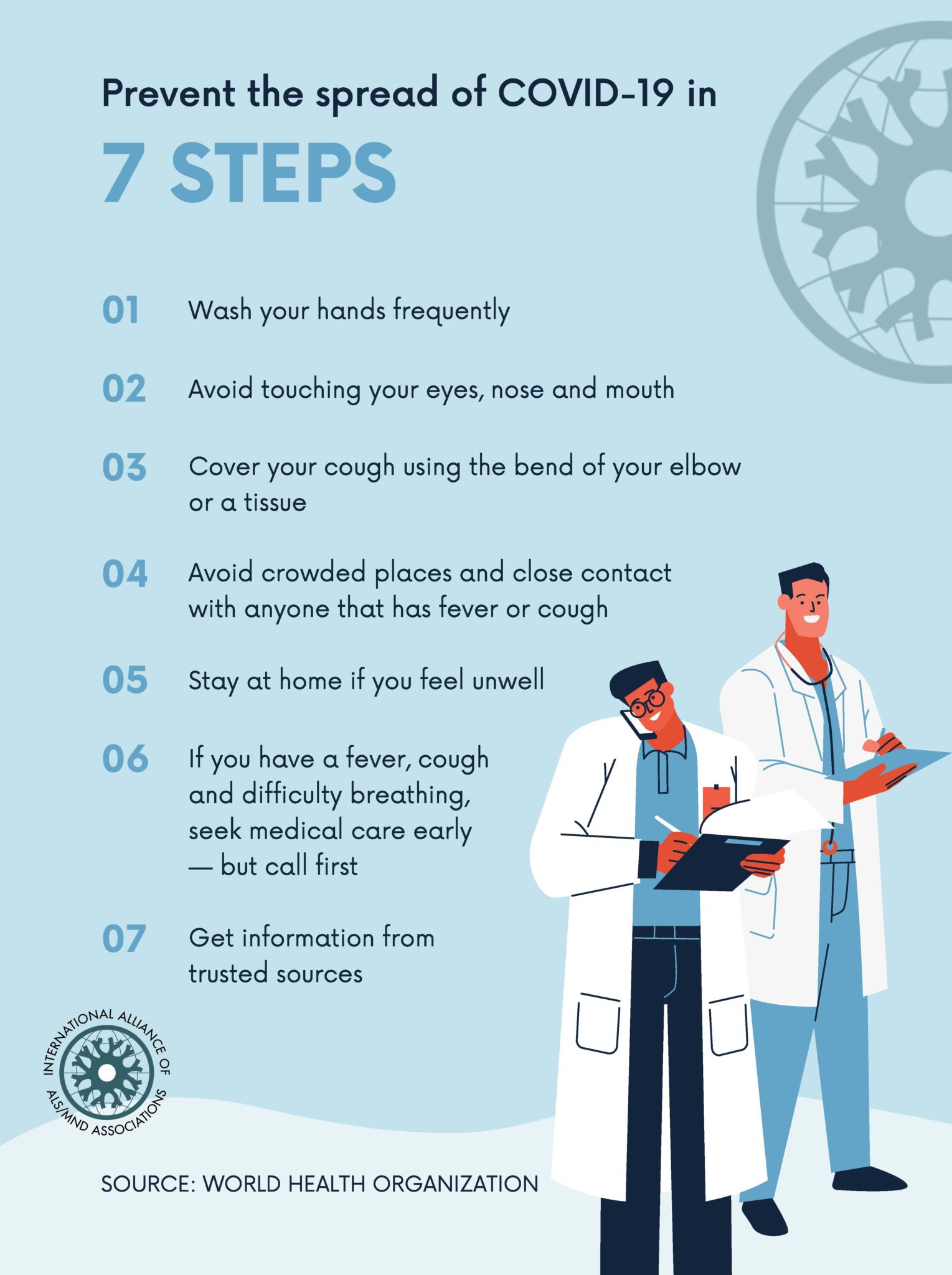
  • 1. Avoid going to crowded public places. To avoid contact with patients with fever and respiratory tract infections, wear masks if required.
  • 2. Wash hands frequently. Especially when hands are contaminated with respiratory secretions, after touching public facilities, after caring for patients with fever, respiratory infections, or vomiting and diarrhea, after visiting hospitals, after handling contaminated objects, and after touching animals, animal feed, or animal feces.
  • 3. Don't spit. Cover your mouth and nose with tissues or elbows when sneezing or coughing.
  • 4. Strengthen exercise, work regularly, and maintain indoor air circulation.
  • 5. Avoid contact with poultry, wild animals and their excreta and secretions, and avoid buying live poultry and wild animals.
  • 6. Avoid eating wild animals. Do not eat animals and their products that are already sick; purchase chilled poultry meat from regular channels; cook poultry and egg milk thoroughly; when handling fresh products, separate and clean utensils in time to avoid cross-contamination.

Response

Put an end to work and party

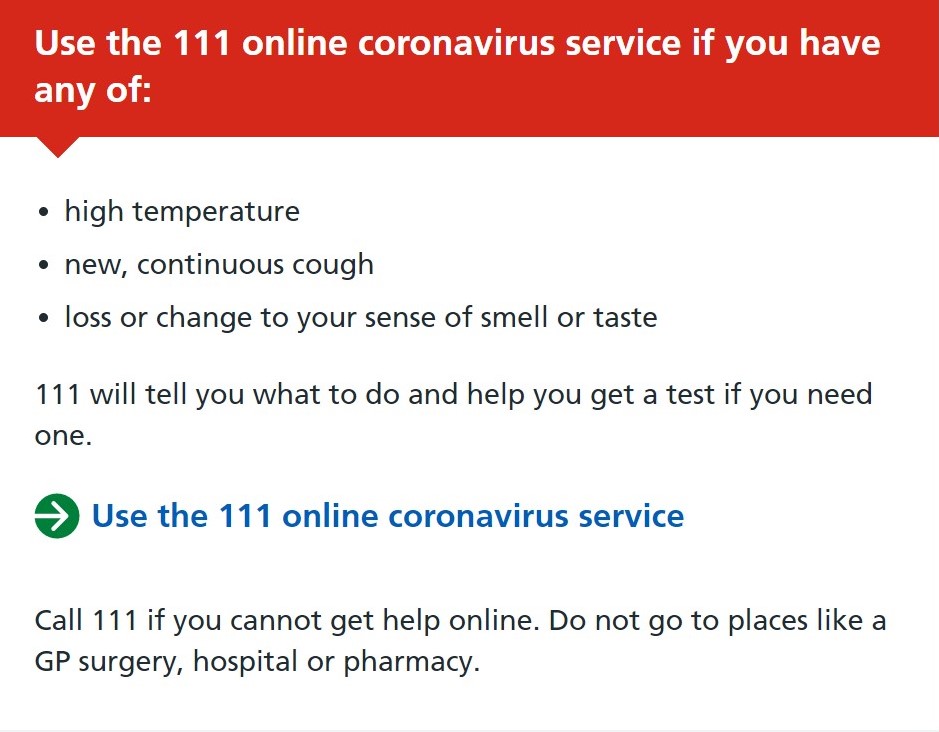
If you have symptoms of respiratory tract infections such as fever and cough, rest at home, reduce outings and travel, and ventilate the room when the weather is fine. Wear masks when contacting others. Avoid taking sick to work, classes and parties.

Get medical attention in time

Returning from travel, if symptoms of respiratory tract infections such as fever and cough occur, you should choose the nearest hospital based on the condition and go to the hospital, wear a mask, and inform the doctor of similar patient or animal contact history, travel history, etc.