|
|---|
Let me share with you some of my personal opinion, in doing so here are my roll models: I have a great admiration for some of significant people in all sort of life through out the world, Human right, Justice, Equality, Spiritual above all freedome to the people. To mention a few, Martin L. King, Malcolm X, Nelson Mandela, Haile Selasse I, Mother Theresa, Gandi, etc... These people have contributed so much in their life and I do acknowledge their values. So I just went to shere with you or to refresh your mind the importance of these great personality.
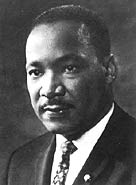 Martin Luther King (1929 - 1968) King was born in Atlanta, Georgia. His father was pastor of a Baptist church, his mother a schoolteacher. Originally named Michael, he was renamed Martin when he was about six years old.
He entered Morehouse College in 1944, and here he met Dr Benjamin Mays, a scholar who encouraged him to enter the ministry. After graduating in 1948, King went to Crozer Religious Seminary to undertake post-graduate study. He received his doctorate in 1955.
Returning to the South to become pastor of the Dexter Avenue Baptist Church in Montgomery, Alabama, King first achieved national renown when he helped mobilise the black boycott of the Montgomery bus system in 1955. The boycott was organised after Rosa Parks, a black woman, refused to give up her seat on the bus to a white man, as local custom dictated - in the segregated South, black people were only permitted to sit at the back of the bus. The 382-day boycott led the bus company to change its regulations, and the Supreme Court declared such segregation unconstitutional.
In 1957 King was active in the organisation of the Southern Leadership Christian Conference (SCLC), formed to co-ordinate civil rights protests against discrimination, and he was elected president. He advocated non-violent direct action modelled on the methods of Mahatma Gandhi, who led the protests against British rule in India that culminated in India's independence in 1947.
he participated in the enormous civil rights march on Washington of August 1963.
It was here, at this huge demonstration, that King delivered his famous 'I have a dream' speech, where he foresaw a day that the promise of freedom and equality for all would become a reality in America. In 1964 he was awarded the Nobel Peace Prize. In 1965 the US Congress passed the Voting Rights Act that outlawed the discriminatory practices that had barred blacks from voting in the South. However, his crusade on behalf of the poor had only just begun when he was assassinated on 4 April 1968, in Memphis, Tennessee.
In 1969 his wife, Coretta Scott King, opened the Martin Luther King Jr Center for non-violent Social Change. Despite being investigated and bugged by the Federal Bureau of Investigation (FBI) during his career as a civil rights leader, King is now acknowledged as an American hero, and in 1983 Congress made his birthday, 15 January, a national holiday in his honour. (www.thekingcenter.org)
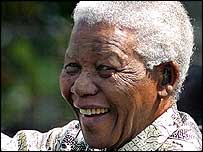 Mandela, Nelson Rolihlahla was born in July 18, 1918, Mvezo, South Africa), ex-president of South Africa, winner of the Nobel Peace Prize, and former head of the African National Congress.
The first black president of South Africa, Nelson Mandela became a worldwide symbol of the injustice of his country's apartheid system. Imprisoned for more than 27 years, and before that banned from all public activity and hunted by police for nearly a decade, Mandela led a struggle for freedom that mirrored that of his black countrymen. After his 1990 release from the Robben Island prison, his work to end apartheid won him the 1993 Nobel Peace Prize (which he shared with South African President F. W. de Klerk) and then the presidency itself a year later.
Mandela said, he learned that "a leader ... is like a shepherd. He stays behind the flock, letting the most nimble go on ahead, whereupon the others follow, not realizing that all along they are being directed from behind." -
Of his decision to join the ANC in 1943, Mandela was charged with treason and in 1964 was sentenced to life in prison without the possibility of parole.
On February 11, 1990, he announced Mandela's release from prison.
Freedom brought new challenges. During his imprisonment, Mandela's wife, Winnie Madikizela-Mandela (whom he had married in 1958 following the end of his first marriage),
The couple, who have two daughters (Mandela has three older children from his first marriage) separated in 1992.
Mandela succeeded Oliver Tambo as president of the ANC in 1992. With black South Africans voting for the first time in their lives, the ANC won handily, and Mandela was inaugurated as president on May 10, 1994. In 1997 Mandela, who has always indicated that he would not run for reelection in 1999, stepped down as ANC leader, and was succeeded by Thabo Mbeki. Nelson Mandela remains one of the world's most revered statesman, who led the struggle to replace the apartheid regime of South Africa with a multi-racial democracy.
Mandela, Nelson Rolihlahla was born in July 18, 1918, Mvezo, South Africa), ex-president of South Africa, winner of the Nobel Peace Prize, and former head of the African National Congress.
The first black president of South Africa, Nelson Mandela became a worldwide symbol of the injustice of his country's apartheid system. Imprisoned for more than 27 years, and before that banned from all public activity and hunted by police for nearly a decade, Mandela led a struggle for freedom that mirrored that of his black countrymen. After his 1990 release from the Robben Island prison, his work to end apartheid won him the 1993 Nobel Peace Prize (which he shared with South African President F. W. de Klerk) and then the presidency itself a year later.
Mandela said, he learned that "a leader ... is like a shepherd. He stays behind the flock, letting the most nimble go on ahead, whereupon the others follow, not realizing that all along they are being directed from behind." -
Of his decision to join the ANC in 1943, Mandela was charged with treason and in 1964 was sentenced to life in prison without the possibility of parole.
On February 11, 1990, he announced Mandela's release from prison.
Freedom brought new challenges. During his imprisonment, Mandela's wife, Winnie Madikizela-Mandela (whom he had married in 1958 following the end of his first marriage),
The couple, who have two daughters (Mandela has three older children from his first marriage) separated in 1992.
Mandela succeeded Oliver Tambo as president of the ANC in 1992. With black South Africans voting for the first time in their lives, the ANC won handily, and Mandela was inaugurated as president on May 10, 1994. In 1997 Mandela, who has always indicated that he would not run for reelection in 1999, stepped down as ANC leader, and was succeeded by Thabo Mbeki. Nelson Mandela remains one of the world's most revered statesman, who led the struggle to replace the apartheid regime of South Africa with a multi-racial democracy.
On his 80th birthday on July 18, 1998, Mandela married his longtime friend, Graça Machel, the widow of Mozambican president Samora Machel. In September 1998 Mandela received the Congressional Gold Medal in a ceremony at the U.S. Capitol. He was the first African to
receive this award.
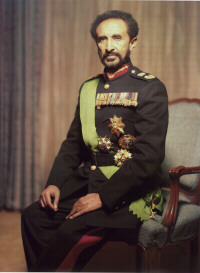 Haile Selassie I, was born in July 23, 1892, Ejarsa Goro, Ethiopia; died
in August 27, 1975, Addis Ababa. The last emperor of Ethiopia.
Haile Selassie was born Lij Tafari Makonnen to Ras (Prince) Makonnen - the governor of Harer Province and a cousin, close friend, and adviser to Emperor Menelik II - and Yishimabet Ali. Young Tafari received a traditional religious education from Ethiopian Orthodox priests, who also taught him French.
Tafari proved his ability and responsibility in 1905 at the age of 13 when his father appointed him governor of one of the regions of Harer Province.
Menelik rewarded Tafari's success by giving him a larger province to govern in 1908.
Upon Menelik's death in 1913, his grandson Lij Yasu became emperor. Yasu, however, was considered too sympathetic toward Islam, which offended the dominant Amhara Christians. They began to see Tafari as their champion. In 1916 he and his supporters deposed Yasu and installed Menelik's daughter, Zawditu, reputedly Ethiopia's first empress. Tafari assumed the title of ras and served as her regent and heir apparent.
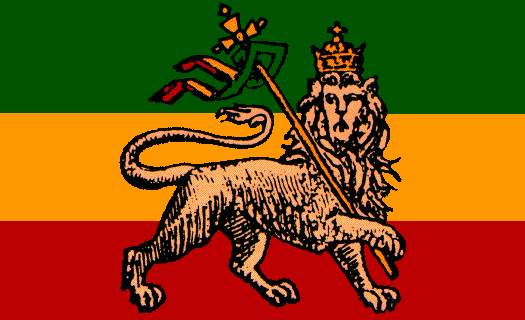
Tafari brought his modernization plan to the national level. In 1919 he created a centralized bureaucracy; two years later he installed the first courts of law. In 1923 he engineered a foreign affairs coup by securing Ethiopia's entry into the League of Nations. By 1928 his support was so strong that was able to pressure the empress to name him negus (king). Upon Zawditu's death in 1930, Tafari assumed the throne under his baptismal name, Haile Selassie I (Power of the Trinity). The coronation of Tafari, whose Dynasty claimed descent through Lebna Dengel from the biblical King Solomon, inspired Jamaican followers of Marcus Garvey to found a new religion, known as Rastafarianism, that idolized the emperor.
In 1931 Selassie introduced Ethiopia's first constitution, which proclaimed all Ethiopians equal under the law and the emperor, and established a parliament with a popularly elected lower house. In 1935, however, Italian forces invaded Ethiopia. Although Selassie attempted to rally his forces, they proved no match for the better-equipped Italians. When defeat appeared certain, Selassie gave an impassioned speech before the League of Nations, pleading for help. None came, and in 1936 Selassie fled to exile in Great Britain.
During World War II Selassie helped the British liberate Ethiopia, and in 1941 a joint force of British soldiers and Ethiopian exiles restored Selassie to the throne. He spent much of the next decade rebuilding the country. He expanded Western education, in part by founding the country's first university, improved health care, and expanded the transportation
network, but he focused on foreign policy, ignoring the increasing domestic problems that faced Ethiopia. Selassie commanded great respect throughout Africa as an elder statesman, embraced Pan-Africanism, and sought African unity. To that end, he was instrumental in establishing the Organization of African Unity (OAU), which was later headquartered in Addis Ababa.
Troubles at home demanded Selassie's attention, however. In 1962 the province of Eritrea sought independence from Ethiopia and Eritrean rebels took up armed struggle. The educated elite, seeking democratic reforms and jobs, began to demonstrate to demand change. A student protest in 1969 ended
badly. Continuing economic problems, high unemployment, and famine caused by prolonged drought led Ethiopians to demonstrate for higher wages and against the continuing economic woes. A military contingent led by junior officers deposed Selassie on September 12, 1974, after a gradual, bloodless coup. Selassie stepped down and was held under house arrest until his death on August 27, 1975.
Haile Selassie I, was born in July 23, 1892, Ejarsa Goro, Ethiopia; died
in August 27, 1975, Addis Ababa. The last emperor of Ethiopia.
Haile Selassie was born Lij Tafari Makonnen to Ras (Prince) Makonnen - the governor of Harer Province and a cousin, close friend, and adviser to Emperor Menelik II - and Yishimabet Ali. Young Tafari received a traditional religious education from Ethiopian Orthodox priests, who also taught him French.
Tafari proved his ability and responsibility in 1905 at the age of 13 when his father appointed him governor of one of the regions of Harer Province.
Menelik rewarded Tafari's success by giving him a larger province to govern in 1908.
Upon Menelik's death in 1913, his grandson Lij Yasu became emperor. Yasu, however, was considered too sympathetic toward Islam, which offended the dominant Amhara Christians. They began to see Tafari as their champion. In 1916 he and his supporters deposed Yasu and installed Menelik's daughter, Zawditu, reputedly Ethiopia's first empress. Tafari assumed the title of ras and served as her regent and heir apparent.
Tafari brought his modernization plan to the national level. In 1919 he created a centralized bureaucracy; two years later he installed the first courts of law. In 1923 he engineered a foreign affairs coup by securing Ethiopia's entry into the League of Nations. By 1928 his support was so strong that was able to pressure the empress to name him negus (king). Upon Zawditu's death in 1930, Tafari assumed the throne under his baptismal name, Haile Selassie I (Power of the Trinity). The coronation of Tafari, whose Dynasty claimed descent through Lebna Dengel from the biblical King Solomon, inspired Jamaican followers of Marcus Garvey to found a new religion, known as Rastafarianism, that idolized the emperor.
In 1931 Selassie introduced Ethiopia's first constitution, which proclaimed all Ethiopians equal under the law and the emperor, and established a parliament with a popularly elected lower house. In 1935, however, Italian forces invaded Ethiopia. Although Selassie attempted to rally his forces, they proved no match for the better-equipped Italians. When defeat appeared certain, Selassie gave an impassioned speech before the League of Nations, pleading for help. None came, and in 1936 Selassie fled to exile in Great Britain.
During World War II Selassie helped the British liberate Ethiopia, and in 1941 a joint force of British soldiers and Ethiopian exiles restored Selassie to the throne. He spent much of the next decade rebuilding the country. He expanded Western education, in part by founding the country's first university, improved health care, and expanded the transportation
network, but he focused on foreign policy, ignoring the increasing domestic problems that faced Ethiopia. Selassie commanded great respect throughout Africa as an elder statesman, embraced Pan-Africanism, and sought African unity. To that end, he was instrumental in establishing the Organization of African Unity (OAU), which was later headquartered in Addis Ababa.
Troubles at home demanded Selassie's attention, however. In 1962 the province of Eritrea sought independence from Ethiopia and Eritrean rebels took up armed struggle. The educated elite, seeking democratic reforms and jobs, began to demonstrate to demand change. A student protest in 1969 ended
badly. Continuing economic problems, high unemployment, and famine caused by prolonged drought led Ethiopians to demonstrate for higher wages and against the continuing economic woes. A military contingent led by junior officers deposed Selassie on September 12, 1974, after a gradual, bloodless coup. Selassie stepped down and was held under house arrest until his death on August 27, 1975.
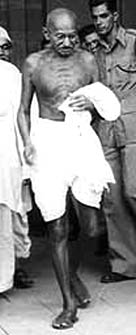 Mohandas Gandhi (1869 - 1948)
Mohandas Gandhi Otherwise known as Mahatma ('Great-Soul'), Gandhi was the leader of the Indian nationalist movement against British rule, and is widely considered the father of his country. During his political career, he won wide approval for his doctrine of non-violent protest to achieve political and social progress.
After university, Gandhi went to London to train as a barrister. There he met English socialists and Fabians such as George Bernard Shaw, whose ideas contributed greatly to the shaping of his personality and politics. He returned to India in 1891, then accepted a job at an Indian law firm in South Africa.
Racial intolerance there saw him evicted from train carriages, barred from hotels and beaten up. He became more assertive, and began educating fellow Indians in South Africa on their rights. In 1894 he opposed a bill that would deprive Indians of their right to vote, and rapidly became a proficient political activist. While unable to stop the bill, he succeeded in attracting widespread attention to his cause.
While in South Africa, Gandhi developed the satyagraha ('devotion to truth'), a new non-violent way to redress wrongs. The campaign lasted for over seven years.
By 1920, Gandhi dominated Indian politics. He transformed the Indian National Congress, and his programme of peaceful non co-operation with the British included boycotts of British goods and institutions, leading to arrests of thousands of the satyagrahis - all cheerfully lining up for prison, for defying British laws.
In March 1922, however, he was sentenced to six years' imprisonment. He was released after two years, but by then the political landscape had changed dramatically. In 1931 he attended the Round Table Conference, in London, as the sole representative of the Indian National Congress, but resigned from the party in 1934 in protest at its use of non-violence as a political expedient.
The new Labour Government in Britain from 1945 brought negotiations, and these culminated in the Mountbatten Plan of June 1947, and the formation of the two new dominions of India and Pakistan in mid-August.
The country, however, was split. Killings and riots raged between Hindus and Muslims. Gandhi's appeals for calm were ignored, and so he began fasting. This stopped the riots in Calcutta in September, and in Delhi in January 1948 - but only days later, Gandhi was shot dead in Delhi by Nathuram Godse, a young Hindu fanatic.
Indigenous Australians:
 The Aboriginal Flag is divided horizontally into equal halves of black (top) and red (bottom), with a yellow circle in the centre.
The black symbolises Aboriginal people and the yellow represents the sun, the constant re-newer of life. Red depicts the earth and peoples' relationship to the land. It also represents ochre, which is used by Aboriginal people in ceremonies.
The Indigenous Australians are the first inhabitants of the Australian continent and its nearby islands, continuing their presence during European settlement. The term includes the various indigenous peoples commonly known as Aborigines, whose traditional lands extend throughout mainland Australia, Tasmania and numerous offshore islands, and also the Torres Strait Islanders whose lands are centred on the Torres Strait Islands which run between northernmost Australia and the island of New Guinea.
It is believed that first human migration to Australia was achieved when this landmass earlier formed part of the Sahul continent, connected to the island of New Guinea via a land bridge. It is also possible that people came by boat across the Timor Sea. The exact timing of the arrival of the ancestors of the Indigenous Australians has been a matter of dispute among archaeologists. The most conservative widely-accepted timeline for first arrival is between 40,000 - 50,000 years BP. This means there have been more than 1250 generations in Australia. A 48,000 BC date is based on a few sites in northern Australia dated using thermoluminescence.
At the time of first European contact, it is estimated that between 250,000 and 1 million people lived in Australia. Population levels are likely to have been largely stable for many thousands of years. The common perception that Aborigines were primarily desert dwellers is in fact false: the regions of heaviest indigenous population were the same temperate coastal regions that are currently the most heavily populated. The greatest population density was to be found in the southern and eastern regions of the continent, the Murray River valley in particular. However Indigenous Australians maintained successful communities throughout Australia, from the cold and wet highlands of Tasmania to the more arid parts of the continental interior. In all instances, technologies, diets and hunting practices varied according to the local environment.
In 1770, Captain James Cook took possession of the east coast of Australia and named it New South Wales in the name of Great Britain. British colonisation of Australia, which began in 1788, was catastrophic for Indigenous Australians. This was true regardless of the good intentions or otherwise of colonial governors and settlers. The most immediate consequence of British settlement was a wave of European epidemic diseases. The second consequence of British settlement was appropriation of land and water resources. The settlers took the view that the Indigenous Australians were nomads who could be driven off land wanted for farming or grazing and who would be just as happy somewhere else. In fact the loss of traditional lands, food sources and water resources was usually fatal, particularly to communities already weakened by disease. Proximity to settlers also brought venereal disease, which greatly reduced indigenous fertility and birthrates, and alcohol, to which Indigenous Australians had no tolerance. Substance abuse has remained a chronic problem for indigenous communities ever since. The combination of disease, loss of land and direct violence reduced the Aboriginal population by an estimated 90% between 1788 and 1900
Indigenous Australians were given the right to vote in Commonwealth elections in Australia in 1962, and in state elections shortly after, with the last state to do this being Queensland in 1965. The 1967 referendum passed in Australia with a 90% majority which allowed the Commonwealth to make laws with respect to Aboriginal people, and for Aboriginal people to be included when the country does a count to determine electoral representation. This has been the largest affirmative vote in the history of Australia's referendums.
Population
As at June 2001, the Australian Bureau of Statistics estimated the total resident indigenous population to be 458,520 (2.4% of Australia's total), 90% of whom identified as Aboriginal, 6% Torres Strait Islander and the remaining 4% being of dual Aboriginal and Torres Strait Islander parentage
Unsolved Problems:
As continuing efforts fail to address the problem, it has become clear that there is no simple single cause, and correspondingly no simple "quick fix". However, the following factors seem to be at least partially implicated such as discrimination, low income, poor education, substance abuse, remot location with poor access to health services, for urbanised Indigenous Australians social pressures which prevent access to health services, cultural differences resulting in poor communication between Indigenous Australians and health workers.
Successive Federal Governments, of both political hues, have responded to the problem by implementing programs such as the Office of Aboriginal and Torres Strait Islander Health (OATSIH). There have been some small successes, such as the reduction of infant mortality since the 1970's, effected by bringing health services into indigenous communities, but on the whole the problem remains unsolved.
Despite the severity of social and medical problems in the community, the focus of media coverage and government policy is currently not in the direction of reconciliation or improved funding, but rather, centres on the "inability of Aboriginals to help themselves", though this situation is ostensibly improving. The current and former governments have repeatedly refused to apologise to Aboriginal communities for policies such as that of The Stolen Generation. In addition, the representative body of the Aboriginals and Torres Strait Islanders, was disbanded by the current Howard government, with no future plans for a body for Aboriginal representation politically.
To be countinue...............
Amharic Sport Album EthioProfile Personal Home