 |
|
|
|
|
|
|
|
|
|
|
|
|
|
|
|
|
|
|
|
|
|
|
|
|
|
|
|
|
|
|
|
|
 |
|
 |
|
|
|
|
|
|
 |
|
|
|
|
|
|
 |
|
|
 |
|
|
|
|
|
|
|
|
|
|
|
|
|
|
Racial and Cultural Ideas (continued) |
|
 |
Home |
|
|
|
|
|
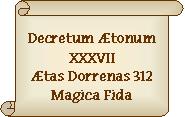
* AEtonism. Only divine magick cast by ordained AEtonist priest is allowed and sanctioned by the faith. All other casters of magick are considered to be heretics or demon worshippers and are to be punished severely, usually by being executed. The creation of the Illumination Council was based upon the desire to hunt down and eliminate heretics, and arcane spellcasters are on that list. Users of arcane magick in AEtonist controlled lands typically find |
|
|
|
|
|
|
|
World Primer |
|
|
|
|
|
|
|
|
|
Campaign Tools |
|
|
|
|
|
|
|
|
|
PC Builder |
|
|
|
|
|
|
it easier to stay out of the major urban areas and curtail their spellcasting when around unfamiliar folk. The official AEtonist position on magick was published in an edict issued by the Pontifex Rex, which states that priests of AEton receive the ability to heal or harm others directly from AEton and therefore is an AEtonist priest is able to cast a spell, it is AEton's will that he do so. |
|
|
|
|
 |
|
|
|
|
|
|
|
|
|
Religions |
|
|
|
|
|
|
|
|
|
|
|
Magick |
|
|
|
|
|
|
|
|
|
|
|
The Chronicles |
|
|
|
|
|
|
|
|
|
|
|
|
|
|
|
Contacts |
|
|
|
|
|
* Holism. The priesthood of the Hol is very interested in mystical studies, particularly with how combinations of certain numbers, symbols, and words can be used to create arcane magical effects. As such, they are open to the study of arcane magick and many of the higher levels in the priesthood are filled with multi-classed cleric/wizards. Sorcerers are thought to carry the blood of either Djinn or Ifrit in their veins. Those sorcerers who use their powers to eliminate corruption are respected as "touched by the Djinn" and are considered holy people by worshippers of the faith. A sorcerer who uses his powers for personal gain or to corrupt the innocent is feared as "stained by the Ifrit" and will be branded as one of the Corrupted.
* Bhuwani. The concept of magick is firmly interwoven into the tenets of the Bhuwani faith. The priesthood of Bhuwani is very open to the ideas of different types of magick intermingling and sees almost no difference between arcane and divine magick. Whether or not a person needs to study in ancient texts to gain access to spells is irrelevant; the important thing is how a person uses those spells during his lifetime. Astrology, astronomy, and divination are specialties of many elderly Bhuwani priests and many are multi-class cleric/wizards with a specialty in the Divination school of magick. Sorcerers, druids, and shamans also find a place within the Bhuwani faith, particularly in the healing path. The Rishin (priestly) caste in Verundhi, for example, can be from among any spellcasting classes. They are not limited solely to clerics. |
|
|
|
|
|
|
|
Resources |
|
|
|
|
|
|
|
|
|
Message Boards |
|
|
|
|
|
|
|
|
|
|
|
|
|
Legal & OGL |
|
|
|
|
|
|
|
|
|
Current Location: |
|
|
|
|
|
|
|
|
|
Magick3 |
|
|
|
|
|
|
|
|
|
|
|
|
|
 |
|
|
|
|
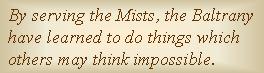
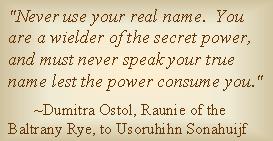
* The Dasidia. While humans as a general rule do not seem to have any widespread native magical traditions, among the Wanderers, or Dasidia, magick is an art practiced with great vigor. All tribes follow a |
|
|
|
|
|
|
|
|
|
system, but most revolve around the theory that magick is shaped by three forces, known as the Shadow, the Mists, and the Radiance. These forces "color" the magick cast by the Dasidia, and each tribe has aligned themselves to the fate of one of the forces. |
|
|
|
|
|
|
|
 |
|
|
|
|
|
* The Shagir. The dwarves of Samoth are not necessarily known for their magical ability, but the Shagir do keep their magical traditions. The two most common are those of Earth sorcery, practiced by wyrds focusing on the use of iron, stone, and jewels, and magick-item creation, something that the Shagir believe they were known for in the past and a tradition that |
|
|
|
|
|
|
|
|
they hope to reclaim in the future. Divine casters are much more common the Shagir than arcane casters. True nature casters in the form of druids are extremely rare among the Shagir.
* The eha-Alfr and the Purebloods. The eha-Alfr, or noble elves, that have assimilated with the rest of the modern civilized races are known to have a natural aptitude for magical study. The nobles elves are naturally curious by nature and have a strong desire to experience new ideas, cultures, and philosophies. As a consequence, the eha-Alfr have uncovered many pieces of magical lore in their travels, and some of the modern definitions and theories of magick come from studies and treatises prepared by noble elf wizards based upon the collections they have amassed over the centuries. The difference between the noble elf attitude about magick and the attitude of the Pureblood elves about the subject is profoundly different. The noble elves use magick as a way to experience new horizons of existence with little regard for the consequences of their actions. The purebloods, on the other hand, generally have a desire to cover up their magical studies, and some have vehemently denounced the study of magick as something that is best left alone. While the six pureblood elf subraces all have differing views on the subject of magick, there is no doubt that given the choice, the vast majority of pureblood elves believe that the modern races are not ready and not skilled enough to handle the use of magick without harmful side effects occurring. In particular, the Jade Elves have a tradition of martial arts training that involves protection against magical attacks. |
|
|
|
Return to: |
|
|
|
|
|
|
|
|
|
Magick2 |
|
|
|
|
|
|
|
|
|
Continue to: |
|
|
|
|
|
|
|
|
|
|
|
|
Magick4 |
|
|
|
|
|
|
|
|
|
|
|
|
This page contains no Open Game Content. Refer to the Open Game License for further details on Open Game Content and Product Identify. |
|
|
|
|
 |
|
|
|
|
|
|
Return to Homepage |
|
|
|
|
|
 |
|
|
|
|
|
|
|
|
|
|
|
|
|
|
|
|
|