|
|
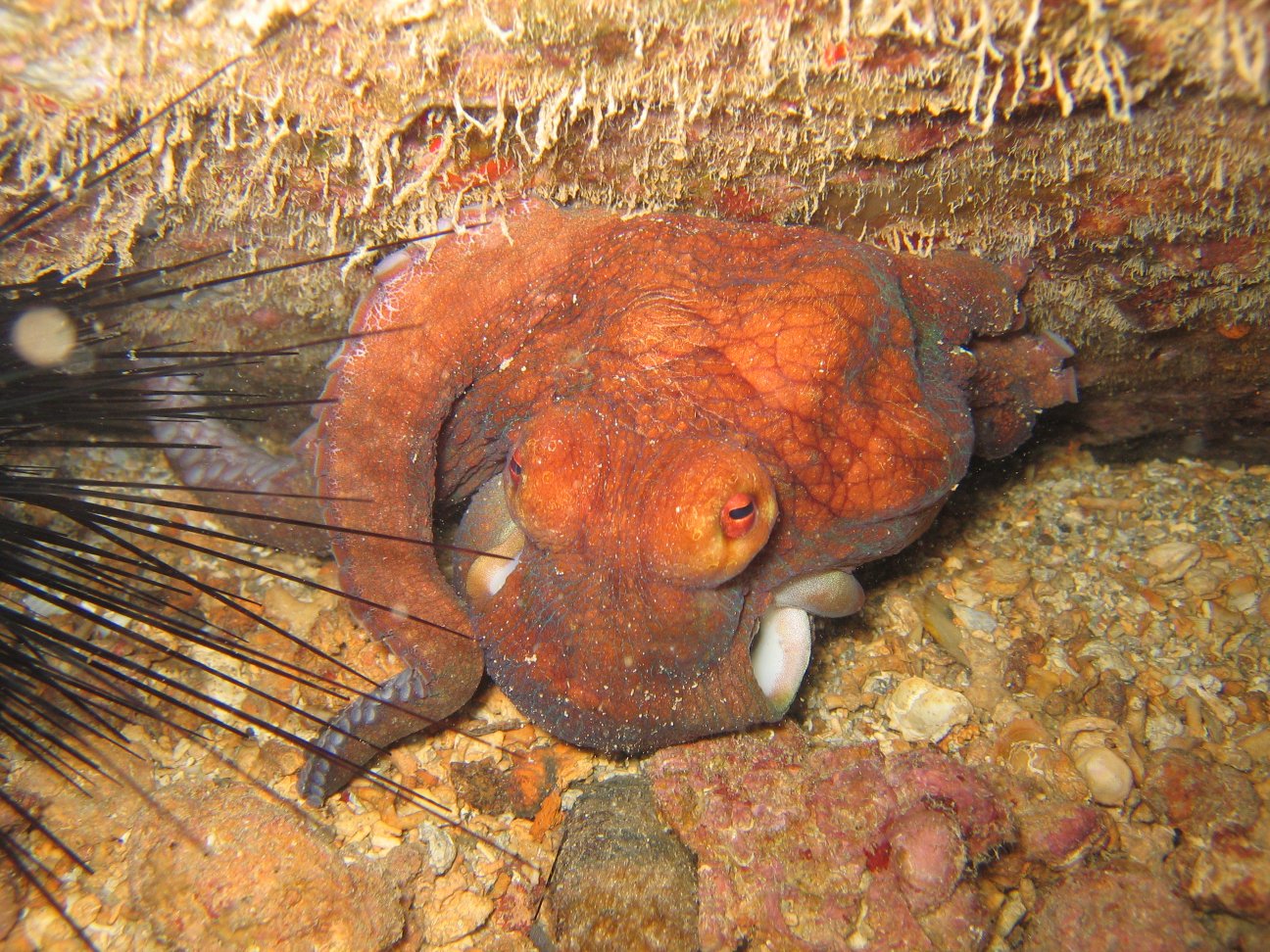
Common Octopus This octopus is differentiated from the Caribbean Reef Octopus by the absence of a dark ring around it's eye. It's skin is reticulated and can grow to a max of 3 feet. Commonly found in debris or grass beds and is the only octopus active during the day.
|
|
|
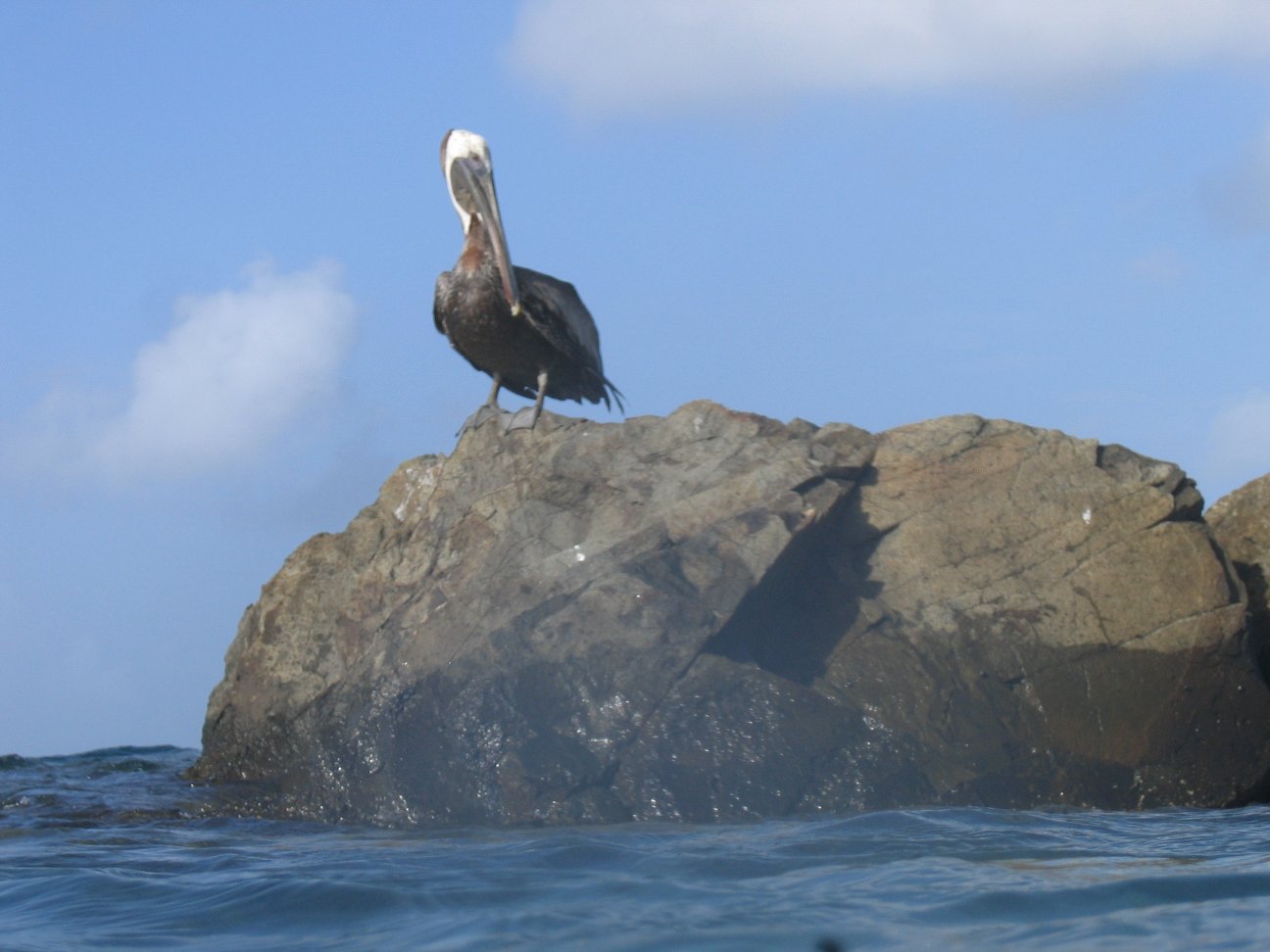
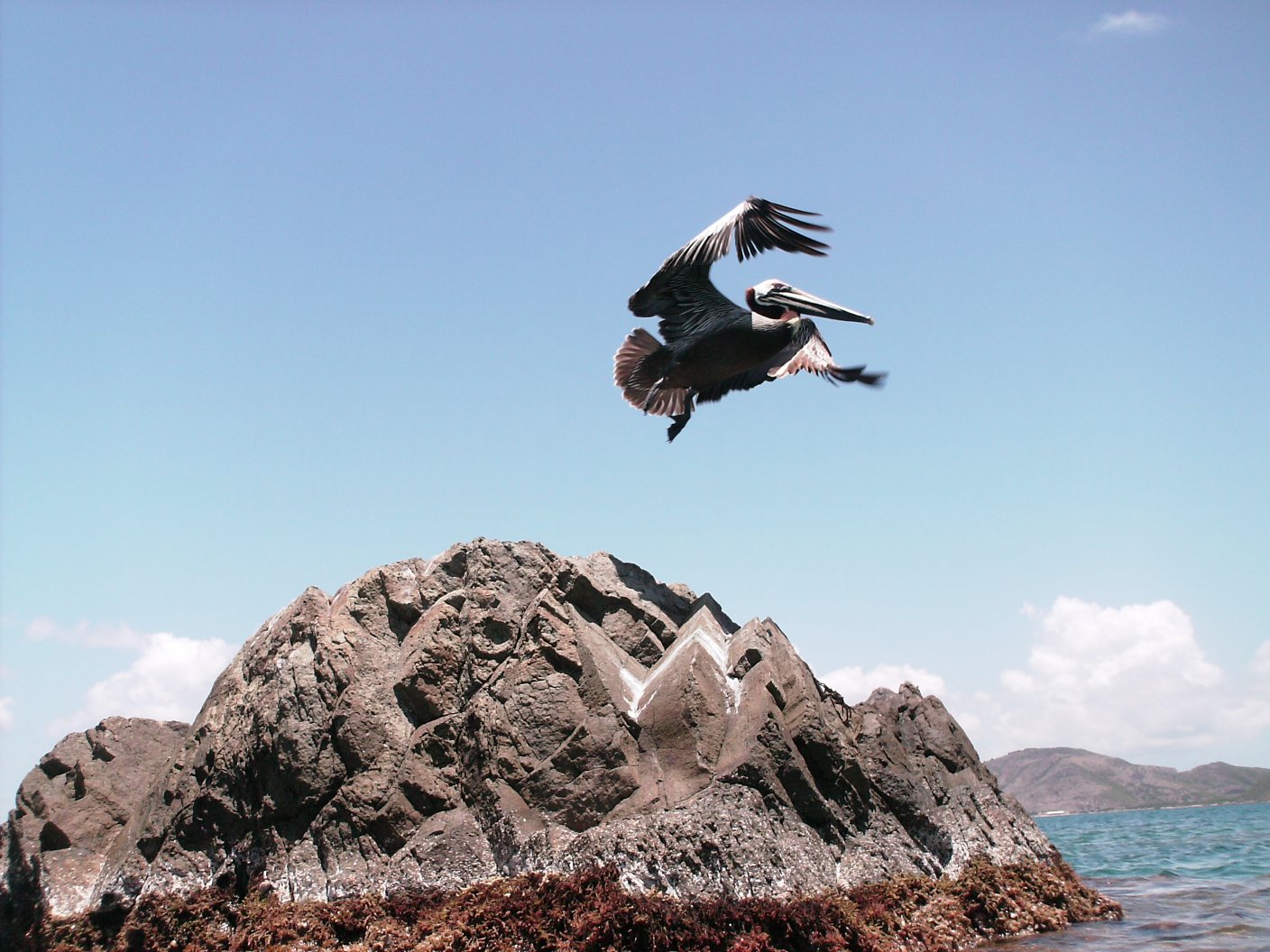
Brown Pelican |
|
|
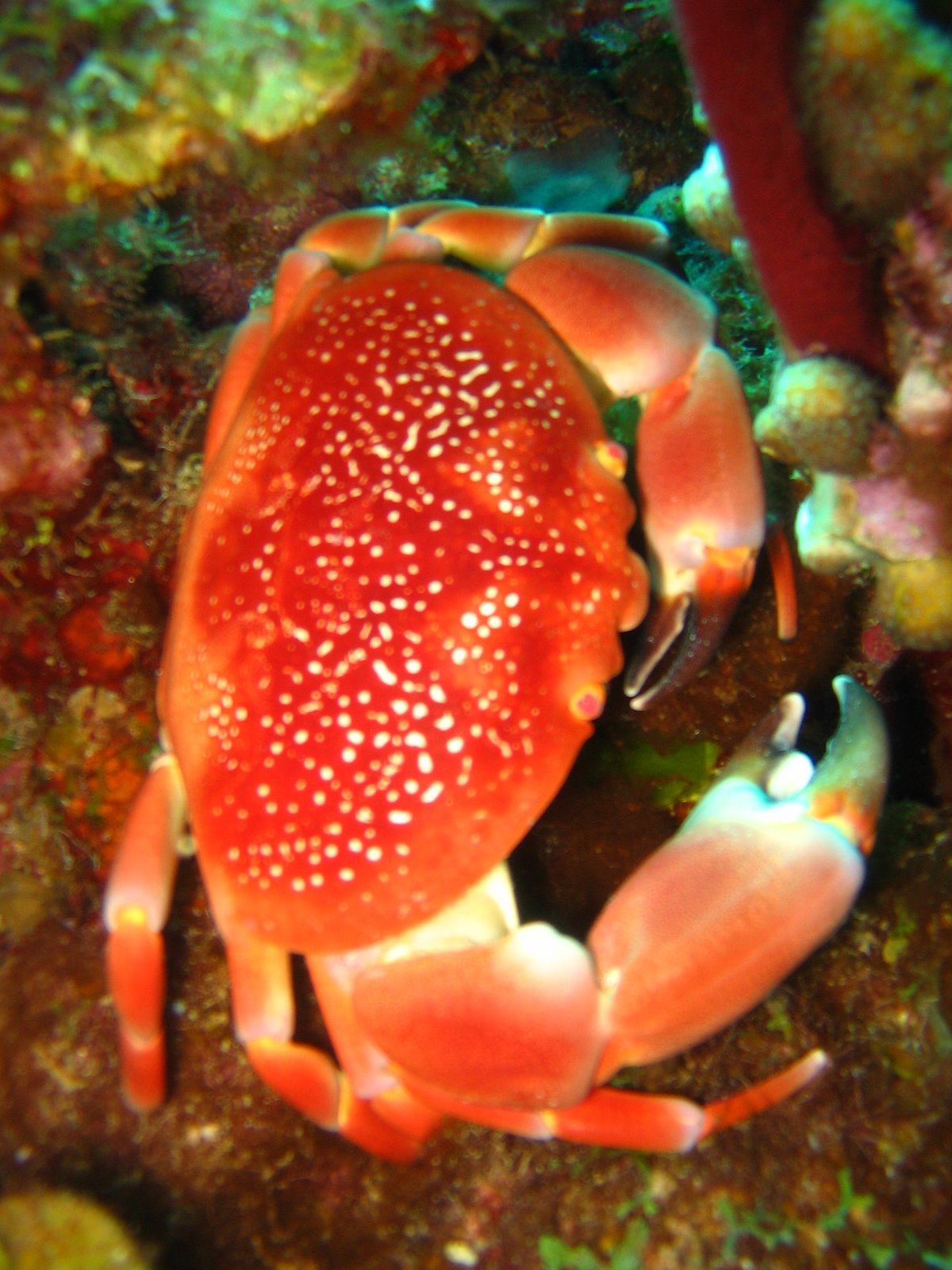
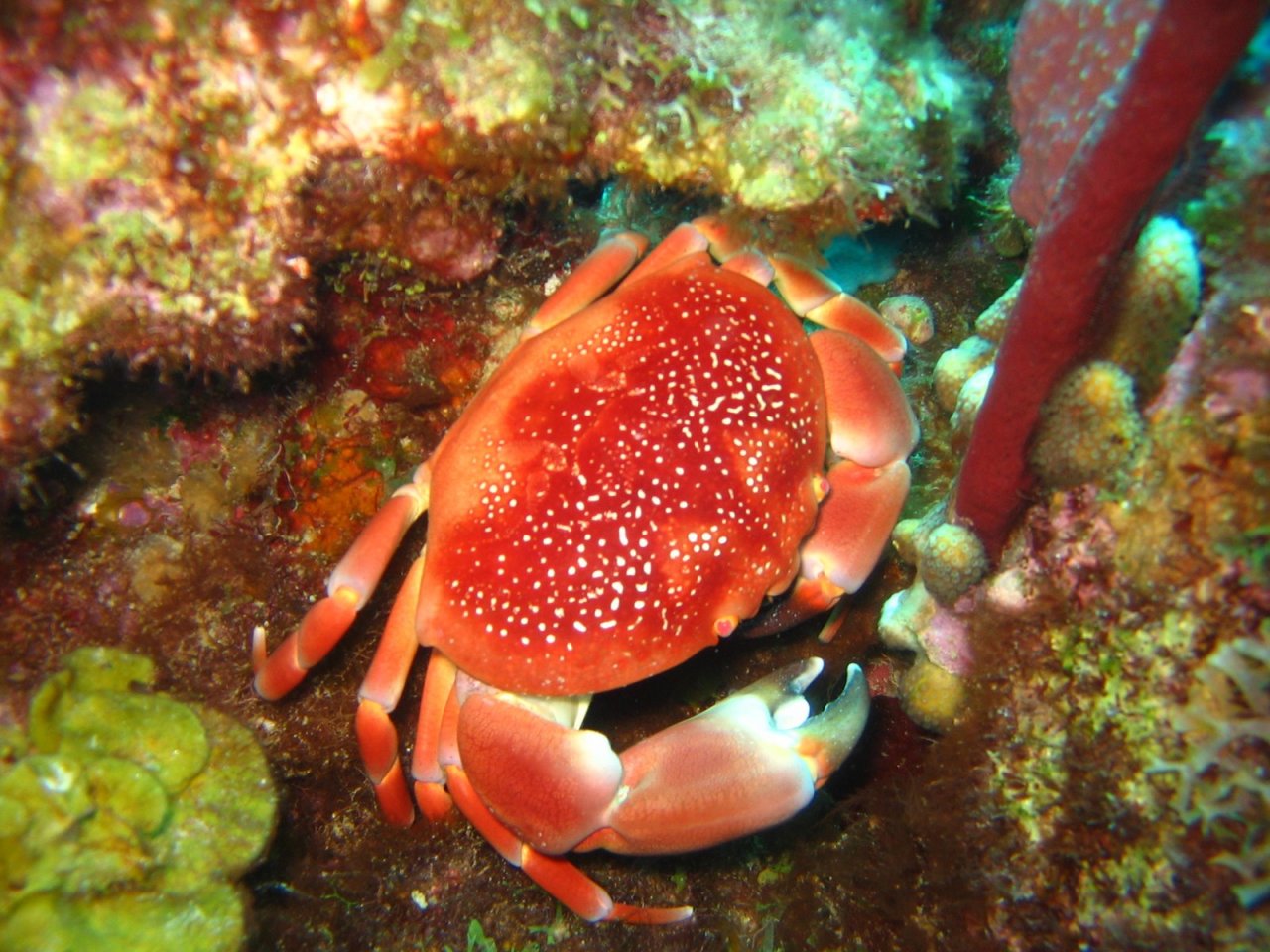
Batwing Coral Crab This crab has a smooth carapace in shades of orange, red, or brown. It is common in most of the Caribbean, but is over-harvested in many areas. Inhabiting shallow reefs it is mostly nocturnal and will escape into a recess when approached.
|
|
|
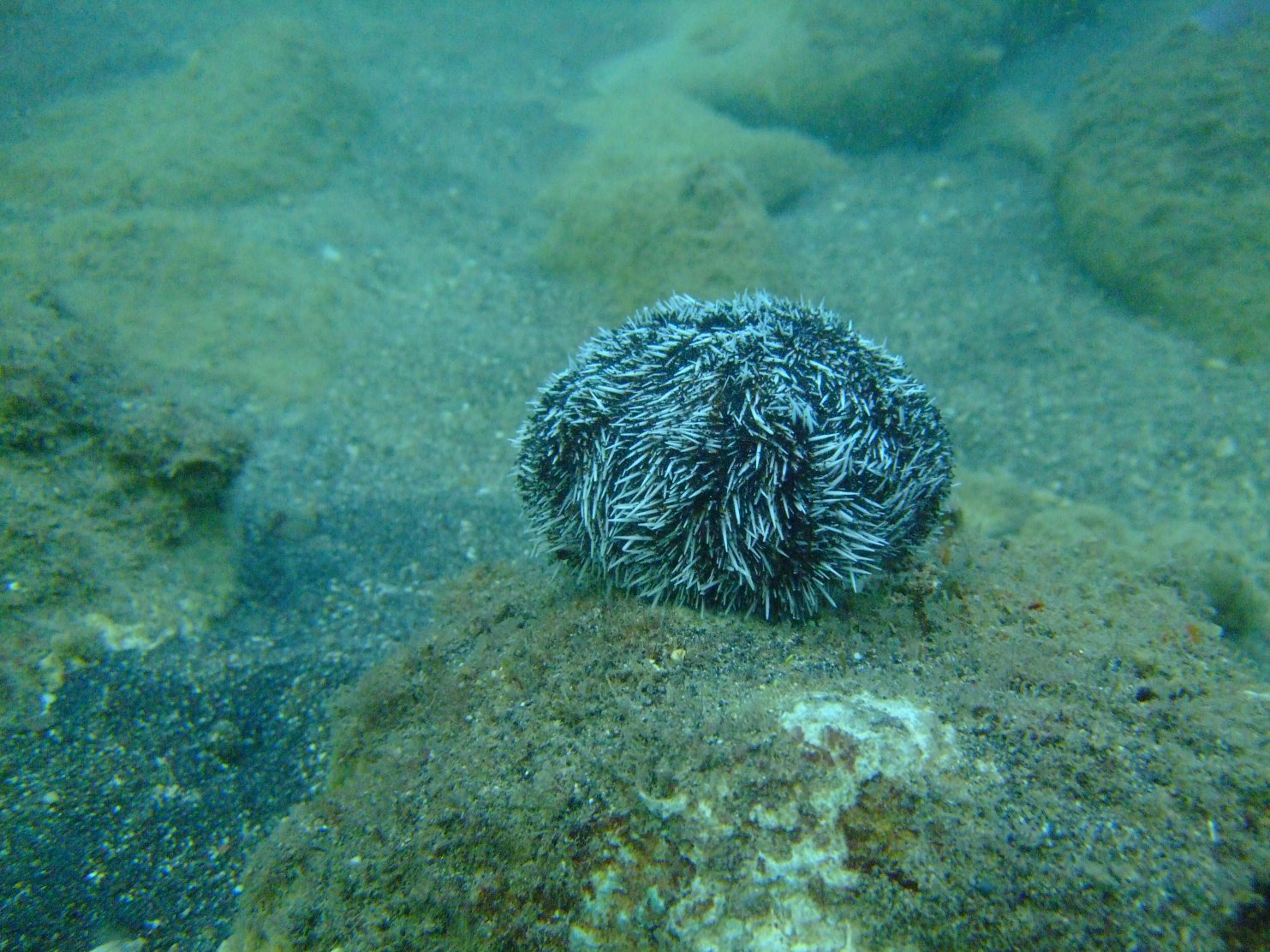
West Indian Sea Egg This is a common sea urchin in the area. It is black bodied and densely covered with short white spines growing up to 5 inches. Often harvested by natives who consume their roe.
|
|
|
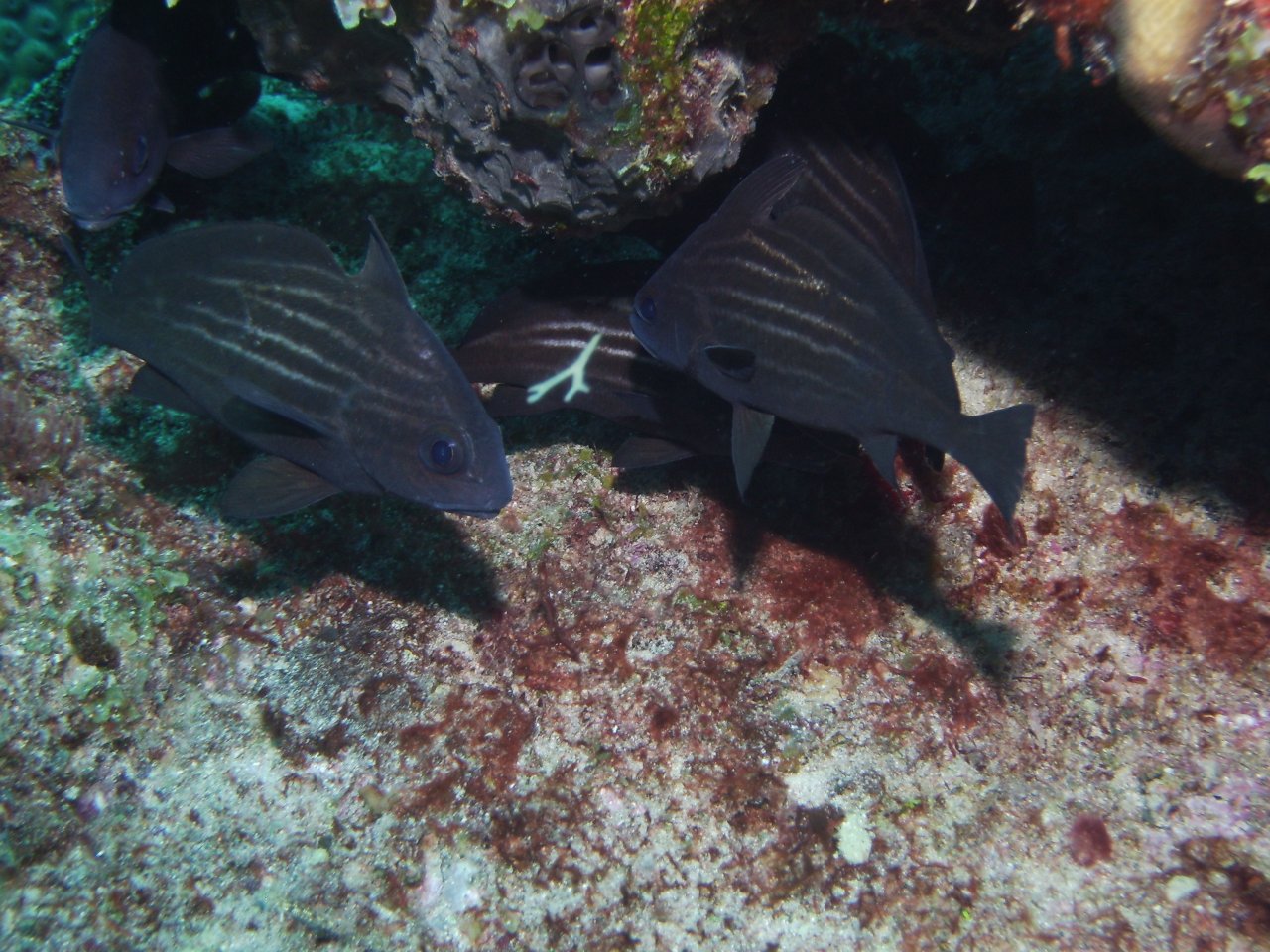
Highhat The local coloration is darker than that of the Northern specimins. It is fairly approachable feeling comfortable within the protected reef openings they inhabit.
|
|
|
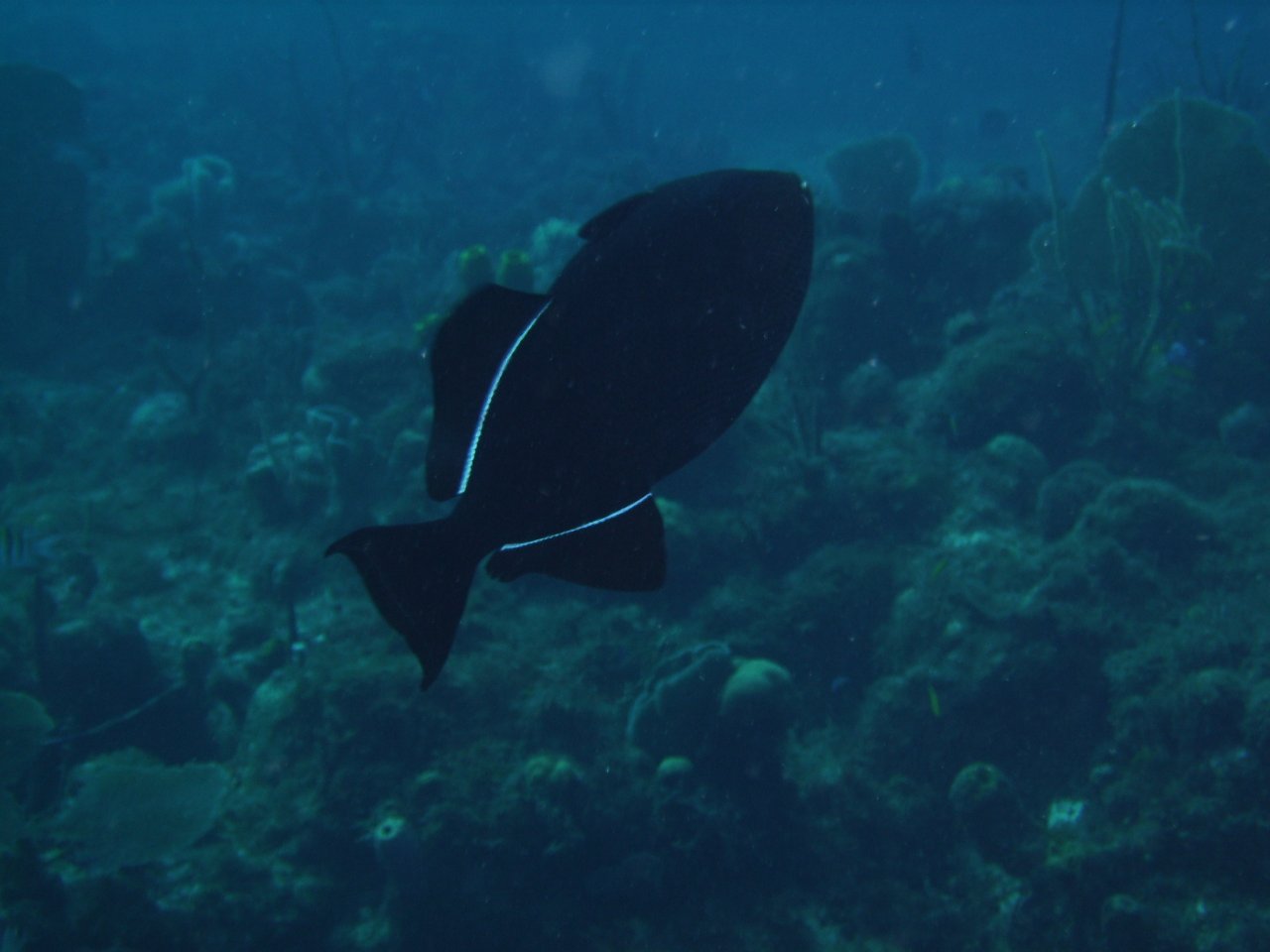
Black Durgon This is a very distinct triggerfish and is easily identifiable by the pale blue lines at the base of the dorsal and anal fins. The base color of the fish can change from dark blue to black. This is a wary fish and will keep divers at a distance.
|
|
|
Barred Hamlet This is the most common hamlet in the Caribbean. The bright blue vertical lines on head and snout are very distinctive. Wary, but can be closely approached in a slow non-threatening manner.
|
|
|
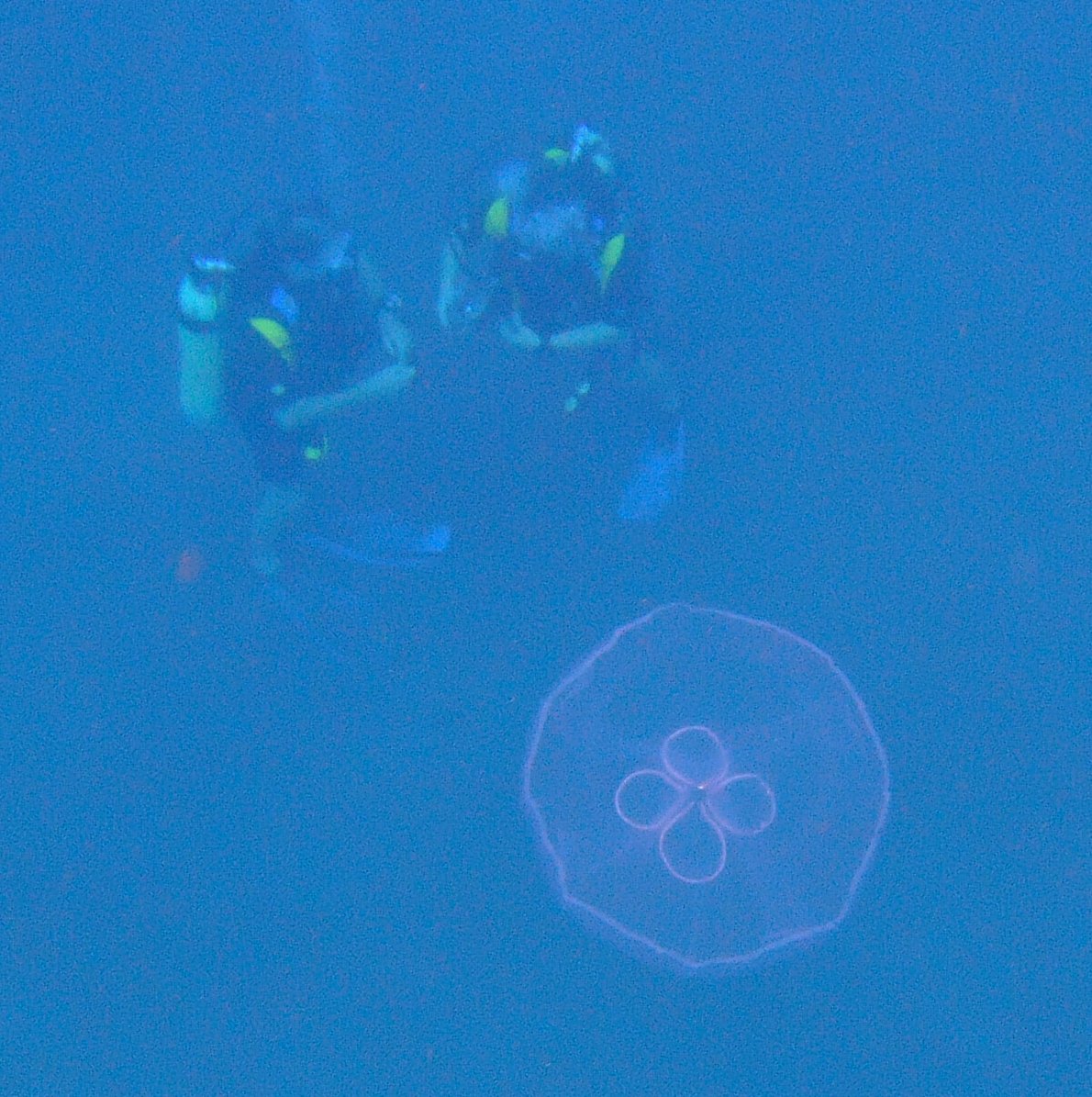
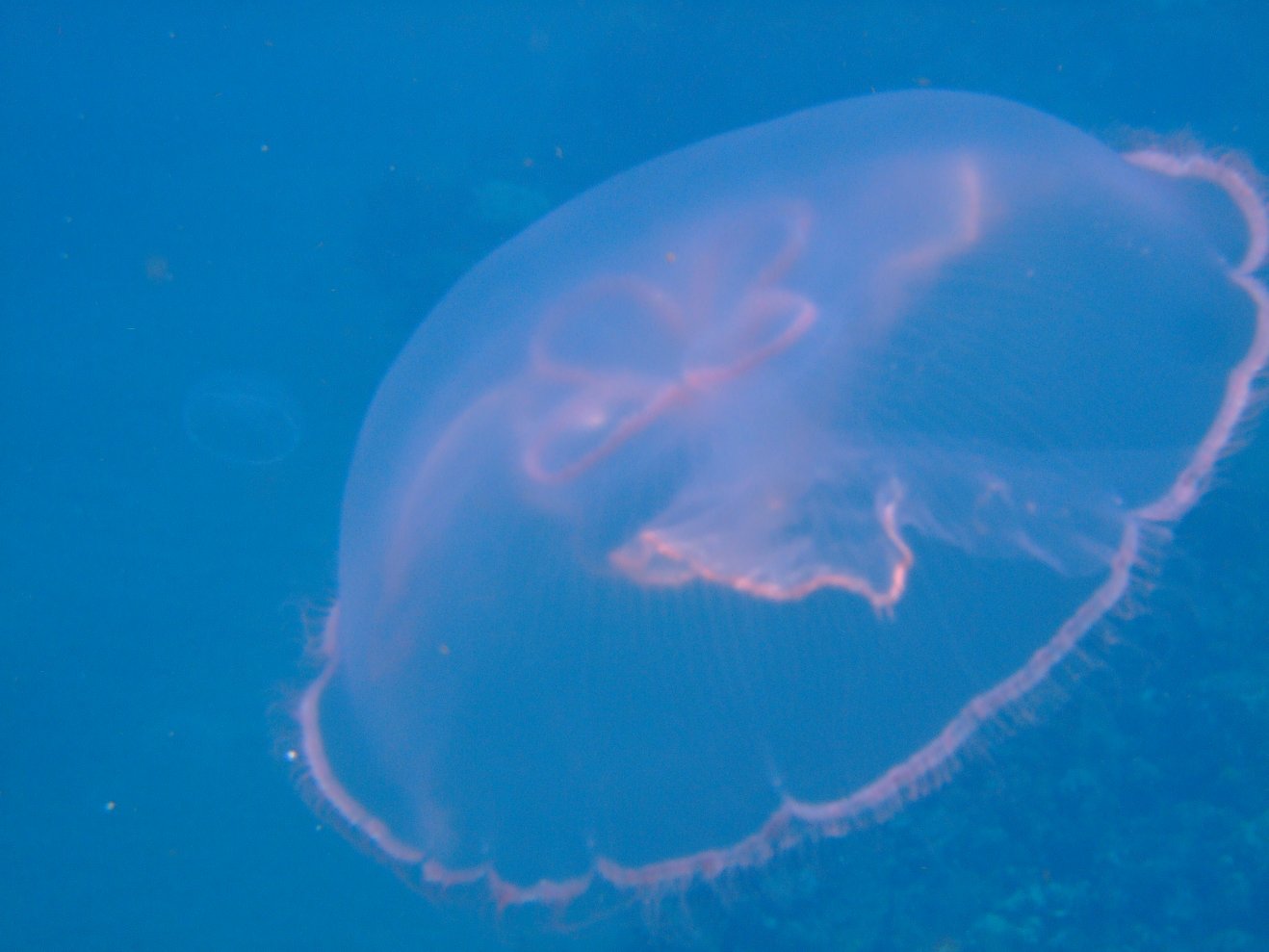
Moon Jelly This is a well known jelly that can reach up to 16 inches in diameter. The famous four-leaf clover shape in the middle is the jelly's reproductive organs. It is mildly toxic and will cause irritation to sensitive skin.
|
|
|
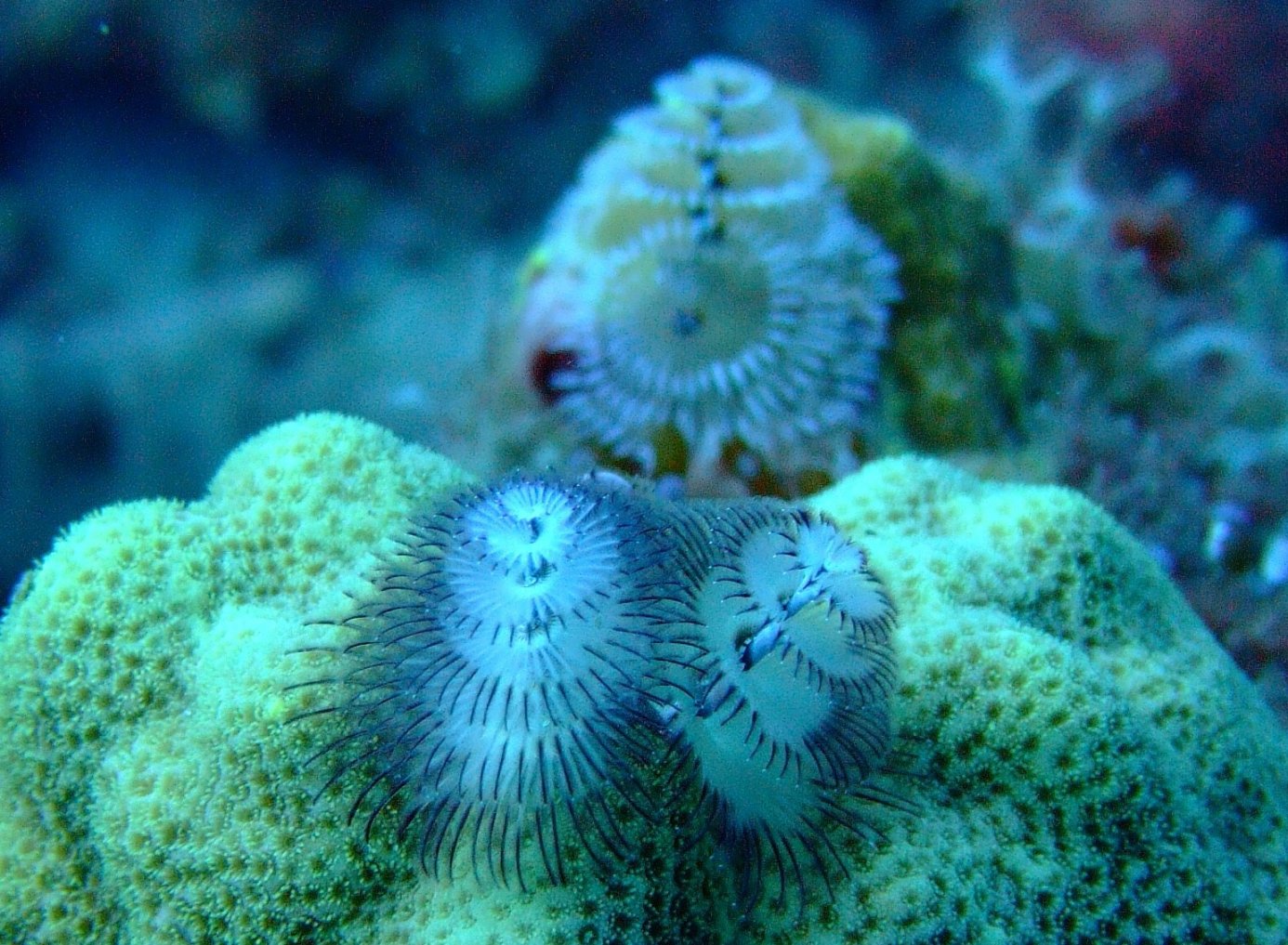
Christmas Tree Worm This is a common tube worm averaging only 1.5 inches and varying in color. It is shy and will quickly with draw when disturbed.
|
|
|
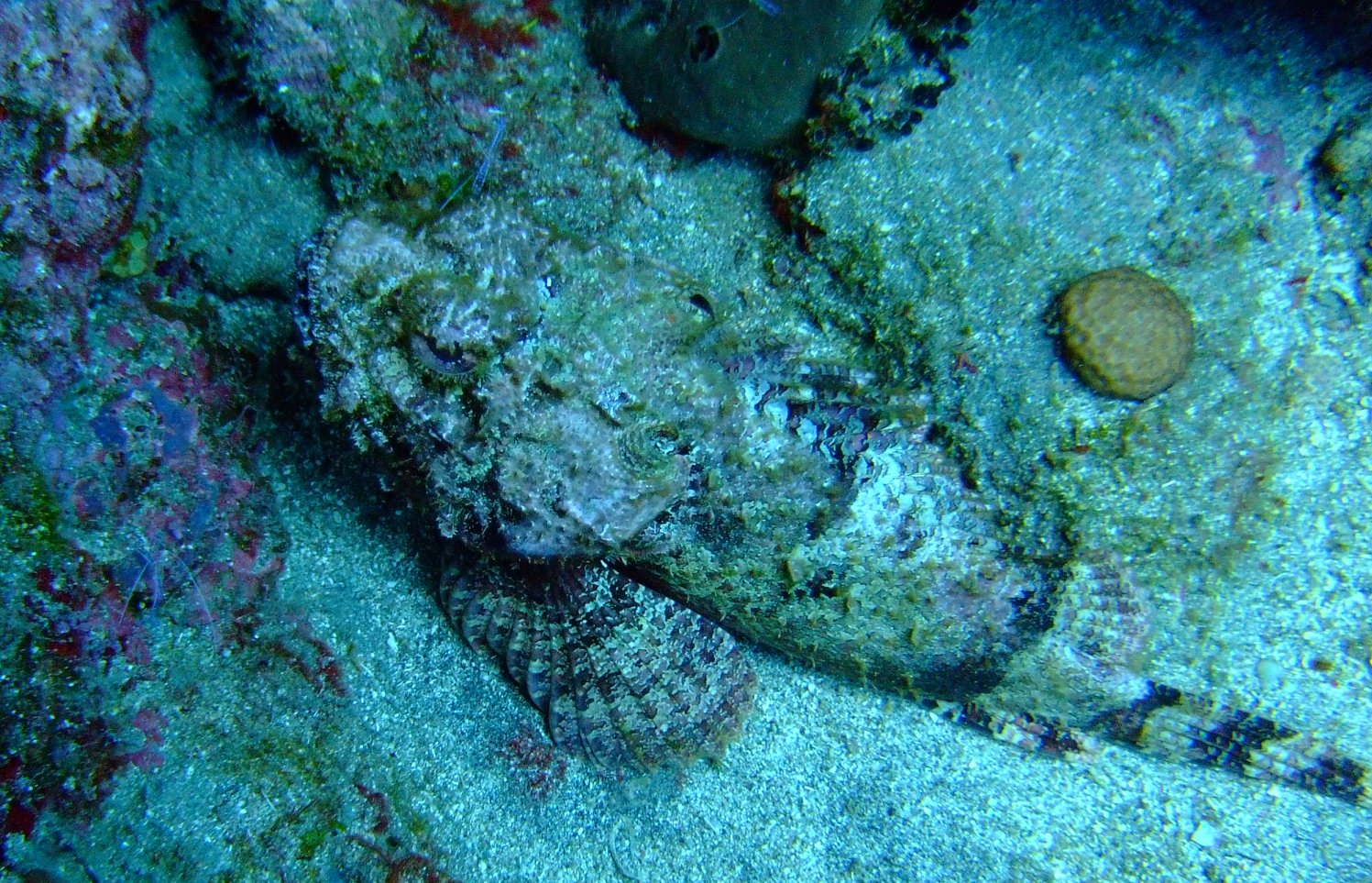
Spotted Scorpionfish This is a highly camouflaged fish that is distinguishable from other Scorpionfish by the three vertical bars on its tail. Like all scorpionfish the spines on the foredorsal fin can cause sever pain and illness. This fish relies on its camouflage and only moves if molested, so be careful when you kneel on the sand. (Look closely at the enlarged photo for the small cleaner shrimp.)
|
|
|
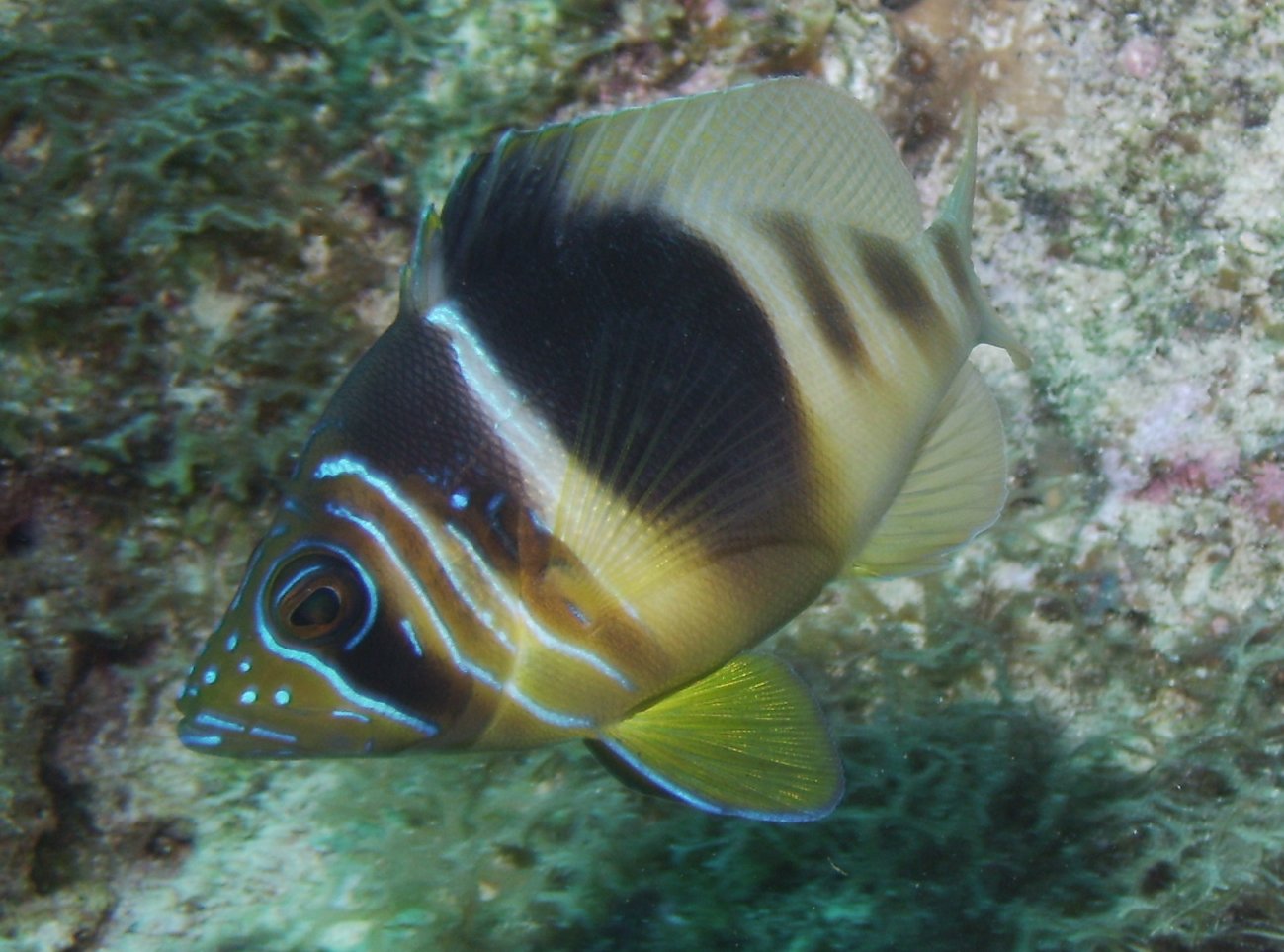
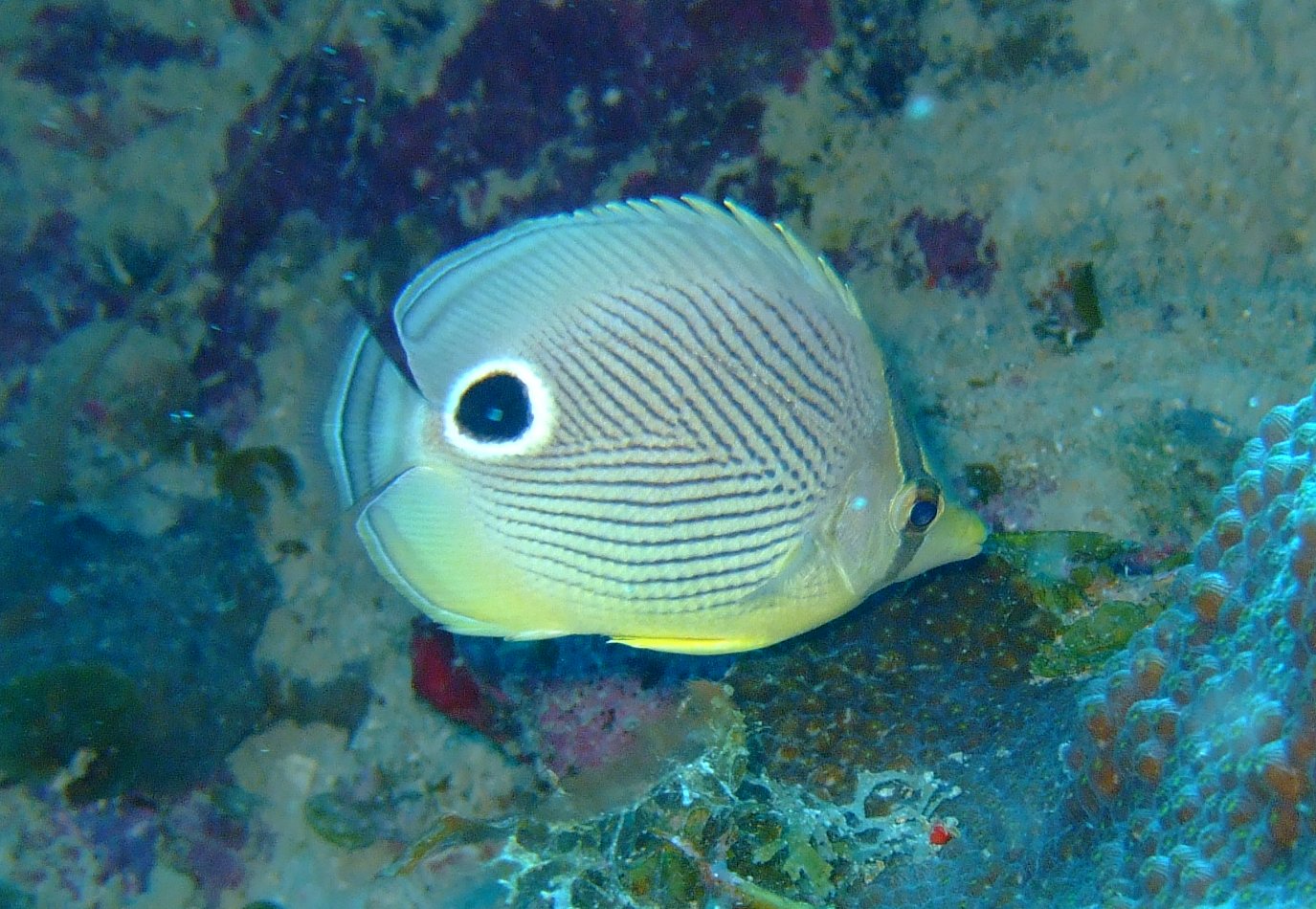
Foureye Butterflyfish This very recognizable fish can grow up to 6 inches. It moves around freely and often in pairs. Usually ignoring divers until approached.
|
|
|
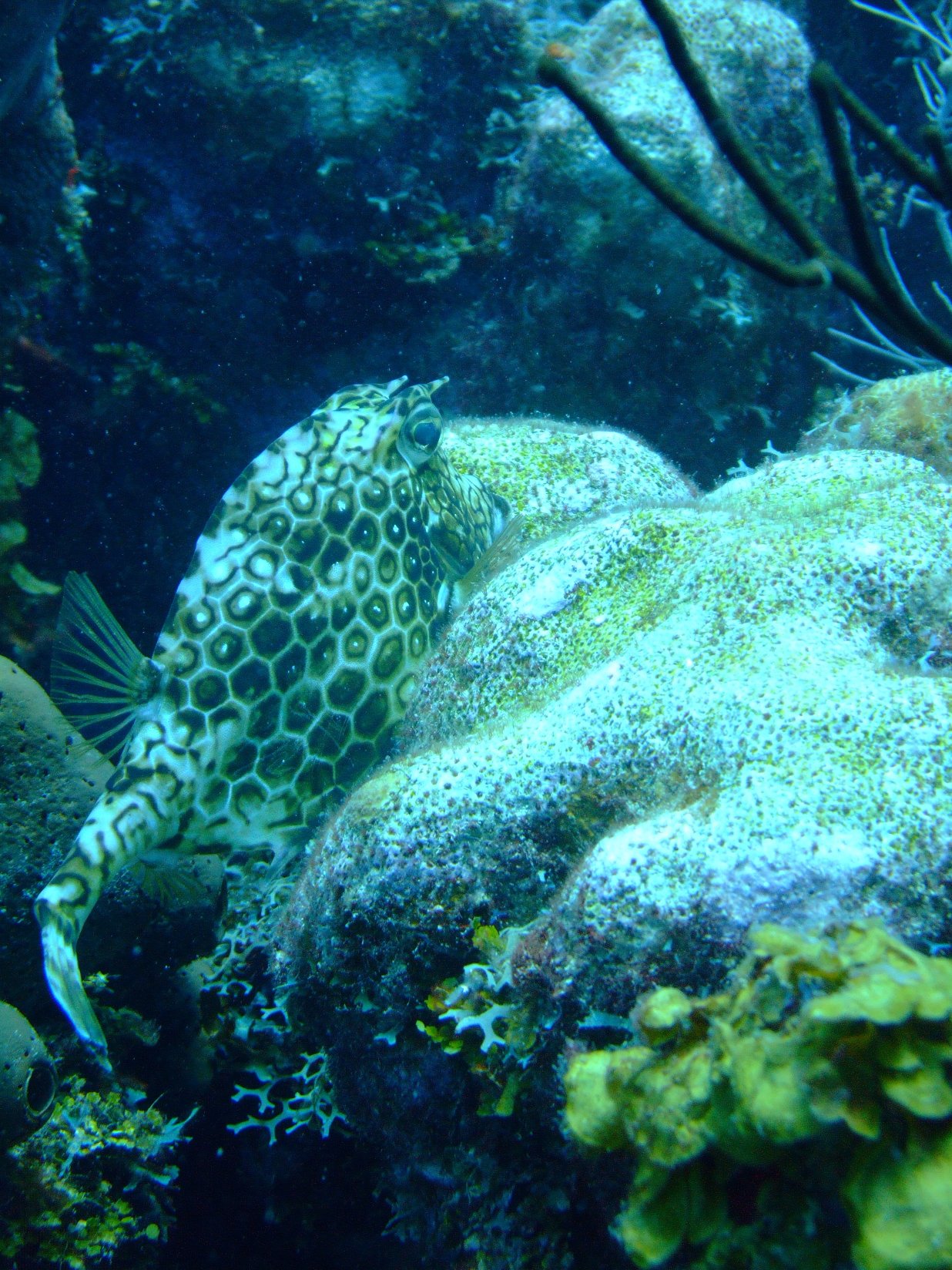
Honeycomb Cowfish Quickly recognizable by its distinct honeycomb pattern, this fish can grow up to 18 inches and in an occasional sighting around St. Kitts.
|
|
|
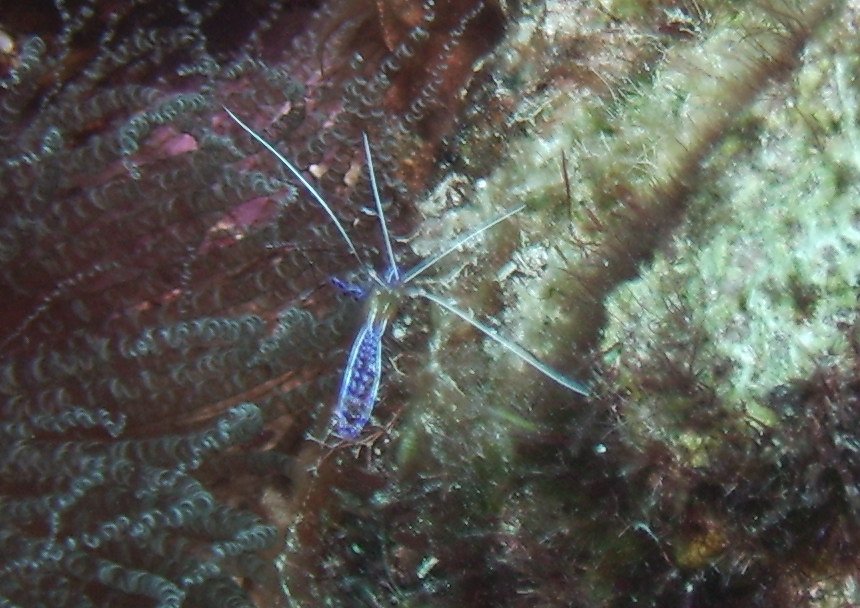
Pederson Cleaner
Shrimp This small shrimp is only 1 inch long it is transparent with purple spots. It is quite common if you stop and look closely. It is unafraid toward divers, in fact, if a hand is extended slowly it may swim out ans attempt to clean the fingers.
|
Home | Contact Us | Links | Photos | Used Gear | Officers