Overweight vs. overfat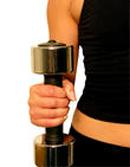
Fat distribution can influence a person's risk of disease. Fat carried around the waist and in the abdominal area, characterized by the "apple shape", is associated with an increased risk for many medical problems such as heart disease, cancer, high blood pressure, and diabetes. Fat that is mostly distributed around the buttocks and thighs is associated with a lower risk of developing these diseases. As much as 50 to 75 percent of obesity has genetic influences. Just what those genetic influences are that affect body weight have not been identified. Binge eating can be triggered by many things such as stress, depression, loneliness or anger. Food is used as a way of dealing with issues other than hunger. Studies show that a 20 percent increase in body weight increases the risk for heart disease, high blood pressure and diabetes. Body composition describes the percentages of fat, muscle and bone in your body. Many experts think men's bodies should be between 12 to 18 percent fat, while women's should be 18 to 22 percent fat. |
Prescription for aging beautifully
The outermost epidermis is consists of stratified squamous epithelium with an underlying basement membrane. It contains no blood vessels, and is nourished by diffusion from the dermis. The main type of cells which make up the epidermis are keratinocytes, with melanocytes and Langerhans cells also present. The epidermis can be further subdivided into the following strata (beginning with the outermost layer): corneum, lucidum, granulosum, spinosum, basale. Cells are formed through mitosis at the innermost layers. They move up the strata changing shape and composition as they differentiate, inducing expression of new types of keratin genes. They eventually reach the corneum and become sloughed off (desquamation). This process is called keratinization and takes place within about 30 days. This layer of skin is responsible for keeping water in the body and keeping other harmful chemicals and pathogens out. The dermis can be split into the papillary and reticular layers. The papillary layer is outermost and extends into the dermis to supply it with vessels. It is composed of loosely arranged fibres. Papillary ridges make up the lines of the hands. The reticular layer is more dense and is continuous with the hypodermis. It contains the bulk of the structures (such as sweat glands). The reticular layer is composed of irregularly arranged fibres and resists stretching. Functions of the skin are disturbed when it is dirty and it becomes more easily damaged. The release of antibacterial compounds decreases. Dirty skin is more prone to develop infections. Cosmetics should be used carefully because these may cause allergic reactions. Each season requires suitable clothing in order to facilitate the evaporation of the sweat. Sunlight, water and air play an important role in keeping the skin healthy. Exercise, rest, and good nutrition lay the foundation for beautiful, healthy skin, inside and out. A proper diet is not only good for your overall health, it also helps to ensure that your skin will receive all of the vitamins, minerals, and nutrients that it needs to maintain and repair cells. Drinking purified water is another good way to keep your skin healthy. Water helps to hydrate the skin and move waste and nutrients through the system. It is very effective mixing a teaspoon or capful of Organic Apple Cider Vinegar in with your water. Do not drink Tap Water. Use a natural sunscreen when possible, regardless of whether or not you plan on spending much time in the sun. The sun's rays are very damaging and if you get in the habit of applying sunscreen everyday, you will never be left without protection. The suns most beneficial rays occur at sunrise and sunset. The important thing to remember when seeking out treatment for your wrinkles is to know first how your body can possibly react to the treatment. Get in touch with a skin doctor for things that you are not sure of, but are contemplating on trying out. |
Abilities for hair restoration
Another important cause of falling hair is stress, such as worry, anxiety and sudden shock. Stress leads to a severe tension in the skin of the scalp. This adversely affects the supply of essential nutrition required for the healthy growth of hair. Finasteride (Propecia). This prescription medication to treat male-pattern baldness is taken daily in pill form. Many people taking finasteride experience a slowing of hair loss, and some may show some new hair growth. Positive results may take several months. Finasteride works by inhibiting the conversion of testosterone into dihydrotestosterone (DHT), a hormone that shrinks hair follicles and is an important factor in male hair loss. Rare side effects of finasteride include diminished sex drive and sexual function. As with minoxidil, the benefits of finasteride stop if you stop using it. Anthralin (Drithocreme). Available as either a cream or an ointment, anthralin is a synthetic, tarry substance that you apply to your scalp and wash off daily. It's typically used to treat psoriasis, but doctors can prescribe it to treat other skin conditions. Anthralin may stimulate new hair growth for cases of alopecia areata. Did you notice that when you shampoo your hair the amount of lather often varies? Usually, the more lather you have, the less buildup you have on your hair. It's also important to fully rinse out the shampoo to eliminate any residual detergents--they can damage the hair shaft and scalp. Cancer Treatments - Some cancer treatments will cause hair cells to stop dividing. Hairs become thin and break off as they exit the scalp. This occurs one to three weeks after the treatment. Patients can lose up to 90 percent of their scalp hair. The hair will regrow after treatment ends. Patients may want to get wigs before treatment. A woman who has a family history of hair loss in women may be especially aware of the possibility that she may also begin to lose hair as she matures. And, she would be correct; a family history of hair loss in women is an indication that a woman may be genetically predisposed to lose hair. |
|
|
Read our other articles:
Help in getting treatment
How to use Hoodia to actually help you
A man with erectile dysfunction
Dental procedures
Some specific ways to lower the risks of medicines
What are the symptoms of menopause?