
GRAPHIC ARTS & DESIGN |COMPREHENSIVE GUIDE| By: Rodelio D. Balagot
| ARCHIVE DIRECTORY | CTP PLATE PROCESSING |
 |
||
Graphic Artist at work |
|
|
 |
||
Graphic Design of Art Book |
Graphic Arts |
A type of fine art, graphic art covers a broad range of art forms. It's the art of drawing, painting, and printmaking. Graphic art typically is two-dimensional and includes calligraphy, photography,drawing, painting, printmaking, lithography, typography, serigraphy (silk-screen printing), and bindery. Graphic art also consists of drawn plans and layouts for interior and architectural designs. The responsibility for effective communication also falls under the auspices of the graphic designer. Graphic Design
Graphic symbols are often functionalist and anonymous
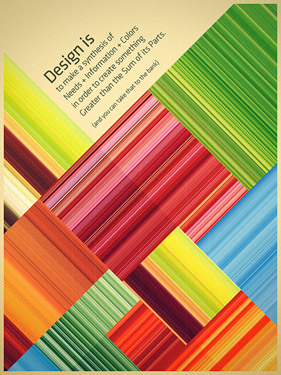
Graphic design is the art of communication, stylizing, and problem-solving through the use of type and image. The field is also often erroneously referred to as Visual Communication or Communication Design due to overlapping skills involved. Graphic designers use various methods to create and combine words, symbols, and images to create a visual representation of ideas and messages. A graphic designer may use a combination of typography, visual arts and page layout techniques to produce a final result. Graphic design often refers to both the process (designing) by which the communication is created and the products (designs) which are generated. Common uses of graphic design include identity (logos and branding), publications (magazines, newspapers and books), print advertisements, posters, billboards, website graphics and elements, signs and product packaging. For example, a product package might include a logo or other artwork, organized text and pure design elements such as images, shapes and color which unify the piece. Composition is one of the most important features of graphic design, especially when using pre-existing materials or diverse elements. Graphic Design SoftwareGraphic artists applying for positions in today's job market are expected to be familiar with computers and a variety of software programs in order to create the most appealing, up to date designs. Graphic art software includes applications such as:
Free Software
Beside computers and software, graphic artists are also expected to be creative with processing camera work, registration, crop marks, and masking. CareersOne of the most common career paths for a graphic artist today is web design. With the popularity of the World Wide Web, the demand for web designers is immense. Graphic artists use their creativity with layouts, typography, and logos to market the products or services of the client’s business. In addition to creating graphical designs, graphic artists also need to understand hypertext, web programming, and web page maintenance in order to successfully create a web page. ApplicationsFrom road signs to technical schematics, from interoffice memorandums to reference manuals, graphic design enhances transfer of knowledge and visual messages. Readability and legibility is enhanced by improving the visual presentation and layout of text. Design can also aid in selling a product or idea through effective visual communication. It is applied to products and elements of company identity likelogos, colors, packaging, and text. Together these are defined as branding (see also advertising). Branding has increasingly become important in the range of services offered by many graphic designers, alongside corporate identity. Whilst the terms are often used interchangeably, branding is more strictly related to the identifying mark or trade name for a product or service, whereas corporate identity can have a broader meaning relating to the structure and ethos of a company, as well as to the company's external image. Graphic designers will often form part of a team working on corporate identity and branding projects. Other members of that team can include marketing professionals, communications consultants and commercial writers. Textbooks are designed to present subjects such as geography, science, and math. These publications have layouts which illustrate theories anddiagrams. A common example of graphics in use to educate is diagrams of human anatomy. Graphic design is also applied to layout and formatting of educational material to make the information more accessible and more readily understandable. Graphic design is applied in the entertainment industry in decoration, scenery, and visual story telling. Other examples of design for entertainment purposes include novels, comic books, DVD covers, opening credits and closing credits in filmmaking, and programs and props on stage. This could also include artwork used for t-shirts and other items screenprinted for sale. From scientific journals to news reporting, the presentation of opinion and facts is often improved with graphics and thoughtful compositions of visual information - known as information design. Newspapers, magazines, blogs, television and film documentaries may use graphic design to inform and entertain. With the advent of the web, information designers with experience in interactive tools such as Adobe Flash are increasingly being used to illustrate the background to news stories. SkillsA graphic design project may involve the stylization and presentation of existing text and either preexisting imagery or images developed by the graphic designer. For example, a newspaper story begins with the journalists and photojournalists and then becomes the graphic designer's job to organize the page into a reasonable layout and determine if any other graphic elements should be required. In a magazine article or advertisement, often the graphic designer or art director will commission photographers or illustrators to create original pieces just to be incorporated into the design layout. Or the designer may utilize stock imagery or photography. Contemporary design practice has been extended to the modern computer, for example in the use of WYSIWYG user interfaces, often referred to as interactive design, or multimedia design. Visual arts designBefore any graphic elements may be applied to a design, the graphic elements must be originated by means of visual art skills. These graphics are often (but not always) developed by a graphic designer. Visual arts include works which are primarily visual in nature using anything from traditional media, to photography or digital art. Graphic design principles may be applied to each graphic art element individually as well as to the final composition. TypographyTypography is the art, craft and techniques of type design, modifying type glyphs, and arranging type. Type glyphs (characters) are created and modified using a variety of illustration techniques. The arrangement of type is the selection of typefaces, point size, tracking (the space between all characters used), kerning (the space between two specific characters), and leading (line spacing). Typography is performed by typesetters, compositors, typographers, graphic artists, art directors, and clerical workers. Until the Digital Age, typography was a specialized occupation. Digitization opened up typography to new generations of visual designers and lay users. Page layoutThe page layout aspect of graphic design deals with the arrangement of elements (content) on a page, such as image placement, and text layout and style. Beginning from early illuminated pages in hand-copied books of the Middle Ages and proceeding down to intricate modern magazine and catalogue layouts, structured page design has long been a consideration in printed material. With print media, elements usually consist of type (text), images (pictures), and occasionally place-holder graphics for elements that are not printed with ink such as die/laser cutting, foil stamping orblind embossing. Interface designSince the advent of the World Wide Web and computer software development, many graphic designers have become involved in interface design. This has included web design and software design, when end user interactivity is a design consideration of the layout or interface. Combining visual communication skills with the interactive communication skills of user interaction and online branding, graphic designers often work with software developers and web developers to create both the look and feel of a web site or software application and enhance the interactive experience of the user or web site visitor. An important aspect of interface design is icon design. User experience designConsiders how a user interacts with and responds to an interface, service or product and adjusts it accordingly. PrintmakingPrintmaking is the process of making artworks by printing on paper and other materials or surfaces. Except in the case of monotyping, the process is capable of producing multiples of the same piece, which is called a print. Each piece is not a copy but an original since it is not a reproduction of another work of art and is technically known as an impression. Painting or drawing, on the other hand, create a unique original piece of artwork. Prints are created from a single original surface, known technically as a matrix. Common types of matrices include: plates of metal, usually copper or zinc for engraving or etching; stone, used for lithography; blocks of wood for woodcuts, linoleum for linocuts and fabric plates for screen-printing. But there are many other kinds, discussed below. Works printed from a single plate create an edition, in modern times usually each signed and numbered to form a limited edition. Prints may also be published in book form, as artist's books. A single print could be the product of one or multiple techniques. Tools
The pencil is one of the most basic graphic design tools.
The mind is an important graphic design tool. Aside from technology, graphic design requires judgment and creativity. Critical, observational, quantitative and analytic thinking are required for design layouts and rendering. If the executor is merely following a solution (e.g. sketch, script or instructions) provided by another designer (such as an art director), then the executor is not usually considered the designer. The method of presentation (e.g. arrangement, style, medium) may be equally important to the design. The appropriate development and presentation tools can substantially change how an audience perceives a project. The image or layout is produced using external traditional media and guides, ordigital image editing tools on computers. Tools in computer graphics often take on traditional names such as "scissors" or "pen." Some graphic design tools such as a grid are used in both traditional and digital form. In the mid-1980s, the arrival of desktop publishing and graphic art software applications introduced a generation of designers to computer image manipulation and creation that had previously been manually executed. Computer graphic design enabled designers to instantly see the effects of layout or typographic changes, and to simulate the effects of traditional media without requiring a lot of space. However, traditional tools such as pencils ormarkers are useful even when computers are used for finalization; a designer or art director may hand sketch numerous concepts as part of the creative process. Some of these sketches may even be shown to a client for early stage approval, before the designer develops the idea further using a computer and graphic design software tools. Computers are considered an indispensable tool in the graphic design industry. Computers and software applications are generally seen by creative professionals as more effective production tools than traditional methods. However, some designers continue to use manual and traditional tools for production, such as Milton Glaser. New ideas can come by way of experimenting with tools and methods. Some designers explore ideas using pencil and paper. Others use many different mark-making tools and resources from computers to sculpture as a means of inspiring creativity. One of the key features of graphic design is that it makes a tool out of appropriate image selection in order to possibly convey meaning. Computers and the creative processThere is some debate whether computers enhance the creative process of graphic design. Rapid production from the computer allows many designers to explore multiple ideas quickly with more detail than what could be achieved by traditional hand-rendering or paste-up on paper, moving the designer through the creative process more quickly. However, being faced with limitless choices does not help isolate the best design solution and can lead to endless iterations with no clear design outcome. A graphic designer may use sketches to explore multiple or complex ideas quickly without the distractions and complications of software.[citation needed] Hand-rendered comps are often used to get approval for an idea execution before a designer invests time to produce finished visuals on a computer or in paste-up. The same thumbnail sketches or rough drafts on paper may be used to rapidly refine and produce the idea on the computer in a hybrid process. This hybrid process is especially useful in logo design[17] where a software learning curve may detract from a creative thought process. The traditional-design/computer-production hybrid process may be used for freeing one's creativity in page layout or image development as well.[citation needed] In the early days of computer publishing, many "traditional" graphic designers relied on computer-savvy production artists to produce their ideas from sketches, without needing to learn the computer skills themselves. However, this practice has been increasingly less common since the advent of desktop publishing over 30 years ago. The use of computers and graphics software is now taught in most graphic design courses. Nearly all of the popular and "industry standard" software programs used for graphic design since the early 1990s are products of Adobe Systems Incorporated. They are Adobe Photoshop (a raster-based program for photo editing), Adobe Illustrator (a vector-based program for drawing), Adobe InDesign (a page layout program), and Adobe Dreamweaver (for Web page design). Another major page layout tool is QuarkXpress (a product of Quark, Inc., a separate company from Adobe). Both QuarkXpress and Adobe InDesign are often used in the final stage of the electronic design process. Raster images may have been edited in Adobe Photoshop, logos and illustrations in Adobe Illustrator, and the final product assembled in one of the major page layout programs. Most graphic designers entering the field since about 1990 are expected to be proficient in at least one or two of these programs. OccupationsGraphic design career paths cover all ends of the creative spectrum and often overlap. The main job responsibility of a Graphic Designer is the arrangement of visual elements in some type of media. The main job titles within the industry can vary and are often country specific. They can include graphic designer, art director, creative director, and the entry level production artist. Depending on the industry served, the responsibilities may have different titles such as "DTP Associate" or "Graphic Artist", but despite changes in title, graphic design principles remain consistent. The responsibilities may come from, or lead to, specialized skills such as illustration, photography or interactive design. Today's graduating graphic design students are normally exposed to all of these areas of graphic design and urged to become familiar with all of them as well in order to be competitive. Graphic designers can work in a variety of environments. Whilst many will work within companies devoted specifically to the industry, such as design consultancies or branding agencies, others may work within publishing, marketing or other communications companies. Increasingly, especially since the introduction of personal computers to the industry, many graphic designers have found themselves working within non-design oriented organizations, as in-house designers. Graphic designers may also work as free-lance designers, working on their own terms, prices, ideas, etc. A graphic designer reports to the art director, creative director or senior media creative. As a designer becomes more senior, they may spend less time designing media and more time leading and directing other designers on broader creative activities, such as brand development and corporate identity development. They are often expected to interact more directly with clients, for example taking and interpreting briefs. Graphic Design – Color Theory Basics
Color theory is a pretty loaded topic when it comes to graphic design, graphic arts and package design. When dealing with the arts, or rather any form of medium, it’s good to have a basic understand of theory. For example, in order for a musician to play properly, he has to understand the underlying principles to music – how to read notes on a staff sheet, melodies, what key a song is in, scales, riffs, and so on – in order to perform. The same concept applies to artists and color theory. Color theory involves different types of scientific principles such as spectroscopy, optics, human anatomy and physiology, art history, art theory, ethics, psychology, architecture, design, typography and many other applied sciences. Color theory will help improve your graphic design. All these help and play a role in graphic design – and how you can use color to convey a special feeling, and what certain colors mean to specific nationalities and cultures. For example, the color blue can mean depression – a state of sorrow, sadness. It can also mean security and resolve, but it all depends on how it is conveyed and used, as well as the person’s own individual association with the color. This is especially important for the graphic arts and graphic design. When you’re dealing with online marketing for a specific demographic, it is important to know how colors mean to specific age groups, nationalities, and culture. How is color created? There is a wide variety of colors out there, how are they formed? The first three colors are prime colors, which are red, green and blue. These colors are prime because they cannot be created by mixing other colors. Other colors such as orange, magenta, and purple are created by mixing a variation of red, green, and blue. There are various types of color schemes as well, such as monochromatic, complementary, split-complementary, and triadic – just to name a few. For example, the monochromatic theme only uses one color with a varying degree of brightness and intensity of one color. Monochromatic is simple and elegant, the colors are soothing and help convey a cohesive feeling for graphic design and artists. Understanding all these concepts are important when dealing with any form of graphic design, and is important for graphic artists to understand.
|

