 |
|
 |
 |
 |
 |
 |
 |
 |
| Angelfish are predatory and feed on small water crustaceans and insect larve in the wild. Usually, anything small that swims is considered food by angelfish. Since the domestication of the angelfish, they have become accustomed to dry foods such as flakes. Most angelfish will do fine on a diet of good tropical fish flake alone. However, in order to get the healthiest and most beautiful fish, a variety of foods must be fed. Its best to feed angelfish 2 or three times a day, each time no more than they can eat in a couple minutes. First lets discuss the different types of flake food. In addition to a staple flake, special flake foods can be used such as spirulina and brine shrimp flake. |
| For fish that are being raised as possible breeding stock or for existing pairs, earthworm flake can be fed every now and then. This will greatly increase the pairs productivity. Feed your angelfish flake food |
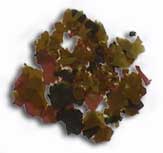
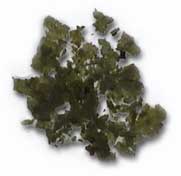
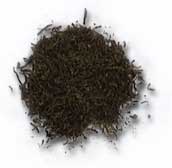
| Quality Staple Flake |
| Earthworm Flake |
| Spirulina Flake |
| atleast once a day. Tetra usually makes good quality flakes so this would be a good brand to try if you don't already own any flakes. |
| Other types of dry foods that are excellent sources of food for angelfish are freeze-dried foods. These foods are high in protien and help grow strong and healthy fish. Tubifex worms are most common in this form |
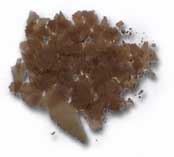
| Freeze-Dried Tubifex Worms |
| Freeze-Dried Mosquitoe Larve |
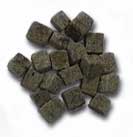
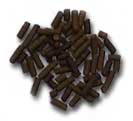
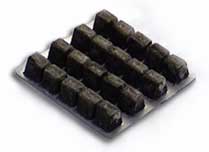
| Earthworm Pellets |
| and make a nice treat once or twice a week. Free-dried bloodworms are also very nutritious. Many types of foods come in the pellet form as well. These foods are |
| good but often cause the angelfish to choke on them when swallowed whole. I have chosen |
| to stop using them because of this and since there are many other alternatives. |
| food. Some of these include frozen brine shrimp, bloodworms, and mosquitoe larve. These products are usually fairly expensive and can be fed just as a treat once in a while if desired. |
| The food that will please your angelfish the most will be live food, especially if it is wigglin and they have to chase it. This really brings out |
| their best colors. Unfortunately, getting live food can be quite difficult. A few petstores carry live brine shrimp or water fleas but if your's doesn't then there are may other alternatives out there. |
| Frozen Brine Shrimp |
| A good source of FREE live food can be found right around your house. Earthworms! My angels don't event try to eat the big ones, but the tiny red wiggers are their favorite! If you can't find any of these, go to a bait shop and get some and put them in a styrofoam |
| box filled with dirt. Place a slice or two of bread on top and in a couple weeks you should have some worms! Another easy(but stinky) source of live food is mosquitoe larve. These guys are only available in the summer however. To get some, place a bucket of dechlorinated water in a shady place in your backyard. Take a stocking(yeah thats right), and stuff it with old apples, watermellon rinds, cucumbers and any vegetable or fruit. Float this this in the bucket and the rest is up to the mosquitoes! After about a week, start checking the bucket often for larve. To harvest, use a fine-meshed net to scoup out the larve. Its very important to harvest the bucket ever couple days so the larve don't mature enough to hatch out as mosquitoes! I have never tried culturing daphnia or other types of live foods myself, but if you want more information on this subject, visit the following sites. |
 |
 |
 |
 |
 |
 |
 |
 |
 |
| Frozen foods surpass freeze-dried foods since they have just as much nutrition as live |
 |
 |
|
|
 |
|
 |