Philosophy 203: 093
Social Ethics




Morehead State University, West Liberty
Paul Lovelace (email me anytime at: [email protected])
General Information:
* Office hours shall be held, by appointment, during the hour before class (5-6 pm) in our regular classroom at the West Liberty extension building. Please feel free to email me at any time during the semester with any questions, concerns, or ideas regarding the readings, lectures, class projects, or assignments, or to make an appointment to meet before class. Click HERE for policy and Grading details.
Required Readings:
Each class's readings will either be handed out beforehand or they will be available online as a link from the course homepage, which serves as a means of class communication (for announcements, clarifications, helpful hints), and should thus be checked periodically throughout the week.
Course Schedule:
Jan. 22: Introduction and Power Point Presentation
Part One: Wisdom Traditions
Jan. 29: Ethics in Judaism & Christianity
(Bring Bibles to class, any translation)
Please read the following closely:
The 613 Commandments
Sermon on the Mount (Matthew 5-7)
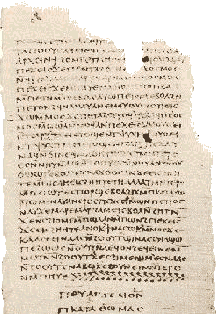
Gospel of Thomas
Student Presentation: Jewish Dietary Laws
Feb. 5: Unhappy Meals (#1 emailed article on NY Times) YOU MUST READ THIS!!!
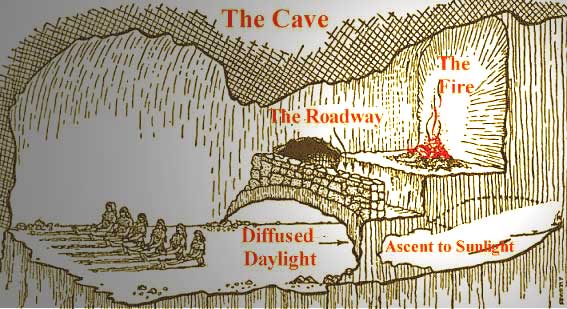
Plato's "Allegory of the Cave" from Republic
Reflection Page: Please explain the allegory of the cave. Then, recall sayings of Jesus that pertain to this legendary allegory. Feel free to draw from the Sermon on the Mount, Mitzvot, The Gospel of Thomas, or from passages of another gospel.
Feb. 12: :Hindu theology and Yoga
Please read through the fhollowing (each are brief, yet filled). In your reflection page, summarize the readings and compare these teachings to 10 commandments, Sermon on the Mount, Mitzvot, Gospel of Thomas, or Plato's allegory of the cave; or respond to a few of the questions at the end of the On Yoga text (4th link below).
*Photos of asanas--performed by my teacher Vinkatesh, of Atma Vikasa in India
*Yamas & Niyamas
* Patanjali's Sutras
* On Karma, Hatha, Bhakti & Jnana Yoga
* POWER POINT on ethical traditions of India
Please wear loose, comfortable clothes for very basic asanas (yoga postures).
Pictures of Hindu Deities
Student presentation: * Ayurveda and health
Feb 19: : Buddhism
Greetings, class. Please read and absorb these brief, rich readings. Then, summarize the most compelling points and link these back to our discussions/readings of Hinduism, Jesus, or Plato.
*Karma and Rebirth
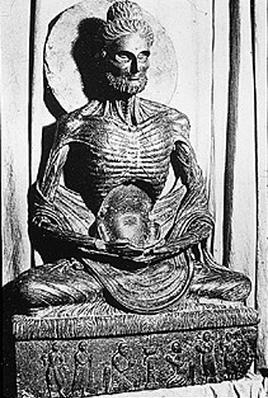
*Story of Buddha, and the ethics of food
* 4 Noble Truths
* Middle Way: 8 fold path
*Dhamapada: Ch. 10 "Violence"
*More on Buddhist Ethics
*Eight-fold path, redux
*Dalai Lama & Neuroscience

Student Presentation: Map of Buddhism
Feb. 26: Islam
Please read through these articles, sites, andn links. Write a page (3-4 paragraphs), summarizing the main tenets and pillars of Islam as well as key Quranic passages or Hadith that rang true to you, that parallel another philosphy/tradition we have studies, and/or that pertain to a social ethic you are studying in your own research.
* Islam (plus links)
* Ramadan (read pages 1-3)
* Qur'anic passages and Hadith (Sunna) on fasting and charity
Student Presentation: TBA
Mar. 5: Midterm
Mar. 12: Native American (North and South) traditions
Please read through all the following and summarize your findings and reflections in a few thoughtful paragraphs.
* Black Elk Speaks Chapters 1-3, 13-18
* Voices of Ancestors - Tsalagi ethics
* Native Seeds/SEARCH mission statement
* Valentina Campos & Puentes: pachamama, ayni,"Criar y dejarse criar"
* Mexican indigenous for Chiapas autonomy
Student Presentation : First Nations Native Agriculture Institute
Mar.19: Spring Break :
Part Two: Social Ethics of Food and Ag - Health & the Homeland
Mar. 26: * Schlosser, Eric Fast Food Nation: The Darker Side of the American Meal (Introduction)
* Pollan, Michael Omnivore's Dilemma (Introduction and Parts 1, 6, 7 of Chapter One)
* Confined Animal Feeding Operations (CAFOs)
* Video on anti-biotic use in animals
Apr. 2: Appalachian traditions of health
Write a reflection page on the darker side of the "American meal", as it relates to health and social ethics. What are the alternatives? How, in your opinion, have healthy food and agricultural traditions been subsumed by fast foods? What are some of the ethics involved?
* Guest Teacher: Mae Sons
*For the Love of the Land Wendell Berry
* Foxfire
* Bring in five "old sayings" regarding health, agriculture, food, nature
* Bring in canned food for the food drive/shelter
Student Presentation: * Edible Schoolyard Alice Waters
Part Three: Social Ethics of Food & Ag - Economy & the World
Apr. 9: Sustainability via Local Food Networks
Please read carefully through the following brief texts. Come to class ready to discuss their implications in regards to social ethics and our ongoing conversations about health, land stewardship, compassion, justice, hunger, and the cultivation of local food economies.
* Community Farm Alliance, LIFE
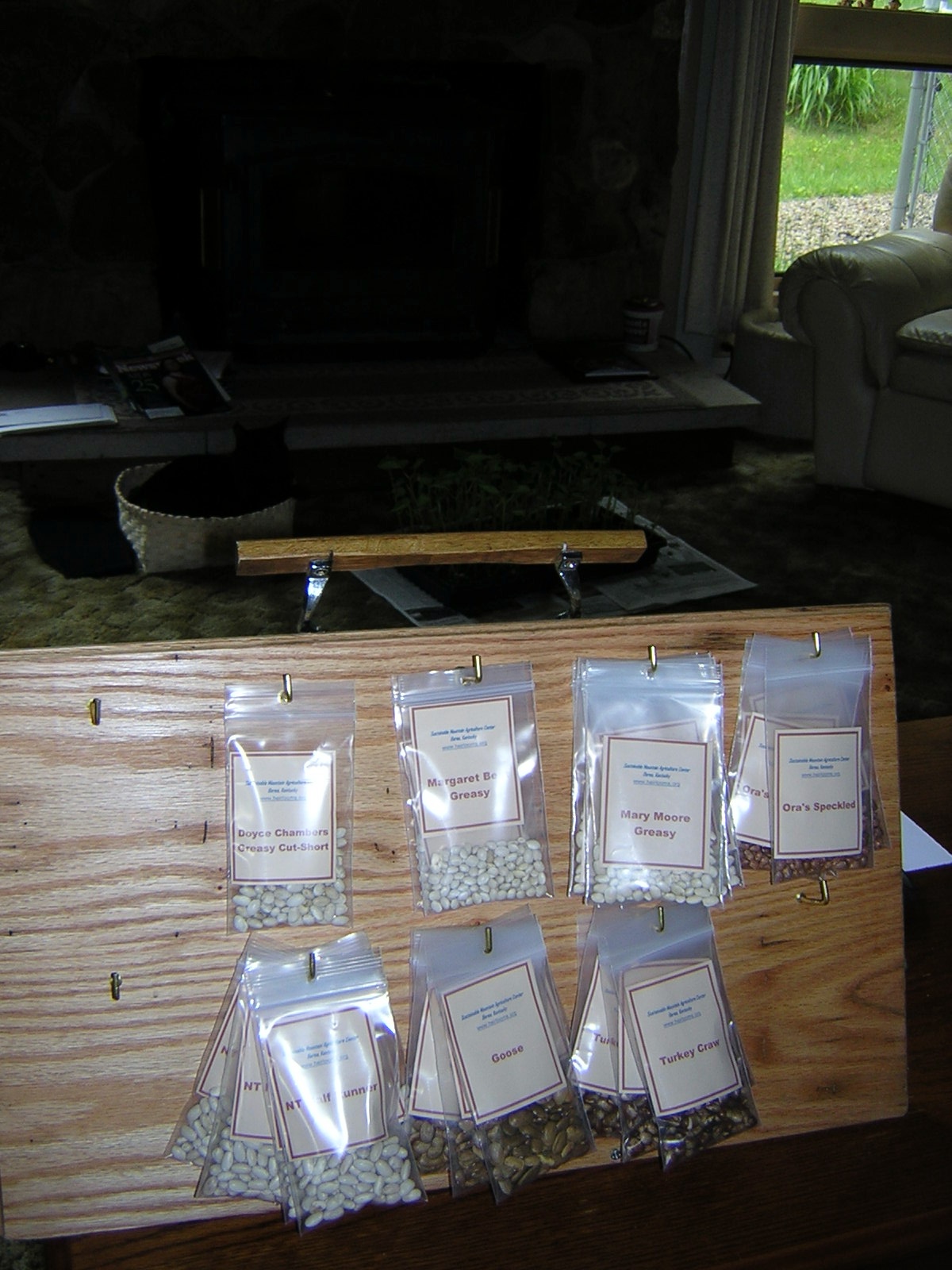
Sustainable Mountain Agricultural Center
* Appalachian agricultural biodiversity
* Localharvest.com
Student Presentation: * "Thoughts in the Presence of Fear" Wendell Berry
Part Four: Social Ethics of Food and Ag - Ecology & the Future
Apr. 16: Genetic Modification of Seeds
* In class: The Future of Food video
Monday's class will consist of watching Disc One of this documentary. The reflection page should summarize the film and include your own analysis.
Apr. 23 :Permaculture & Organics
Read through these websites and brief articles for class.
* Food Not Bombs
*Via Campesina
*GM foods as food aid to Africa
Studenet Presentation: TBA
Apr. 30 * Review of class
* Screening of clips from The Corporation
Final Exam
Pot Luck