| "He saw clearly that a successful revolution needed much more than an army in the field; it required action at the grass-roots level--determination and efficiency among its supporters,k and firm control over its enemies." (pg. 142, Shy) |
| After years of being treated as slaves by the British government and being taxed for ridiculous reasons the colonists were ready to revolt. In the years prior to the revolution of 1776 the colonies were filled with many people from all aspects of the spectrum. In all areas of the colonies it was easy to find many loyals to Britain, rebels who wanted to see the colonies become free as well as citizens who took a neutral part. In 1776 two-fifths of the colonists were in favor of independence, and one-fifth wanted to stay loyal to the British crown. However, when war broke out, much to the British surprise instead of a quick war the rebel militia's put up a decent fight. "It was a fight by free men for their natural rights." (pg. 161, Shy). During these initial attacks the British troops unneccesarily antagonized some of the Loyal colonists with un-orthodox tactics and caused many of them and many neutrals to become in favor of the rebels fight for independence. Many say it was the carelessness of the British troops in their associations with the Loyals that may have caused rebel numbers to dramatically increase and cause a much more intense war for the British. |
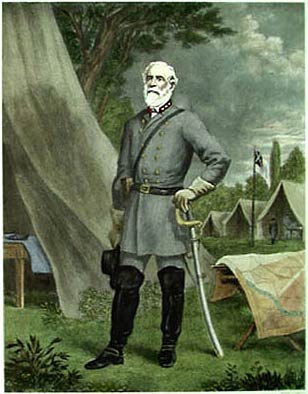 |
| General Robert E. Lee |
 |
 |
| "Aye, fight and you may die, run and you'll live. At least a while. And dying in your beds many years from now, would you be willing to trade all the days from this day to that for one chance, just one chance to come back here and tell our enemies that they may take our lives, but they'll never take our freedom!" (William Wallace, Braveheart) |
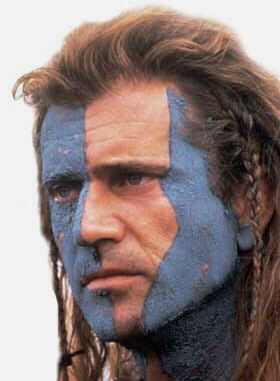 |
| William Wallace in Braveheart |
 |
| British Troops antagonizing colonists by being careless which led to added rebel support. |