Reviews
>> Armored Core 2
>> DOA2: Hardcore
>> ESPN International
Track & Field
>> Eternal Ring
>> Evergrace
>> Gun Griffon Blaze
>> Midnight Club: Street
Racing
>> NASCAR 2001
>> Q-Ball Billiards Master
>> Ridge Racer V
>> SSX
>> Street Fighter EX3
>> Swing Away Golf
>> Time Splitters
>> Tekken Tag Tournament
>> X-Squad
Previews
>> Metal Gear Solid 2
|

Publisher: Konami
Developer: KCEO
Genre: Sports
Origin: Japan
Number of Players: 4
Dual Shock: Yes
Peripherals: Memory Card






|
ESPN International Track & Field
ESPN International Track & Field is a fantastic continuation of the classic series, but for those learned in the art of rapid button-pushing from the original PS versions, it's over way too quickly.
Gameplay
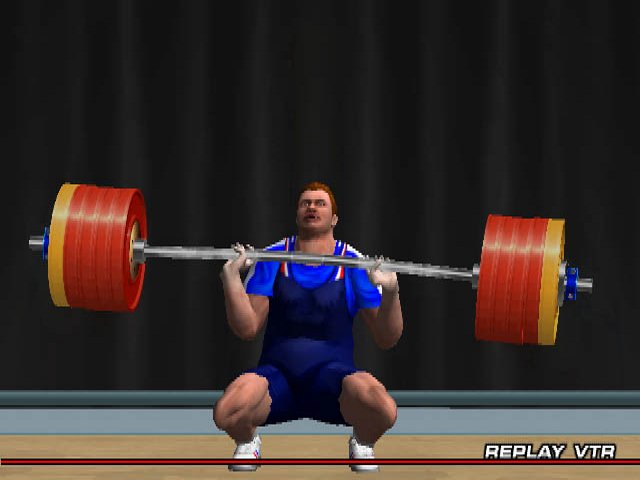
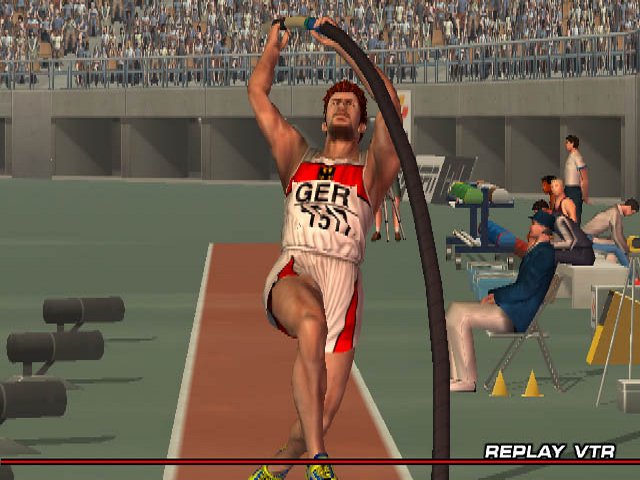
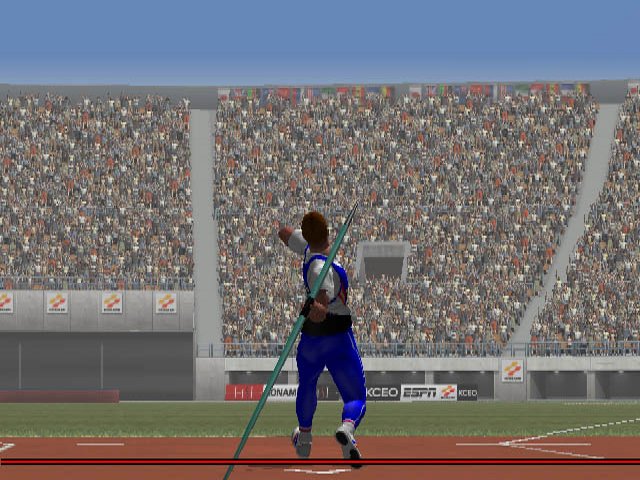
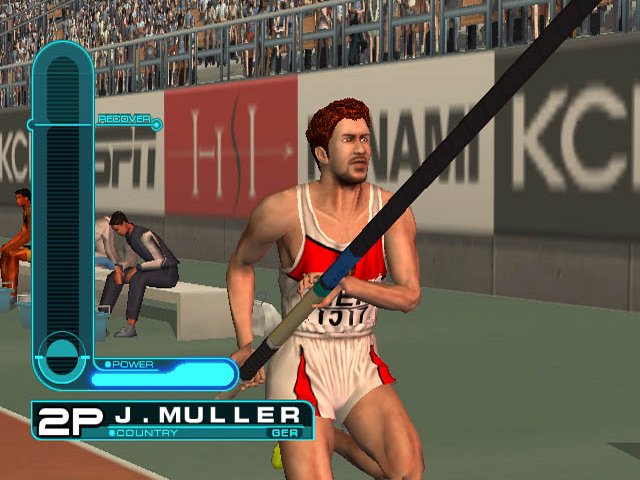
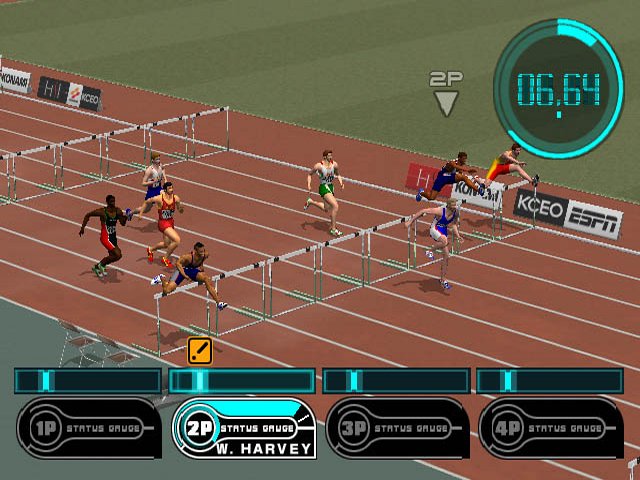
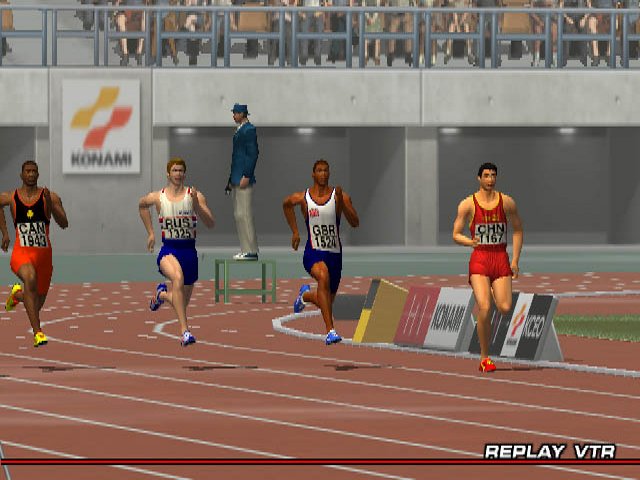
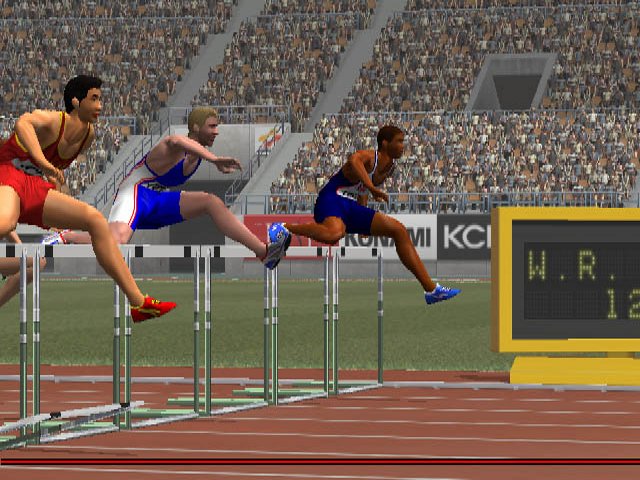
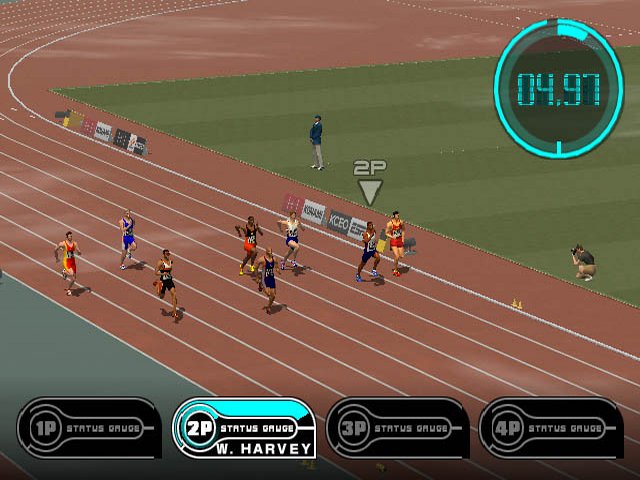
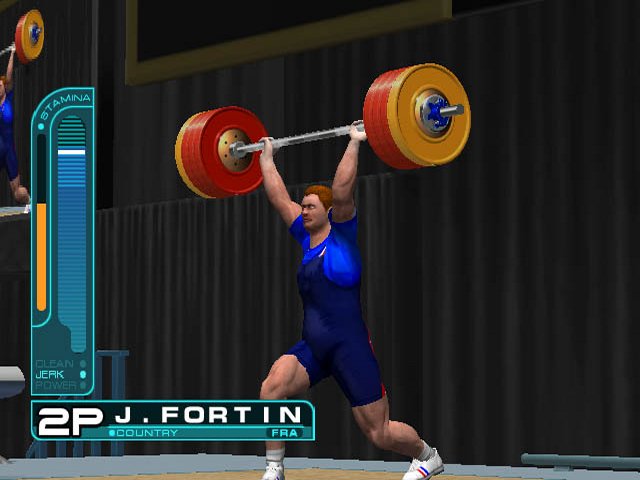
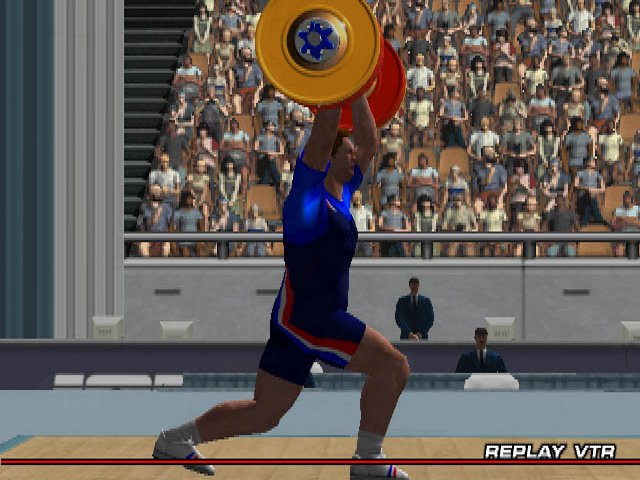
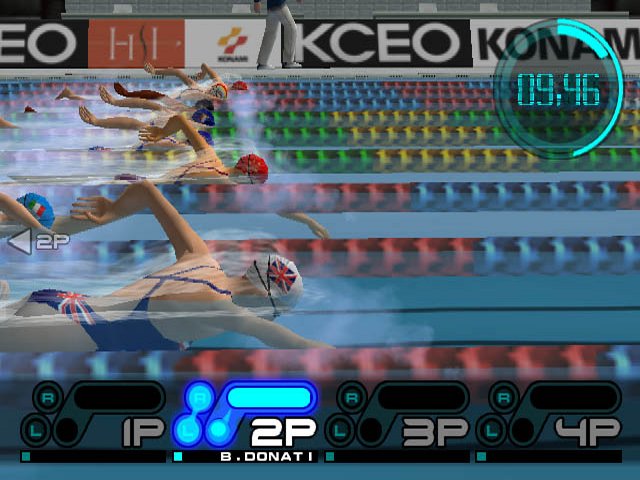
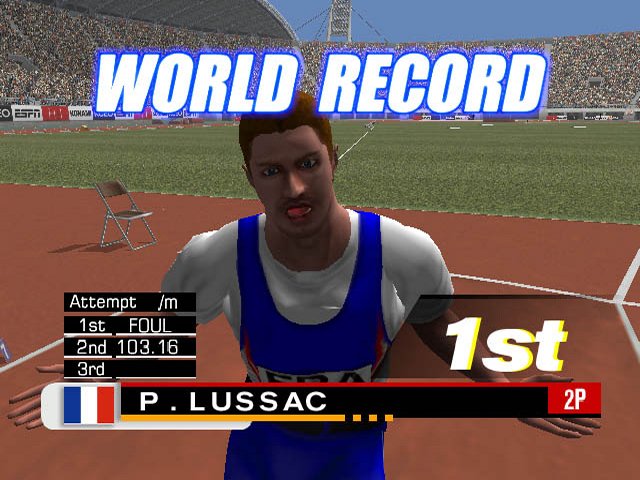
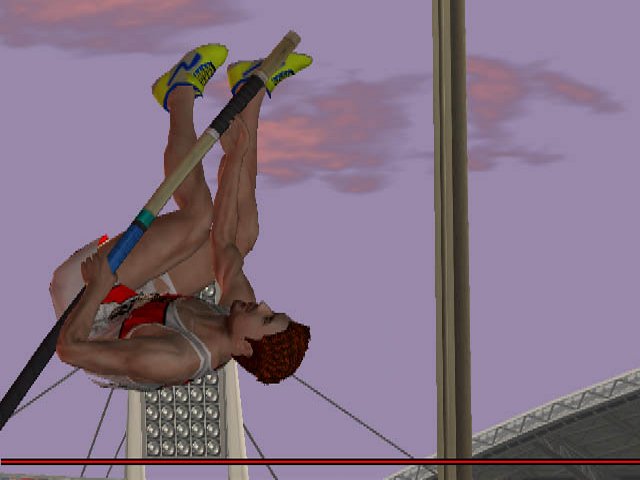
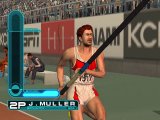
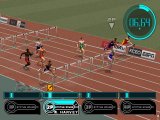
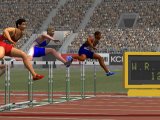
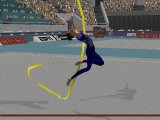
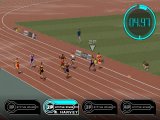
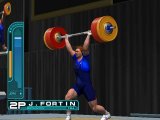
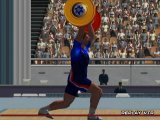
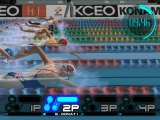
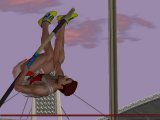
ESPN International Track & Field still relies heavily on the quick tap-tap-tap on the control buttons to simulate the power exerted by the on-screen athlete. The 100m Dash is just a skill in timing the gun off the gate and pushing those buttons as fast and as well timed as you can. The 110m Hurdles throws a series of gates that you'll have to time another button press while running to leap over them. The Long Jump requires energy, timing, as well as an additional element -- angle adjusting -- to hop as far into the sandpit as possible. The Pole-vault requires the timing control scheme twice to get the athlete over the bar without knocking it down, and the Weightlifting event will have you literally out of breath to get those huge heavy discs over the head, and the 100m Freestyle Swimming puts the task of rapid button pressing at the same time on your index fingers. The Javelin Throw is again, like the original PS version, the toughest event to break the world record, and probably the least of my favorite "evolutions" of the new way of playing the game.
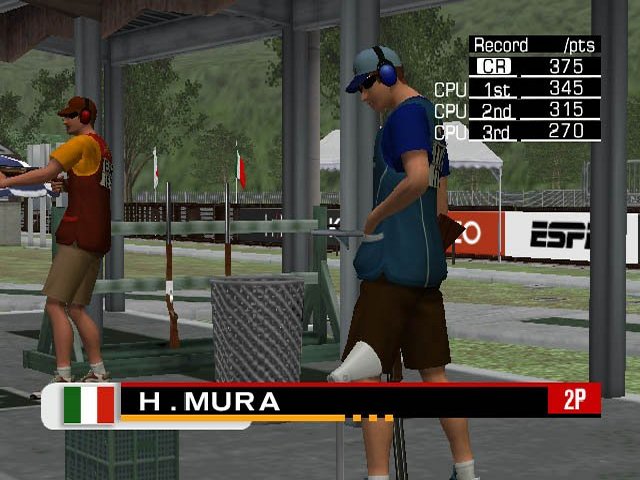
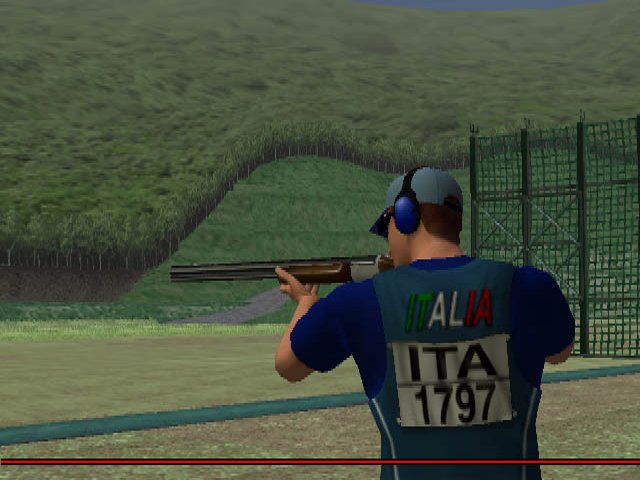
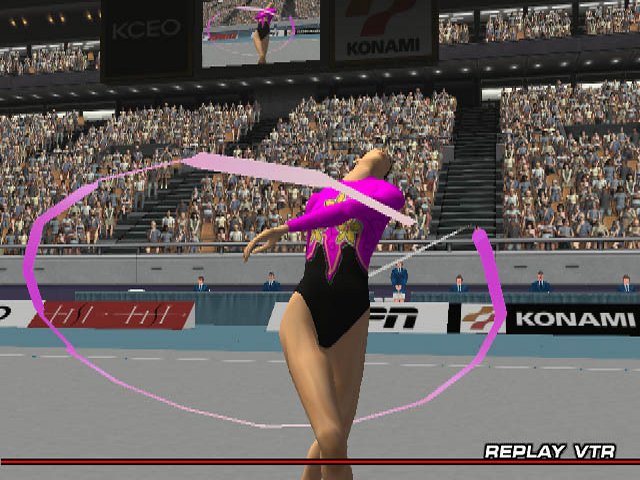
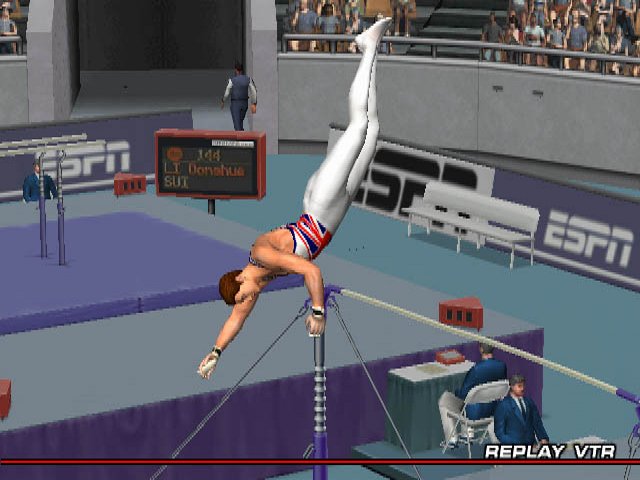
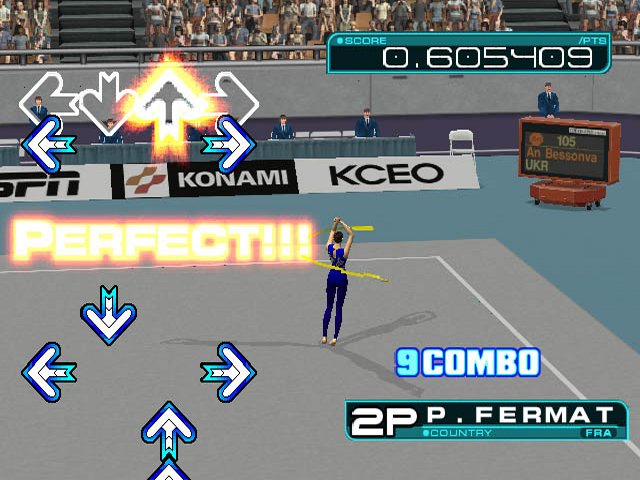
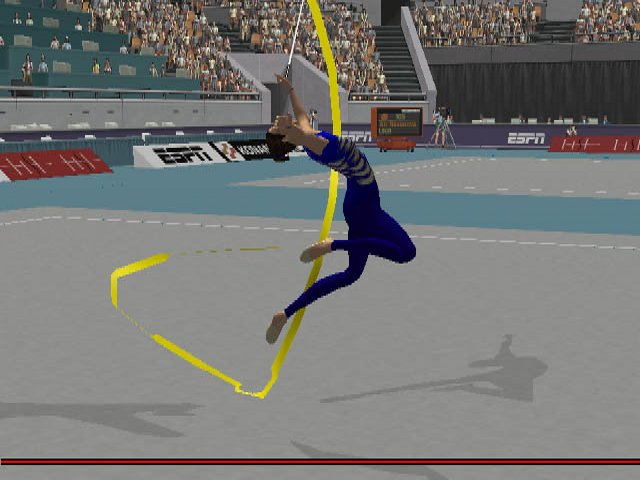
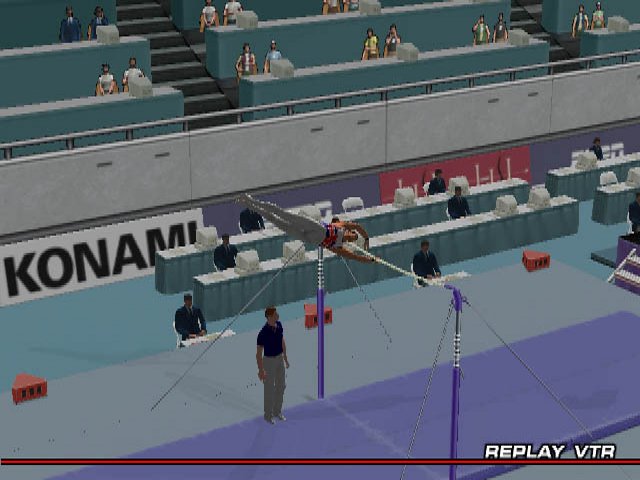
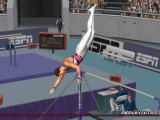
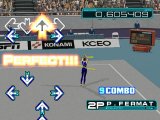
Trap Shooting is exactly what gamers got back in the NES days in Duck Hunt, where the task is to target clay disks launched in the air. Horizontal Bar Gymnastics requires a well-timed button-press to start a move, and a series of five "up, down, left, right" control pad presses to pull them off properly. The final event (and probably the oddest Olympic event around anyway): Rhythmic Gymnastics. These three events are a nice break in the rapid-fire action, but don't really offer much in the way of competitive element when playing against other players. Still, they're done well, if not a bit different than the "power" events�
As an incentive to keep you playing, however, there's an Awards Box, in which unlocked hidden items appear as you win awards in the championship or single-event plays. Most of them are horribly organized interviews with the athletes responsible for the motion capturing within the game, but there are a few gems. Score a gold medal on each of the three songs in Rhythmic Gymnastics and you'll access the opening theme song as a bonus track in the event. Grab a gold in every event and you can access a Funny Sounds option that can change all the incidental event sound effects into robots or animal calls -- it's nice to know these guys still have a sense of humor, even though it looks like all those crazy happenings, like knocking down a UFO, didn't make the cut this time around.
Graphics
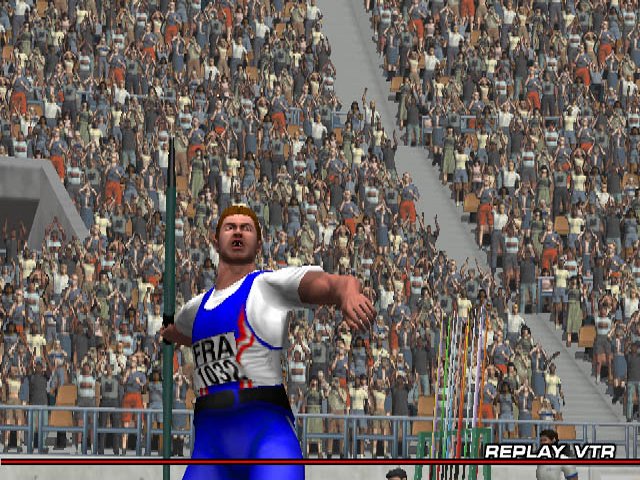
Ever since the game moved to 3D on the original PlayStation, Konami gave equal focus to presentation as it did in the gameplay category, and the development team doesn't disappoint again in the PS2 rendition of the series. While the character models are flatly textured in their features, they run, move, walk, strut, and idly scratch their foreheads with incredible realism thanks to the in-depth motion capturing performed with real Olympic athletes. The game never, ever, ever drops below 60 frames per second in any part of the game, so you'll never lose a beat hitting the proper points to get your guy to jump�or flip�or dance�
Even more impressive is the camerawork that's done in ESPN International Track & Field. Konami really worked hard offering a true network presentation to jolt that dormant adrenaline in your veins - break a world record in the 100 yard dash and your athlete will trot off the finish line, look up to the board to see the score flashing in the yellow lighted stadium sign - all the while the camera "director" constantly follows the action with on-field handhelds that actually "bounce" the image realistically - no Steadycams here�and that's a good thing.
Sound
The same attention is given to the sound department as well -- it's always incidental stadium audio calling out the times or the distance, but every single possible numeric figure has been recorded seamlessly -- no awkward pauses between "Seven�point�eight�three�meters." Everything comes off great. Even better, the stadium sound really gets you going, especially if you've hit a highpoint in the event -- land in the pit in the Long Jump at a far distance and you'll know you hit a record breaker by the sound of the crowd cheers�even before they measure the spot.

|