Reviews
>> Armored Core 2
>> DOA2: Hardcore
>> ESPN International
Track & Field
>> Eternal Ring
>> Evergrace
>> Gun Griffon Blaze
>> Midnight Club: Street
Racing
>> NASCAR 2001
>> Q-Ball Billiards Master
>> Ridge Racer V
>> SSX
>> Street Fighter EX3
>> Swing Away Golf
>> Time Splitters
>> Tekken Tag Tournament
>> X-Squad
Previews
>> Metal Gear Solid 2
|

Publisher:Tecmo
Developer: Team Ninja
Genre: Fighting
Origin: Japan
Number of Players: 4
Dual Shock: Yes
Peripherals: Analog, Memory Card
ESRB: T












|
DOA2: Hardcore
An incredible fighter that sticks with the game plan, and is much deeper than it seems.
Gameplay
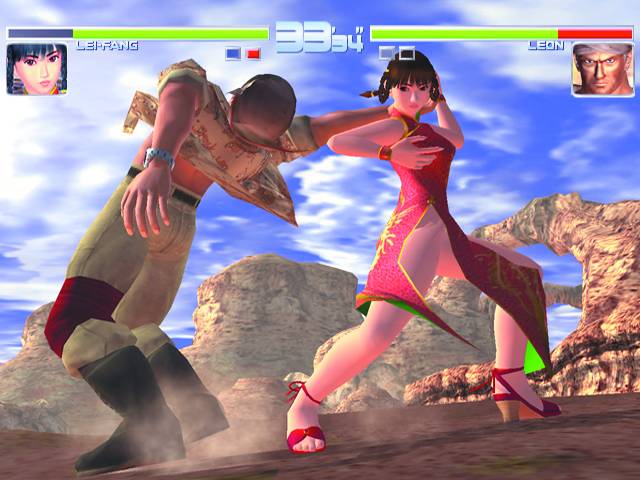
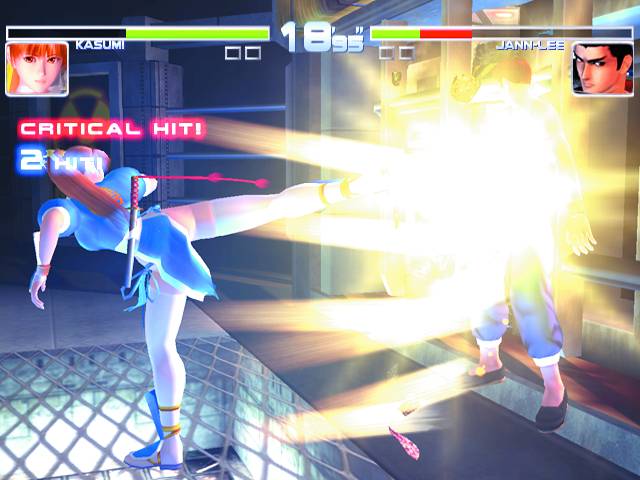
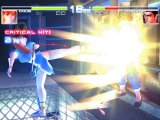
DOA2: Hardcore moves the series further in its own direction, though, drawing some influence from Soul Calibur and naturally developing the reversal system that's all its own. That's the central element of DOA's fighting system. While strikes, throws, and offensive holds will probably occupy the balance of your time, what can really swing the balance of the game (and what is the mark of an experienced player) is the ability to catch and reverse your opponents' attacks with a directional motion and the "free" button.
The PS2 version sets things up with movement on the D-pad, a shortcut to free movement on the left analog stick, and all four face buttons used - one of them is a combination of free and punch, the basic throw input. It doesn't really possess much advantage over the Dreamcast control scheme, although it's perhaps a little easier to reach the PS analog stick, and the stiffer D-pad on the Dual Shock is more responsive to double-tap motions.
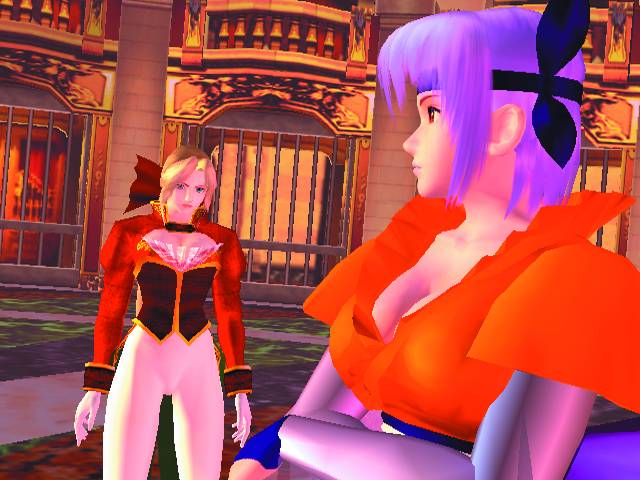
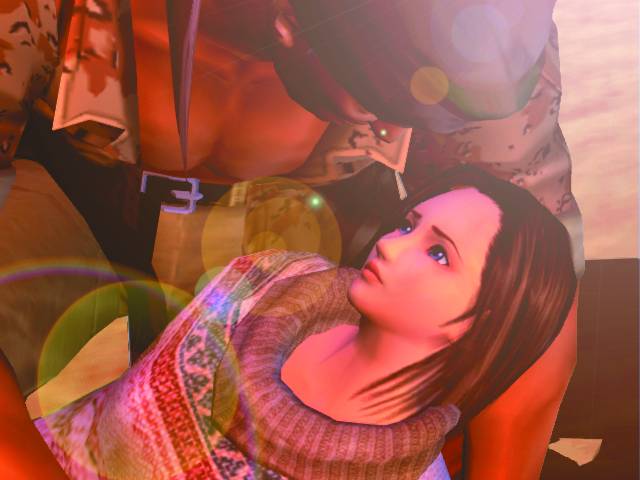
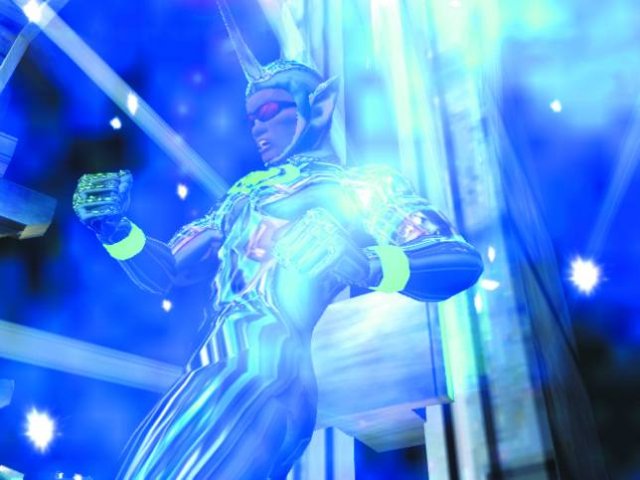
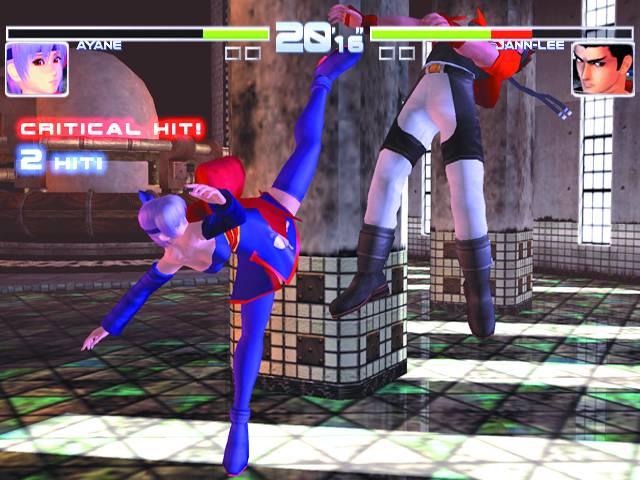
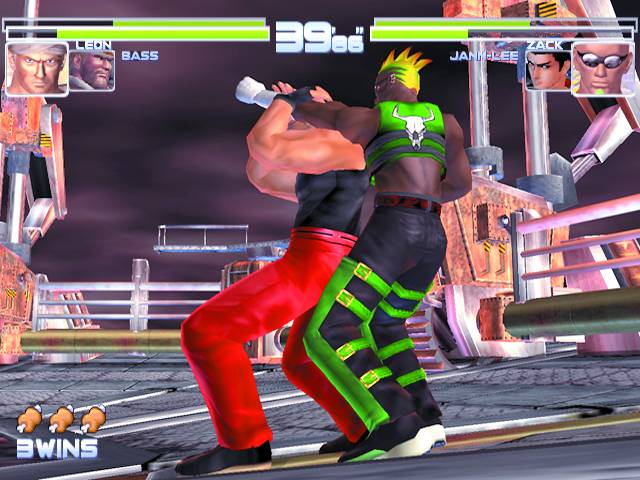
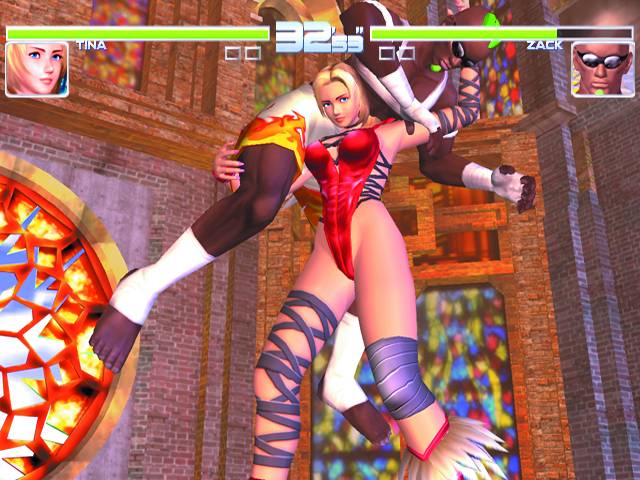
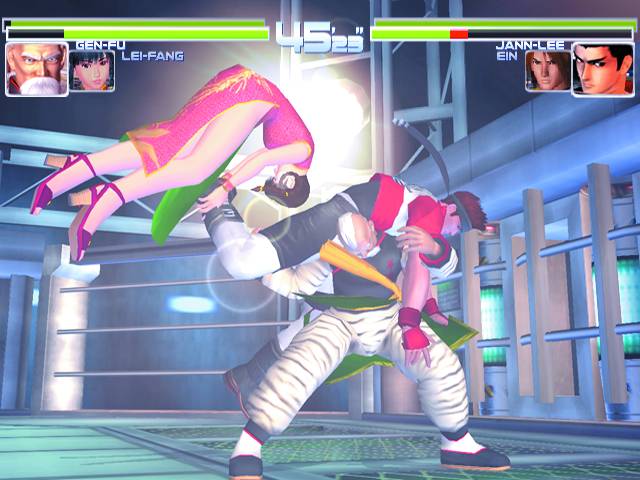
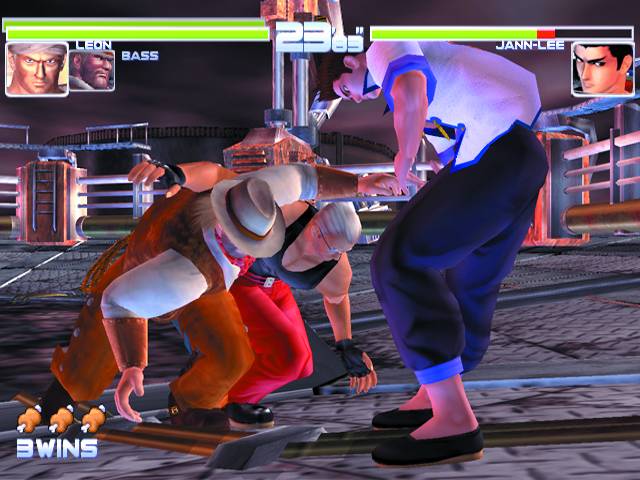
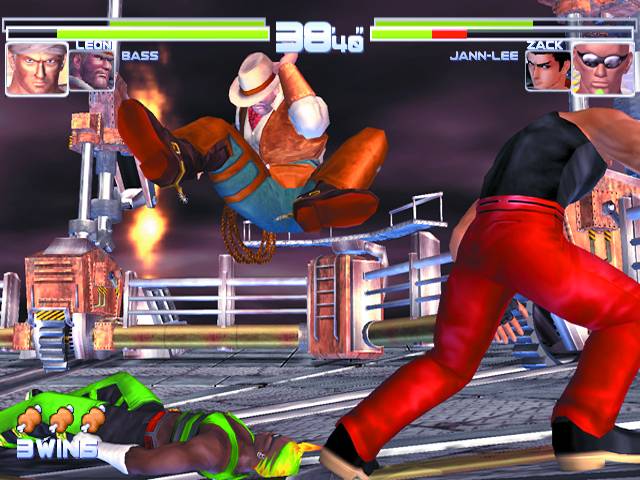
DOA2: Hardcore on PS2 is the most complete version of DOA2 available, possessing more features than either of the original versions or the Japanese Dreamcast release. It shares its new costumes with that last version there, but unlike either Dreamcast version, it includes three new tag battle arenas, all of them a sight more attractive than the drab Danger Zone arena where all the tag action in the Naomi and DC versions takes place. It has a pair of gallery modes, where you can check out movies and still art of the various DOA2 characters, and both Bayman and Tengu are eventually playable, although neither is that impressive an addition. Leon was more than half a carbon copy of Bayman to begin with, and Tengu achieves the improbable feat of being even cheaper and uglier than Shin Ogre.
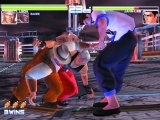
As far as actual gameplay is concerned, there are also several new moves for different characters, although their significance is generally minor or entirely cosmetic. It's cool to check out all the new double-team moves in the tag mode, in other words, but what the move looks like doesn't have any bearing on whether or not it'll win the fight for you. Every so often, though, you'll run into a new move that actually does something worthwhile, and it'll turn your head for a moment.
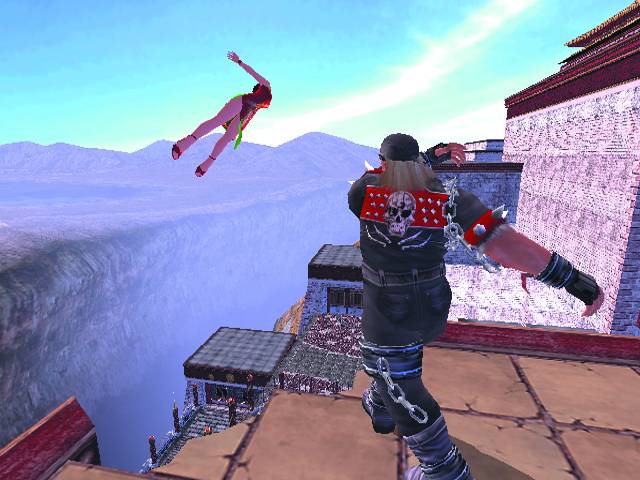
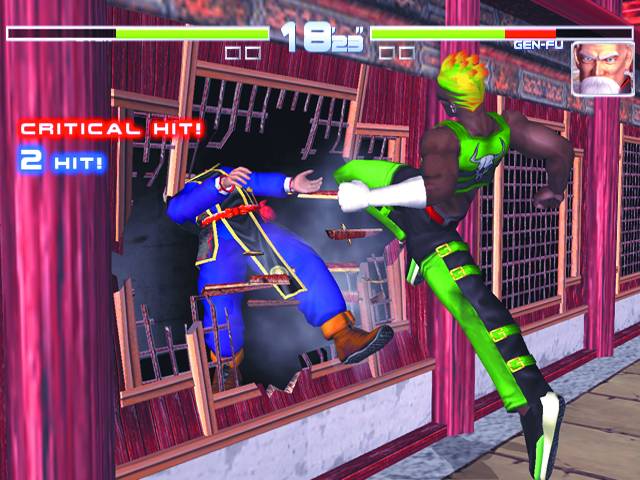
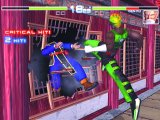
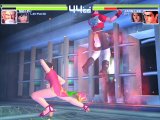
That feeling actually pops up in a number of different situations with Dead or Alive 2. It's actually a very subtle game in many ways. Slipping on ice in the arctic levels. Kicking up water droplets in puddles here and there. The occasional pressures applied by the oddly-shaped levels, which affect both your movement and certain special throw moves. And of course, there's the thundering exclamation point of crashing through the multilayered arenas, falling over edges, bouncing off the walls, or breaking through them altogether into entirely new areas.
Graphics
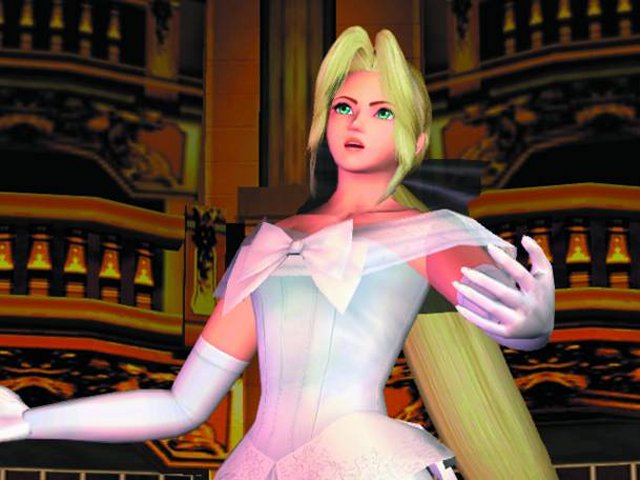
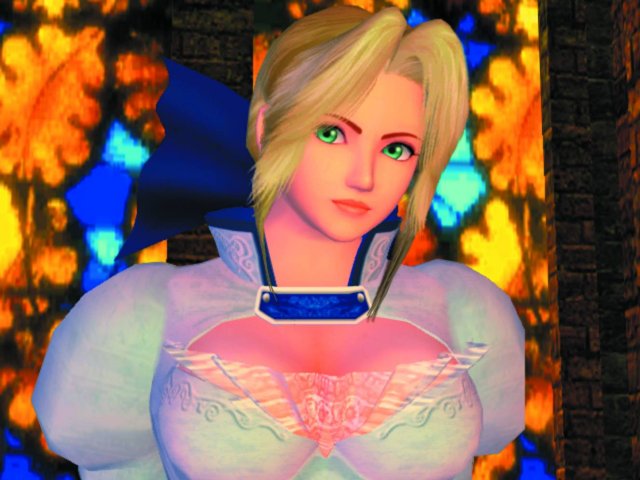
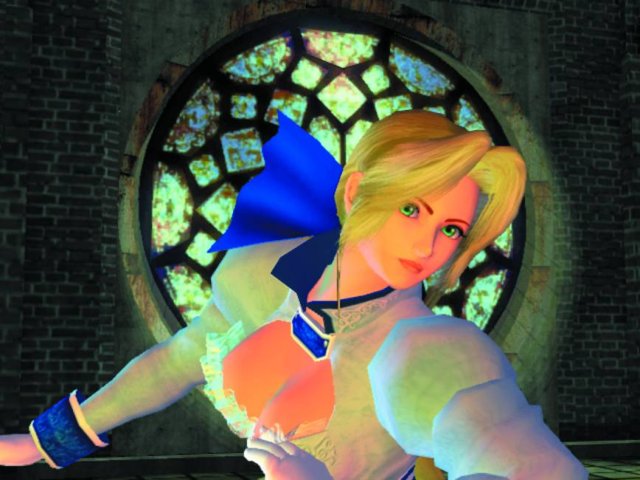
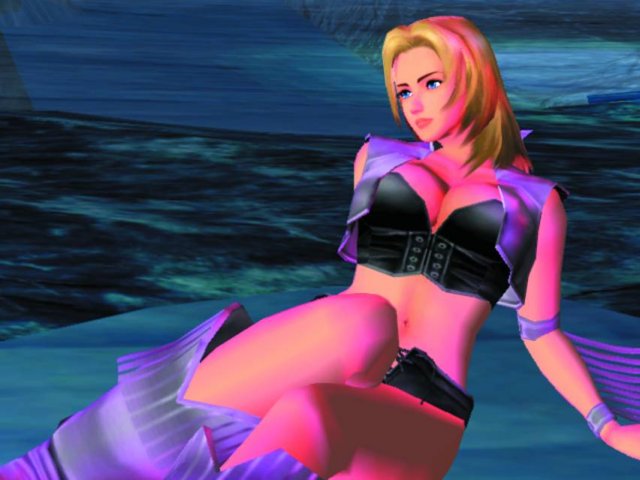
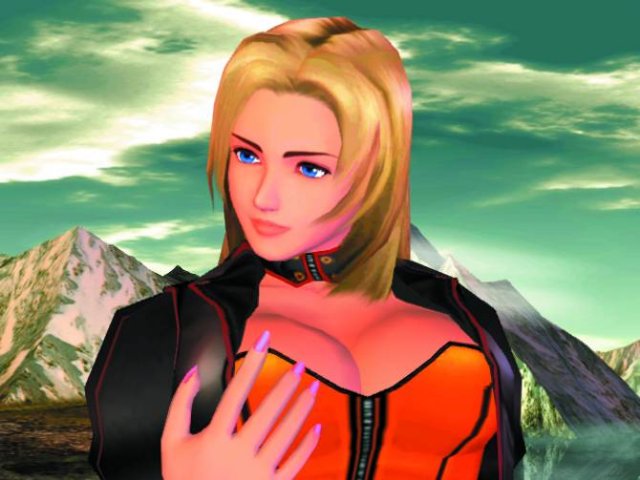
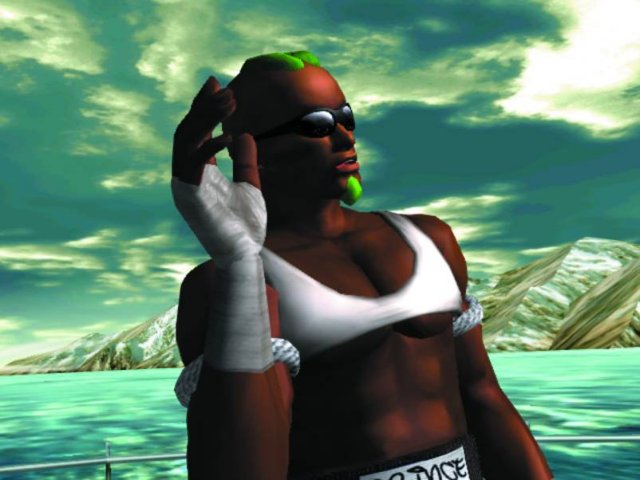
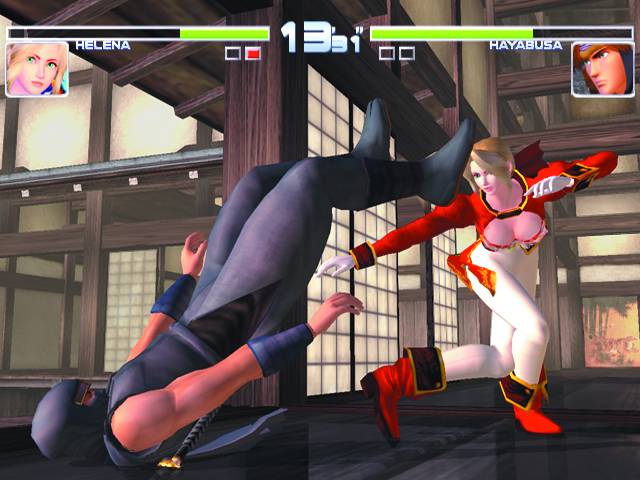
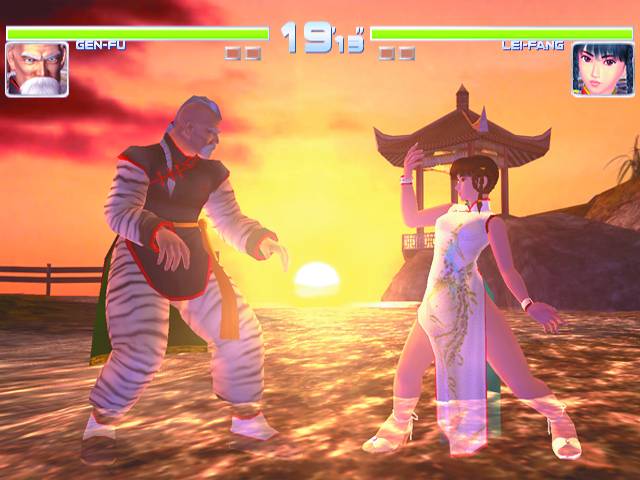
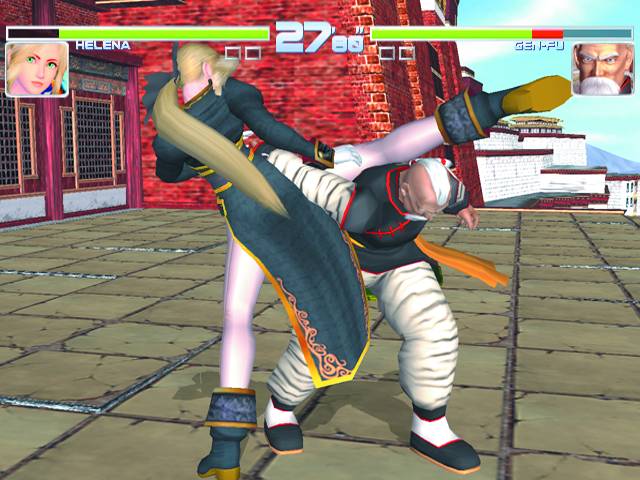
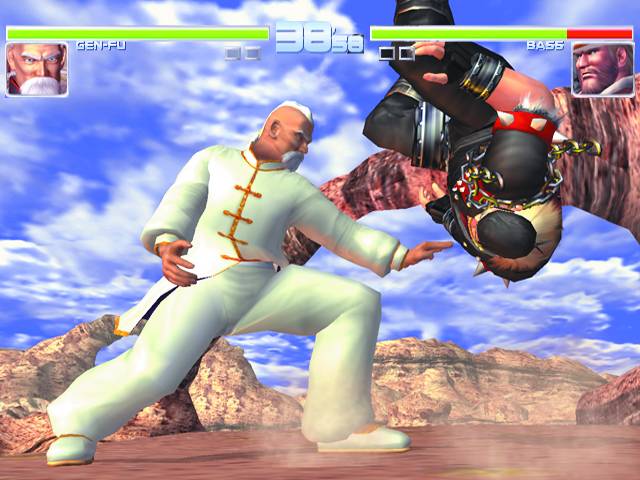
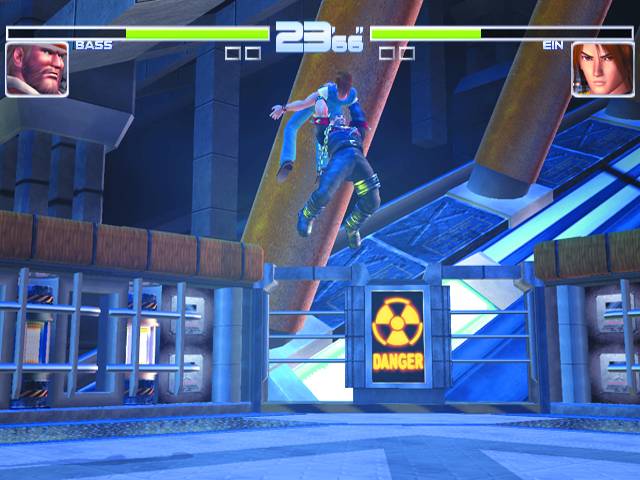
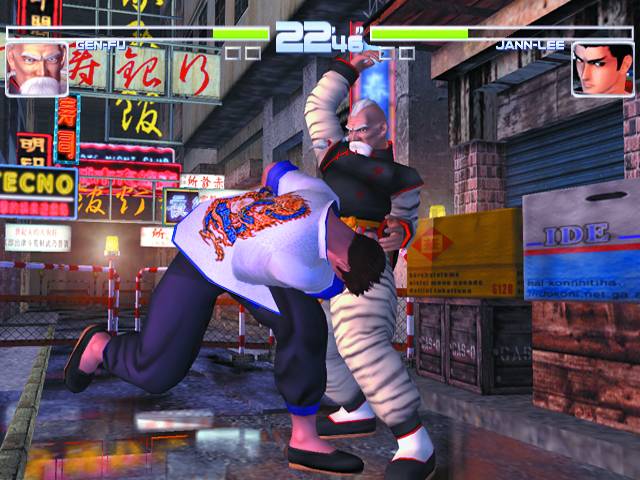
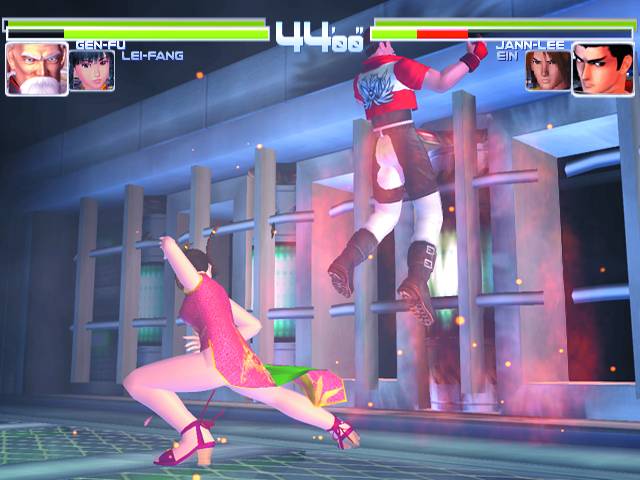
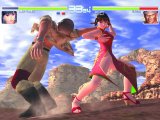
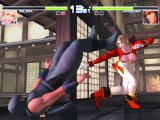
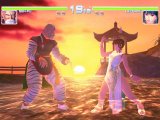
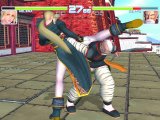
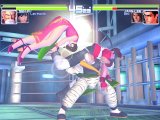
DOA2: Hardcore is hands-down the best-looking port of anything on PlayStation. It's easily a visual match for the Dreamcast version. The character models are tall, smooth, richly animated, and every one of their many ridiculous outfits is covered with excellent texture detail. Complex wrestling type moves come off with very few clipping errors between the characters, which is very surprising considering how fast the animations execute and how complex the interactions are.
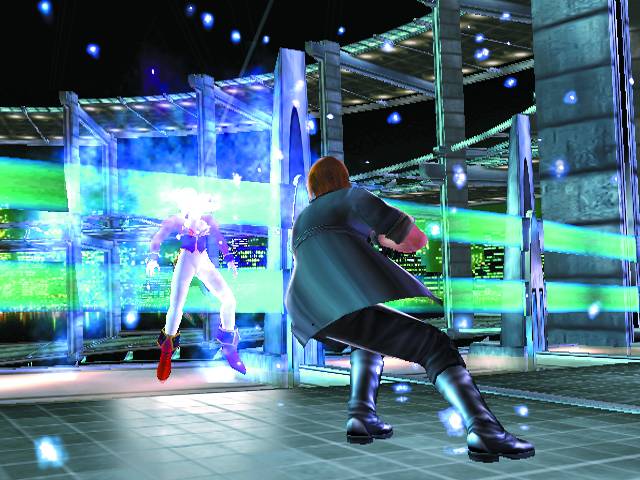
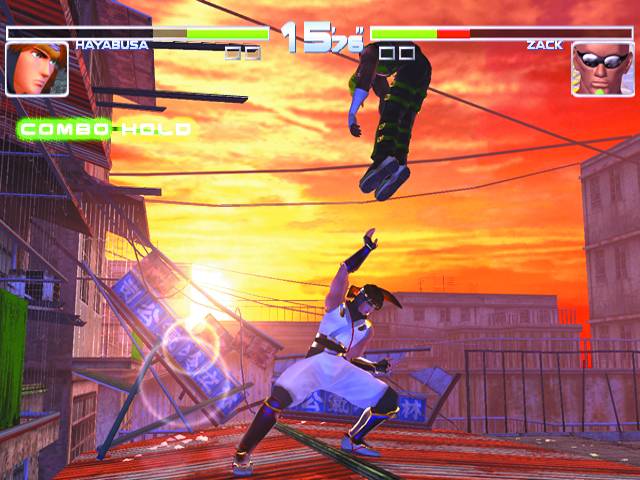
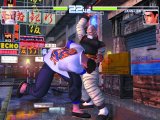
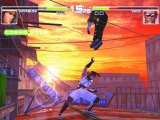
The levels in DOA2, meanwhile, are masterpieces of visual as well as structural design. They look so good, it's almost a shame to run around smashing all the walls. This goes double for some of the additions to Hardcore, which equal almost anything on the market in terms of visual opulence. A new level set on a rooftop in Hong Kong brings to mind Shen Mue's detailed cities - buildings tower on either side with all kinds of signs and banners hanging from them, and a beautiful sunset shines down over everything. Fall over the edge and you're in one of the alleys from Tekken Tag, surrounded by neon lights that reflect in the puddles on the ground.
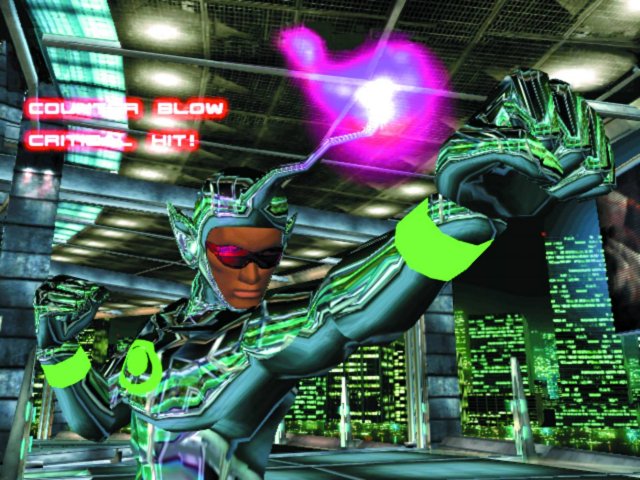
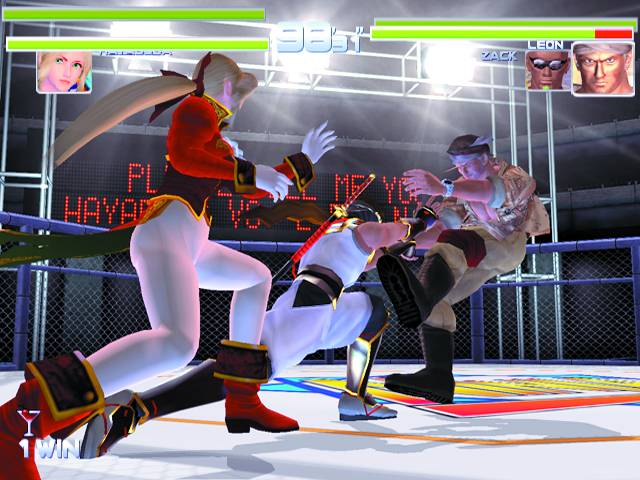
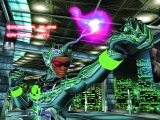
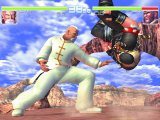
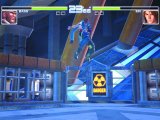
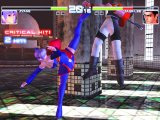
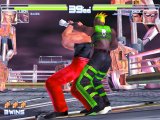
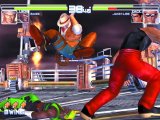
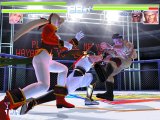
The new tag arenas vary in terms of complexity, but they're all very clean visual creations, and each has some original effects to make it unique. The UFC-style octagon stage doesn't overawe with its detail or design, but it's a nice addition nonetheless, and there's a cool marquee that shows the names of the fighters in the ring. Another new tag stage (called "The Pancratium", I believe), is much more impressive, showing a massive castle towering in the stormy background, and it has some gorgeous purple lightning effects when you bounce an opponent off the walls. The most unusual of the lot takes place in some sort of abandoned mutant construction site, with ground that gently slopes toward a brown pool in the center - the water has the same effect as the streams in the temple stage.
The new tag stages are a very welcome addition.
Sound
If you've heard DOA2, you've heard Hardcore, modern hard rock, but it's a nice change from the generic game music that comprises most of the tracks, and the mutant English lyrics lend a cheerfully bizarre quality to the music. The effects, meanwhile, get the job done - the sound of crashing walls and exploding energy bolts is a special highlight, but all of the sound bites accent attacks and events well.

|