 |
 |
 |
 |
 |

| Ants, Bees & Wasps | Hymenoptera membranous wing; Hymen = membrane, ptera = wings.
Winged forms of ants, bees and wasps possess 2 pair of membranous wings.
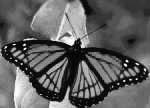
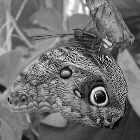
Butterflies & Moths Lepidoptera means scale wings; lepido = scale, ptera = wings. Wings of butterflies and moths are often covered with a colorful mosaic of minute scales. |
| Flies | Diptera means two wings; di = two, ptera = wings. Flies
do very well with their single pair of fore wings. The hind pair are often
reduced to a couple of knob-like balance organs. Beetles Coleoptera means sheath wings; coleo - sheath, ptera = wings. Beetles front pair of wings are modified to hardened casings, known as elytra, to protect the hind wings and body below. |
| Lacewings & Antlions | Neuroptera means nerve wings; neuro = nerve, ptera = wings.
Wings of these insects are constructed with an elaborate network of supporting
veins. Cicada, Hoppers & Aphids Homoptera means uniform wings; homo = alike, ptera = wings. The front wings of these insects have a uniform textured appearance in contrast to their Hemiptera relatives. |
| True Bugs | Hemiptera means half wings; hemi = half, ptera = wings.
The front wings of these insects are divided between a thickened basal
region and a membranous tip. Cockroaches Cockroaches are fast-running insects often with wings. A few well know species have successfully evolved to exploit human dwellings and food supplies. |
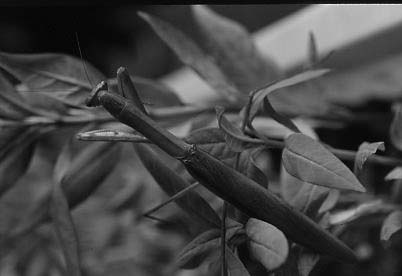
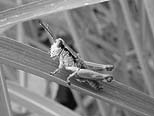
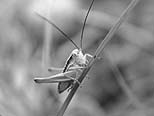
| Mantids | Mantodea means soothsayer; a person claiming to be able to predict the future. These insects have highly modified front legs often held in a position suggestive of prayer. Grasshoppers & Crickets Orthoptera means straight wings; ortho = straight, ptera = wings. These insects often have a pair of elongated and thickened forewings and a membranous hind pair. |
| Walking Sticks | Stick insects are usually extremely elongated and twig-like in appearance. Sometimes this camouflage is taken a step further with the addition of leaf-like structures. Dragonflies & Damselflies Odonata means tooth. Apart from jet propulsion, the aquatic nymph often possess an extendable jaw capable of catching prey some distance away from the rest of the head. |
| Mayflies | Ephemeroptera means short-lived wings; emphemera = one day, ptera = wings. After a year or more as an aquatic nymph, adults emerge in swarming nuptial flights and live for only a day or so. Some Are Not Insects Arthropod means segmented feet; arthro = joint, poda = foot. Including insects, this huge group contain animals often mistaken for insects such as spiders and centipedes. |

|
|
|
|
|
|