 |
 |
 |
 |
 |

Insect Growth and Development (Metamorphosis)
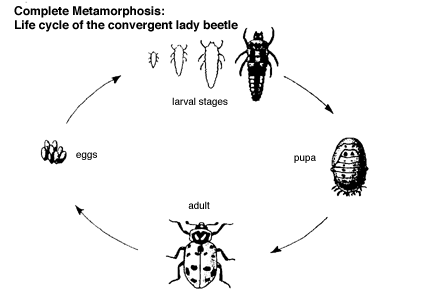
Insects typically pass through four distinct life stages: egg,
larva or nymph, pupa, and adult. Eggs are laid singly or in masses, in or
on plant tissue or another insect. The embryo within the egg develops, and
eventually a larva or nymph
emerges from the egg. There are generally several larval or nymphal stages
(instars), each progressively larger and
requiring a molt, or shed of the outer skin, between each stage. Most weight
gain (sometimes > 90%) occurs during the
last one or two instars. In general, neither eggs, pupae, nor adults grow
in size; all growth occurs during the larval or
nymphal stages.
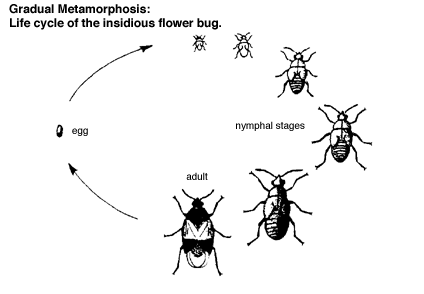
The two types of metamorphosis typical of insect pests and natural
enemies are gradual (egg > nymph > adult) and
complete (egg > larva > pupa > adult). In gradual metamorphosis,
the nymphal stages resemble the adult except that they
lack wings and the nymphs may be colored differently than the adults. Nymphs
and adults usually occupy similar habitats
and have similar hosts. Gradual metamorphosis is typical of true bugs and
grasshoppers; complete metamorphosis is
typical of beetles, flies, moths, and wasps. The immatures of these latter
species do not resemble the adults, may occupy
different habitats, and feed on different hosts. Some moth and wasp larvae
weave a silken shell (cocoon) to protect the
pupal stage; in flies, the last larval skin becomes a puparium that protects
the pupal stage.
Insects are cold-blooded, so that the rate at which they develop
is mostly dependent on the temperature of their
environment. Cooler temperatures result in slowed growth; higher temperatures
speed up the growth process. If a season
is hot, more generations may occur than during a cool season.
A better understanding of how insects grow and develop has contributed
greatly to their management. For example,
knowledge of the hormonal control of insect metamorphosis led to the development
of a new class of insecticides called
insect growth regulators (IGR). The insect growth regulators are very selective
in the insects they affect. Based on
information about insect growth rates relative to temperature, computer models
can be used to predict when insects will be most abundant during the growing
season and, consequently, when crops are most at risk.

|
|
|
|
|
|