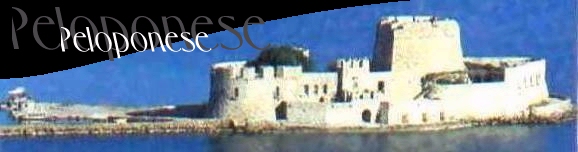
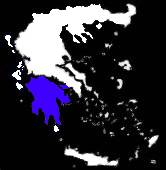
 The southernmost geographic section of mainland Greece. Originally it was an island, but intense geological upheavals in the region united and separated it from the mainland twice. Later, a new retreat by the sea formed the isthmus of Corinth. This land bridgewas was always considered for cutting from the ancient Greeks but it was cut only in the late 19th century to make the Corinth canal, making the Peloponese an island yet again.
The Peloponese (Peloponnisos) is a rugged land and in its interior is highlands. The climate is purely Mediterranean along the coasts, unlike the centre which was relatively continental climate.
A mythical land whose every corner brings to mind some Greek myth, the Peloponese is composed of images and music, the scents of the sea, of the mountains, of grapes, olives and citrus. The cities, towns, and spas of the region were important centres in antiquity and remain so today. Villages seem to grow out of the grey rock, the wild stones next to the hostile furze. Other villages lie by the vast open sea, but everywhere the people are vital, hospitable, haughty and proud.
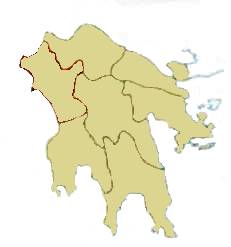
Peloponese is divided in seven prefectures: Ilia, Messinia, Arcadia, Lakonia, Argolida, Korinthia and Achaia.
|