

And he will fire you back to the Home Page
Copyright� 2001 Mark Pettke. All rights reserved.
|
|
|
|
|
|
|
|
|
|
|
|
|
|
|
|
|
|
|
|
|
|
|
|
|
|
|
|
|
|
|
|
|
|
|
|
|
|
|
|
|
|
|
|
|
| Mark Pettke Presents | ||||||||||||||||||||||||||||||||||||||||||||
| Give me Liberty or Give me Death!!! | ||||||||||||||||||||||||||||||||||||||||||||
|
|
||||||||||||||||||||||||||||||||||||||||||||
| Francis Marion | ||||||||||||||||||||||||||||||||||||||||||||
| Home | |
|||||||||||||||||||||||||||||||||||||||||||
|
||||||||||||||||||||||||||||||||||||||||||||
| Known Heroes | ||||||||||||||||||||||||||||||||||||||||||||
| Unknown Heroes | ||||||||||||||||||||||||||||||||||||||||||||
| (1732-1795) | ||||||||||||||||||||||||||||||||||||||||||||
| Marion | ||||||||||||||||||||||||||||||||||||||||||||
| Greene | ||||||||||||||||||||||||||||||||||||||||||||
|
||||||||||||||||||||||||||||||||||||||||||||
| Morgan | ||||||||||||||||||||||||||||||||||||||||||||
| Hale | ||||||||||||||||||||||||||||||||||||||||||||
| Kosciuszko | ||||||||||||||||||||||||||||||||||||||||||||
| Warren | ||||||||||||||||||||||||||||||||||||||||||||
| Links | ||||||||||||||||||||||||||||||||||||||||||||
| Quotes | ||||||||||||||||||||||||||||||||||||||||||||
| Footnotes | ||||||||||||||||||||||||||||||||||||||||||||
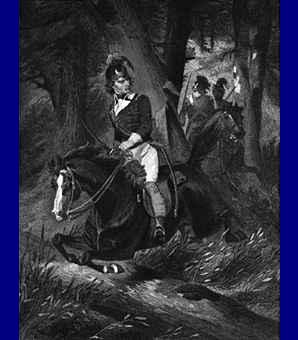
| Francis Marion was born in 1732 in Berkeley County, South Carolina (the same year as George Washington). He was the youngest of seven children born to a farming family. As a child, Marion was tiny, frail and sickly. This was probably due to the swampy area he grew up in. These same swamps would later prove to be a great benefit to Marion and to our future country. As Marion grew he was taught by local Indians how to fight, survive and prosper in the local swamps. He learned the area well and never got lost. | ||||||||||||||||||||||||||||||||||||||||||||
| At 15, Marion had a yearning for the sea and jumped ship for the West Indies. This fling was short lived when a whale collided with the small schooner and sunk it. Marion narrowly escaped with his life and returned home to the safer occupation of farming. | ||||||||||||||||||||||||||||||||||||||||||||
| In 1761, Indians struck the western borders of the Carolinas. Marion, now already a veteran of numerous Indian battles, was assigned as a First Lieutenant under Captain William Moultrie. It is here that Marion met Peter Horry his future chief lieutenant and right hand man. It is also here where the legend of Francis Marion begins. Marion led a small band of thirty men on horseback against an Indian encampment and was met with fierce opposition. Although then ally British Colonel James Grant's men provided much support it was the superiority of the American rifleman who forced an Indian surrender. | ||||||||||||||||||||||||||||||||||||||||||||
| Marion was elected to the First Provincial Congress of South Carolina. Marion voted in favor of independence and was appointed Captain under Moultrie again in 1776. | ||||||||||||||||||||||||||||||||||||||||||||
| In June 1776, Marion helped lead a force outnumbered 3 to 1 fight the battle of Fort Sullivan. From a tiny and inadequate fort, they defied 9 British warships. It is said Marion fired the final shot that sank the Bristol and sent the British fleet in retreat on June 28th, 1776. The victory marked the first important victory for the Americans and denied the British Charleston for the time being. | ||||||||||||||||||||||||||||||||||||||||||||
| In 1780, Charleston fell and Moultrie was captured. Francis Marion, now a brigadier general, escaped capture and formed a group of men, commonly known as Marion?s Brigade. Comprised of approximately 150 penniless patriots, they had poor uniforms, poor equipment, and survived off the land. What this unit lacked was offset by their ingenuity and knowledge of the local area. ";Marion understood best of all the difference between guerrilla bands and organized armies." (1) Hit and run tactics were his specialty and his motto could be best said to be, do damage and get out. It was his propensity to hit his targets and disappear into the surrounding areas that earned him his nickname the Swamp Fox. | ||||||||||||||||||||||||||||||||||||||||||||
| British commanders began to dread his name. Supply routes were changed and convoys were over guarded at the mere mention of his name. "Three times Cornwallis added to the garrison at Nelson's Ferry simply because Marion was thought to be in the neighborhood."(2) But Marion was never where the British expected him to be. | ||||||||||||||||||||||||||||||||||||||||||||
| As the war progressed , Marion's Brigade continued to harass British communications, capture supply convoys and intimidate loyalists and Tories. They rested during the day and marched at night, often attacking at midnight. Blankets were laid on wooden bridges to muffle the sounds of horse hooves when crossing. A campfire was never used twice . When planning a raid details were kept secret by Marion until the last moment. Many of these tactics perfected by Marion's Brigade are still used today in the training of U.S. Navy Seals, U.S. Army Rangers, and U.S. Marine Corps Special Forces. | ||||||||||||||||||||||||||||||||||||||||||||
| Marion was often seen as no more than a minor nuisance by British commanders such as Cornwallis. He was often overlooked as only a token force by his own superiors as well, namely General Horatio Gates, who had no use for Marion's rabble band or his tactics. Marion however understood the size of his force could never take or more importantly hold any ground for the Americans. Marion also knew that his continued harassment and attacks would force the southern British armies to remain in the south and deal with him thus delaying them from entering and shifting the balance of the war in the north. He successfully achieved this when Nathaniel Greene who replaced Gates as the American Southern Commander approved and assisted his efforts. | ||||||||||||||||||||||||||||||||||||||||||||
| "After the war, Marion was elected and served in the South Carolina senate, where he advocated a lenient policy toward loyalists."(3) In the years following Marion helped cultivate and establish indigo as a cash product in South Carolina. He died in 1795 on his plantation at Pond Bluff, South Carolina. On his death bed Marion stated to his wife Ester, "I leave you, this state and this country in the safekeeping of the Almighty."(4) He was buried at Belle Isle, St. Stephen, one of his many hiding places during the war. It is a fitting place for him, as he was always at home in the swamps. | ||||||||||||||||||||||||||||||||||||||||||||
| After his death, his family turned down a national monument proposed by congress. Saying he would rather be remembered for his achievements in indigo. On another note the 2000 Mel Gibson blockbuster motion picture The Patriot was loosely based on the Swamp Fox. | ||||||||||||||||||||||||||||||||||||||||||||
|
||||||||||||||||||||||||||||||||||||||||||||
| Click the Soldier And he will fire you back to the Home Page |
||||||||||||||||||||||||||||||||||||||||||||
| Last Updated January, 2002 by Mark Pettke Copyright� 2001 Mark Pettke. All rights reserved. |
||||||||||||||||||||||||||||||||||||||||||||