

And he will fire you back to the Home Page
Copyright� 2001 Mark Pettke. All rights reserved.
|
|
|
|
|
|
|
|
|
|
|
|
|
|
|
|
|
|
|
|
|
|
|
|
|
|
|
|
|
|
|
|
|
|
|
|
|
|
|
|
|
|
|
|
|
|
|
|
|
|
| Mark Pettke Presents | |||||||||||||||||||||||||||||||||||||||||||||||||
| Give me Liberty or Give me Death!!! | |||||||||||||||||||||||||||||||||||||||||||||||||
|
|
|||||||||||||||||||||||||||||||||||||||||||||||||
| Home | |||||||||||||||||||||||||||||||||||||||||||||||||
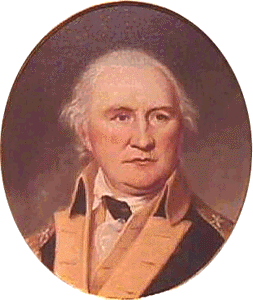
| Daniel Morgan | |||||||||||||||||||||||||||||||||||||||||||||||||
|
|||||||||||||||||||||||||||||||||||||||||||||||||
|
|||||||||||||||||||||||||||||||||||||||||||||||||
| Known Heroes | |||||||||||||||||||||||||||||||||||||||||||||||||
| Unknown Heroes | |||||||||||||||||||||||||||||||||||||||||||||||||
| (1736-1802) | |||||||||||||||||||||||||||||||||||||||||||||||||
| Marion | |||||||||||||||||||||||||||||||||||||||||||||||||
| Greene | |||||||||||||||||||||||||||||||||||||||||||||||||
|
|||||||||||||||||||||||||||||||||||||||||||||||||
| Morgan | |||||||||||||||||||||||||||||||||||||||||||||||||
| Hale | |||||||||||||||||||||||||||||||||||||||||||||||||
| Kosciuszko | |||||||||||||||||||||||||||||||||||||||||||||||||
| Warren | |||||||||||||||||||||||||||||||||||||||||||||||||
| Quotes | |||||||||||||||||||||||||||||||||||||||||||||||||
| Links | |||||||||||||||||||||||||||||||||||||||||||||||||
| Footnotes | |||||||||||||||||||||||||||||||||||||||||||||||||
| Daniel Morgan was born in New Jersey in 1736. Little is known about his younger years. In his late teens Morgan moved to Virginia to find work as a planter, sawmill worker and a wagoner. Morgan was barely literate, rude and enjoyed a good fistfight. He was also a very determined man and a hard worker. | |||||||||||||||||||||||||||||||||||||||||||||||||
| In 1773 he married Abigail Curry, his housekeeper. By all accounts, she had a positive influence on his manners and morals. Daniel and Abigail Morgan had two daughters. (One, Nancy, married Presley Neville, a Revolutionary War veteran. Their other daughter, Betsy, married James Heard, also a Revolutionary War veteran.) | |||||||||||||||||||||||||||||||||||||||||||||||||
| In 1775 Daniel Morgan joined the American army and accepted a commission of captain of a rifle company. The British captured Morgan and his riflemen at Quebec in December 1775. They released them eight months later on the promise that they would not fight against the British. Morgan was a key military leader at both Battles of Saratoga in 1777. | |||||||||||||||||||||||||||||||||||||||||||||||||
| In 1779 he was passed over for promotion to Brigadier General, Morgan resigned from the Army. In June 1780, Congress offered Morgan command of the Southern Theatre of the war. Since Congress had not offered him a promotion to go with the new command, Morgan declined and remained a civilian. After U.S. General Horatio Gates was defeated at Camden, SC, Morgan put aside his personal feelings and rejoined the army in the Southern Campaign under the command of General Nathaniel Greene. In October of 1780, Congress finally gave him a promotion to Brigadier General. | |||||||||||||||||||||||||||||||||||||||||||||||||
| Morgan's most memorable moment came on January 17, 1781. It was at the Cow Pens, a pasturing area for cattle in the foothills of South Carolina, that Morgan with his experienced, but untrained, militia and 300 Continentals defeated the better-trained British army under Lieutenant Colonel Banastre Tarleton. Morgan knew his men and his opponent and used this knowledge and the terrain to his advantage. | |||||||||||||||||||||||||||||||||||||||||||||||||
| On the morning of January 17, Morgan deployed his men in three main lines of defense. He knew that the militia had a tendency to run. He divided them into two groups and placed sharpshooters on the top of a small hill and ordered them to fire twice and then retreat behind the second line. The second line of militia were positioned just behind the crest of the hill and were to fire twice and then retreat behind the Continentals who were about 150 yards behind them. He kept his reserves, Washington's cavalry, hidden from the British view. He knew that Tarleton's aggressive nature would lead him to drive straight into the Americans | |||||||||||||||||||||||||||||||||||||||||||||||||
| The British arrived about dawn, and Tarleton quickly sent them into battle before they were fully ready. Morgan's militia fired as ordered and retreated. The British pressed on valiantly, engaging the Continentals and fighting hard. Tarleton ordered the 71st Highlanders to advance. They threatened the American right side, and Lieutenant Colonel John Eager Howard ordered the men on the right to turn to face the new threat. The order was mistaken, and the entire line began an orderly retreat. Morgan used the mistaken order to his advantage. He ordered the 3rd line to retreat and then to fire. Meanwhile, thinking that they had won the battle, the British broke ranks and charged forward. The Patriots surrounded the British. The Americans won. | |||||||||||||||||||||||||||||||||||||||||||||||||
| On March 25, 1790 he finally received a gold medal from Congress to honor him for his victory at Cowpens. In 1797 he was elected and served one term in the House of Representatives. He died on July 6, 1802. The last battle scene in the Mel Gibson movie The Patriot is based primarily on The Battle at Cowpens. | |||||||||||||||||||||||||||||||||||||||||||||||||
|
|||||||||||||||||||||||||||||||||||||||||||||||||
| Click the Soldier And he will fire you back to the Home Page |
|||||||||||||||||||||||||||||||||||||||||||||||||
| Last Updated January, 2002 by Mark Pettke Copyright� 2001 Mark Pettke. All rights reserved. |
|||||||||||||||||||||||||||||||||||||||||||||||||