Mars
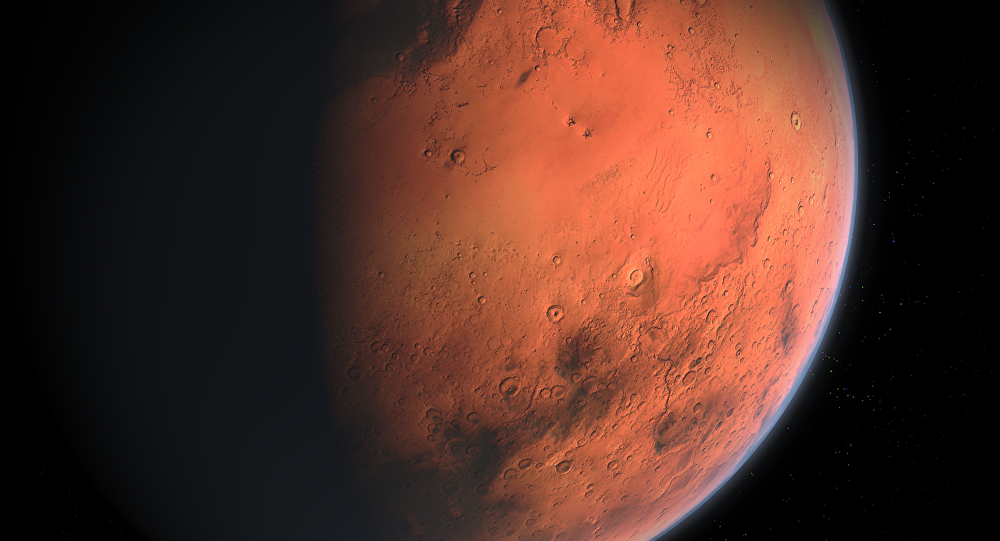
Mars is the fourth planet from the Sun and the second-smallest planet in the Solar System after Mercury. In English, Mars carries a name of the Roman god of war, and is often referred to as the "Red Planet" because the reddish iron oxide prevalent on its surface gives it a reddish appearance that is distinctive among the astronomical bodies visible to the naked eye. Mars is a terrestrial planet with a thin atmosphere, having surface features reminiscent both of the impact craters of the Moon and the valleys, deserts, and polar ice caps of Earth.
Ancient Mars
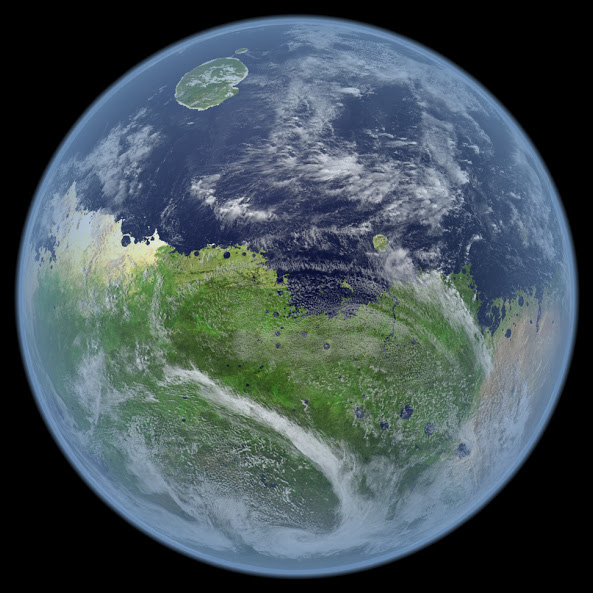
Although the surface of Mars is inhospitable today, there is clear evidence that in the distant past, the Martian climate allowed liquid water, an essential ingredient for life as we know it to pool at the surface. Data from Curiosity reveal that billions of years ago, a water lake inside Gale Crater held all the ingredients necessary for life, including chemical building blocks and energy sources. The Martian surface is exposed to radiation from space. Both radiation and harsh chemicals break down organic matter. Finding ancient organic molecules in the top five centimeters of rock that was deposited when Mars may have been habitable, bodes well for us to learn the story of organic molecules on Mars with future missions that will drill deeper.
Mars Colony
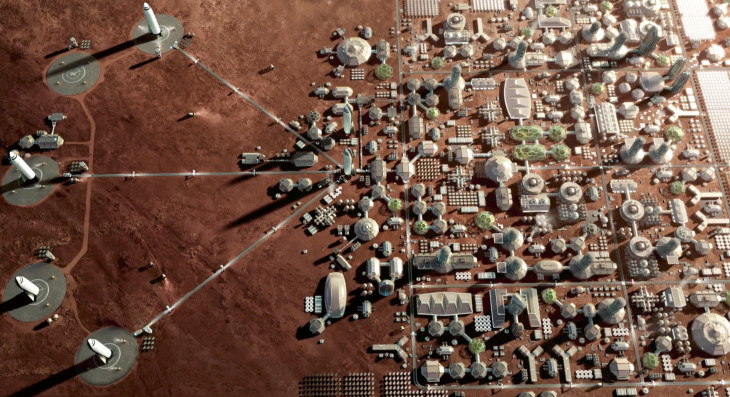
SpaceX intends to create a colony on mars but the objectives for the first mission will be to confirm water resources, identify hazards, and put in place initial power, mining, and life support infrastructure. The second mission will have both cargo and crew and is targeted for 2024, with primary objectives of building a propellant depot and preparing for future crew flights. The ships from these initial missions will also serve as the beginnings of the first Mars base, from which we can build a thriving city and eventually a self-sustaining civilization on Mars.