 |
|
|
|
|
|
|
|
|
|
|
|
|
|
|
|
|
|
|
|
|
|
|
|
|
|
|
|
|
|
|
Home |
|
|
|
 |
|
|
|
|
|
 |
|
|
|
 |
|
|
 |
|
|
|
|
|
|
 |
|
|
|
|
|
 |
|
|
|
|
|
 |
|
|
|
|
|
 |
|
|
|
|
|
 |
|
|
|
|
|
 |
|
|
|
|
|
 |
|
|
|
|
|
 |
|
|
|
|
|
 |
|
|
|
|
|
 |
|
|
|
|
|
 |
|
|
A few odds & ends..... |
|
|
|
|
|
|
The Engines
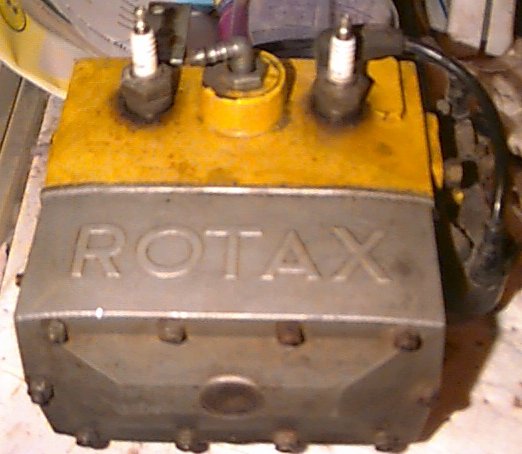
The 318 Rotax appears to be directly pulled from the Ski-doo Olympique 320 snowmobile. There would be some possibility for interchange of parts between certain other single cylinder Rotax engines of similar vintage.
|
|
|
|
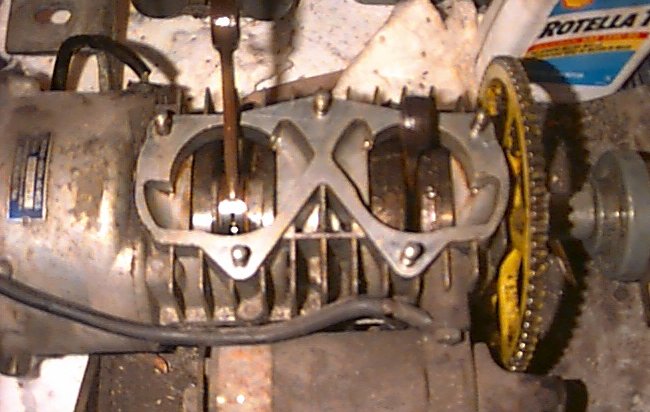
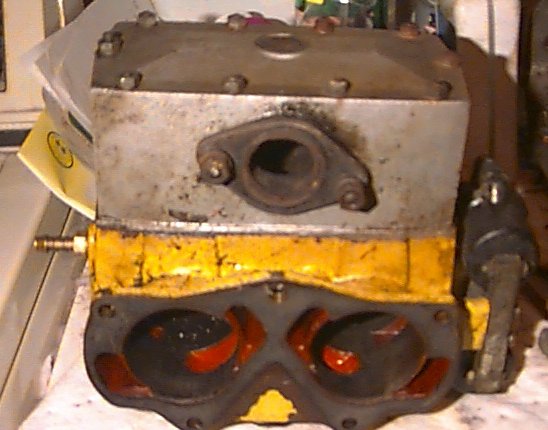
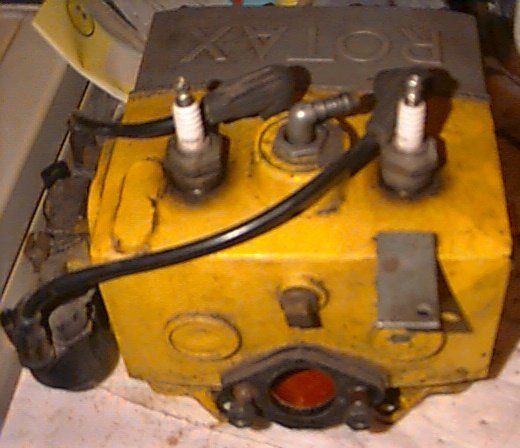
The 368 Rotax liquid cooled twin appears also to have started life in the snowmobile parts bin but has some major peculiarities. The stroke is the same as the 340/368/399 fan cooled twins at 61mm and the same stator/flywheel is used among electric start motors. Early electric start fan motors have the required threaded design at the pto end and when equipped with keyway for ring gear are probably the preferred replacement. Some (most?) electric start sled cranks used an interference fit ring gear (not keyed). These, and manual start cranks, could work as well if the Sea-doo ring gear fits tight enough not to slip.
Crank cases are unique as there are only five cylinder mounting studs.
|
|
|
|
Bore is 62mm and the intake ports are siamesed in the cylinder/head assembly requiring a different mag & pto piston. Cylinder is a one piece cast iron affair with cast in water jackets and an odd water cooled exhaust manifold which bolts to the side of the cylinder.
Intake & exhaust orientation is opposite to the usual sled motor arrangement. With the carb toward you, mag will be on the left, pto right. |
|
|
|
 |
|
 |
|
 |
|
 |
|
|
|
Jet Pumps
All used Berkeley pumps, 5J5 in the 320 & 6JA in the 372.
Lubrication
Quality synthetic oil highly recommended, particularly for the 320 with its especially harsh operating environment. |
|