|
Achilles Tendonitis
causes
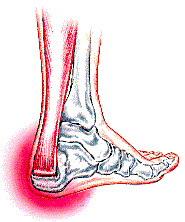
inflammation and degeneration of the achilles tendon. The achilles tendon is the
large tendon located in the back of the leg that inserts into the heel. The pain
caused by achilles tendonitis can develop gradually without a history of trauma. The
pain can be a shooting pain, burning pain, or even an extremely piercing pain.
Achilles tendonitis should not be left untreated due to the danger that the tendon can
become weak and ruptured.
Achilles Tendonitis is aggravated by activities that repeatedly stress the tendon, causing
inflammation. In some cases even prolonged periods of standing can cause symptoms.
It is a common problem often experienced by athletes, particularly distance
runners. Achilles Tendonitis is a difficult injury to treat in athletes due to their
high level of activity and reluctance to stop or slow down their training.
Individuals who suffer from achilles tendonitis often complain that their first steps out
of bed in the morning are extremely painful. Another common complaint is pain after
steps are taken after long periods of sitting. This pain often lessens with
activity.
CAUSE
There are several factors that can cause achilles tendonitis. The most common cause
is over-pronation. Over-pronation occurs in
the walking process, when the arch collapses upon weight bearing, adding stress on the
achilles tendon.
Other factors that lead to
achilles tendonitis are improper shoe selection, inadequate stretching prior to engaging
in athletics, a short achilles tendon, direct trauma (injury) to the tendon, and heel bone
deformity.
TREATMENT & PREVENTION
Athletes, particularly runners, should incorporate a thorough stretching program to
properly warm-up the muscles. They should decrease the distance of their walk or
run, apply ice after the activity and avoid any up hill climbs. Athletes should use
an orthotic device, heel cup, or heel cradle for extra support.
A heel cup or heel cradle
elevates the heel to reduce stress and pressure on the achilles tendon. The device
should be made with light-weight, shock absorbing materials. An orthotic device can
be used to control
over-pronation, support the
longitudinal arch, and reduce stress on the achilles tendon.
|