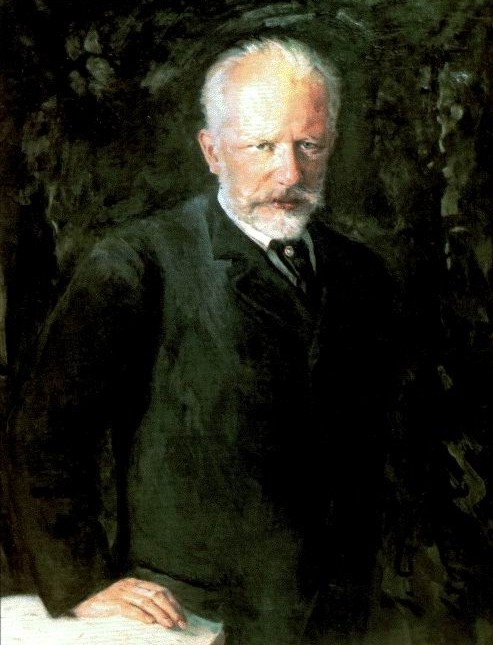
Romantic Period
1825 - 1900
 Overview
Romanticism cherishes freedom of expression, movement, passion, an endless
pursuit of the unattainable like fantasy and imagination and a search for
new subject matters. Because its goal can never be attained, romantic art
is haunted by a spirit of longing. Romantic art puts greater emphasis on the
qualities of remoteness and strangeness.

During this period, the arts of literature and painting began to influence music. The music acquired poetic or philosophical meanings and folklore, history, antiquity an exotic cultures were thought of as possible sources of inspiration.
MUSICAL STYLE
There were many different musical styles being developed during the nineteenth
century. Although it is difficult to describe the Romantic style, there are
still certain elements that stand out.
The dynamic range is wider, and there is a larger range of sound. There is also a greater variety of instruments, including improved or newly invented wind instruments. The melodies are longer, more dramatic and emotional. Tempos are more extreme, and tempo rubato (the tempo of a piece is allowed some flexibility for expressive purpose) is often used. Formal structures are expanded and harmonies are fuller, often more dissonant.
MUSICAL CONTEXT
There was an increased interest in Nature and the Supernatural during the
Romantic period, so Romantic artists saw nature in a less idealised way than
the artists of the Classical period had. As a result, the music that they
composed were gravitated towards the supernatural text and stories.
Music began to be used as a tool to tell stories, or to imply meaning beyond pure music. Composers found ways to make their musical ideas represent people, things, dramatic situations as well as emotional states and philosophical ideas.
Music was also used as a tool for highlighting national identity. During this time, the composers took an interest in the music of various ethnic groups and incorporated it into their own music.
Changing Status
A composer relied on the support of the public and the patronage of the individuals
instead of being dependent for income on the steady employment by nobility.
Music was also seen less as an occupation. In the previous periods, the church
and the courts were being used as a training ground for musicians, but in
the romantic period, specialised training institutions (conservatories) were
being used. Women also found more opportunities for musical expression, especially
as performers, but alas, social and cultural barriers still limited their
participation as composers.
HARMONY
Romantic harmony uses diminished seventh frequently. Its lack of a tonal center
is exploited by composers and is used extensively for modulation.
Another chord used frequently is the German sixth (i.e. the augmented sixth chord on the flattened submedient). It can be used for modulation too.
Instruments used in the Orchestra during the Romantic Period
|
STRINGS
|
|
|
WOODWIND
|
|
|
BRASS
|
|
|
PERCUSSION
|
|
|
KEYBOARD
|
|