












Malta and It's History
| For such a small island
there is an immense amount of history surrounding it. Here is a
brief look at what has happened through the ages from ancient times
to the present day.
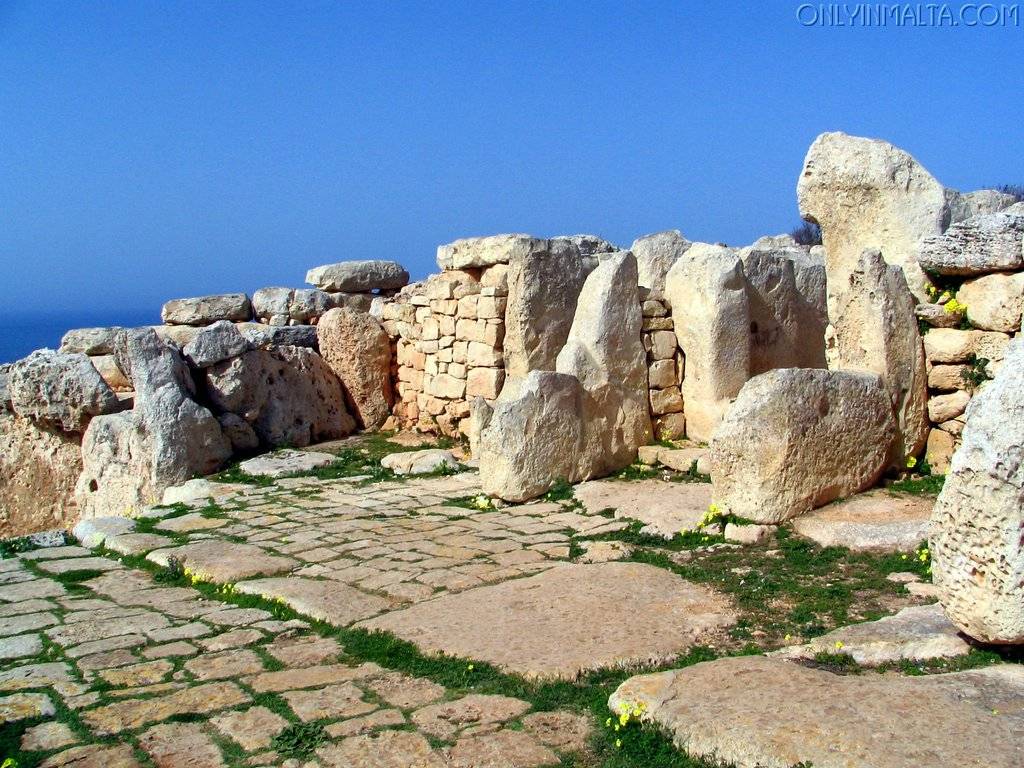
It is thought that the first settlers made their way to Malta from Sicily bringing with them basic tools for survival. There is also evidence of pygmy hippos and deer from Africa that suggest that settlers may have come from far and wide. It was during the copper age that the temples were thought to have been constructed, with recent research suggesting that they are 1000 years older than the Pyramids of Giza. Over time Malta became home to new groups of people, including the Phoenicians. Its central location and harbours were of great use for their trade. This is where the name Malta derived, its original name Malet, meaning shelter. The Phoenicians were the founders of the race as it is today due to their integration with the native inhabitants of the island. During the Punic Wars, Malta, fell into the hands of the Carthaginians and Romans. During this time, the Romans, made Malta well known in the Roman World through its production of textiles. In 60 A.D., St Paul was shipwrecked on the island and consequently converted the local people to Christianity. When the Roman Empire was failing, the Arabs took over Malta, for over 200 years. The Normans followed with a takeover of Malta in 1090. Malta was faced with the feudal times until the Knights of St John, who were thrown out of Rhodes, and were granted Malta as their new home. They were to call themselves The Knights of Malta. It wasn't long before the Turks attempted an invasion on Malta that was to be known as The Great Siege. During this time great, fortified cities were built to protect the islands. In 1798 Napoleon took over the island with ease and the Knights fled. This caused the Maltese to revolt against the French using British assistance. The British took over Malta, and transformed the island into a Naval base. This meant that Malta became the target of much abuse during World War 2, bombs destroyed many historical buildings, the island was left in pieces. It was on the 15th of April 1942 that Malta was awarded the George Cross for civilian bravery. Britain's highest award was presented to the entire population of the Maltese Islands. It wasn't until 1964, after 100 years of British rule, that the islands were granted independence and eventually became a Republic in 1974. A president was elected for the country, which had become a Parliamentary Democracy. Since becoming an Independent Country, Malta has thrived, it's main source of income coming from tourism. Malta became a member of the EU on the 1st of May 2004. |