HUMAN ANATOMY
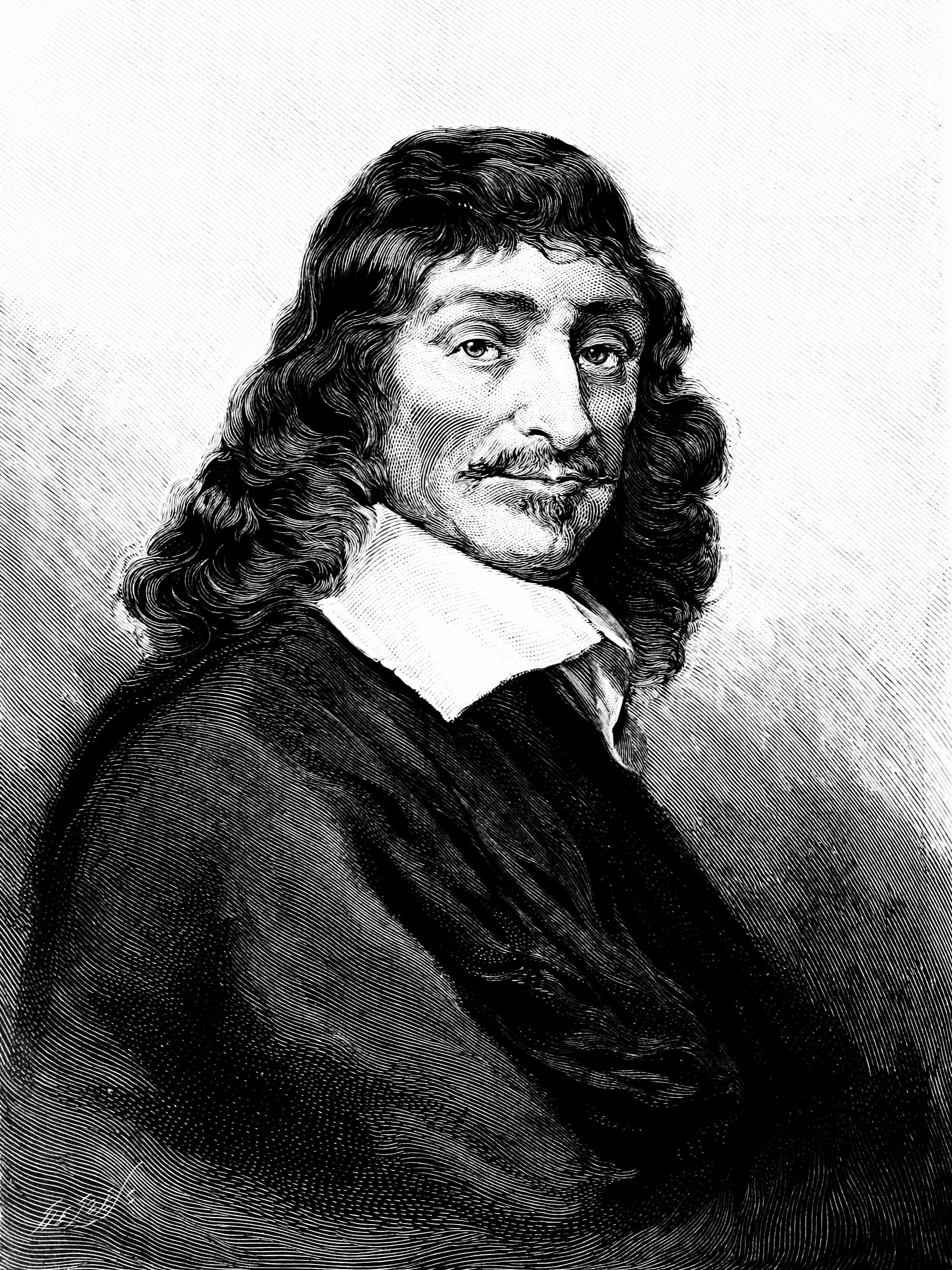
Rene Descartes believed the soul caused conscious thought. The body caused automatic functions like the beating of the heart and digestion he felt. The body was necessary for voluntary movement as well as the will. However, he believed the power to move the body was wrongly imagined to come from the soul. A sick or injured body does not do what we want or moves in ways we do not want. He believed the death of the body stopped it from being fit to bring about movement. This did not necessarily happen because the soul left the body.
He saw the body as a machine. He believed the heat of the heart somehow caused all movement of the body. Blood vessels he realized were pipes, he saw that veins carried digested food to the heart. (This was brought further by William Harvey. Harvey developed the idea of the circulation of the blood.) Descartes felt that an energetic part of blood went to the brain and there gave the brain a special type of air imbued with vital force that enabled the brain to experience, think and imagine. This special air then went through the nerves to the muscles enabling them to move.
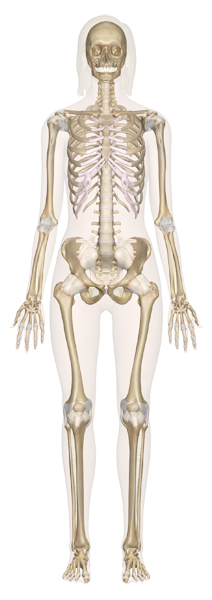
The skeletal system includes all of the bones and joints in the body. Each bone is a complex living organ that is made up of many cells, protein fibers, and minerals. The skeleton acts as a scaffold by providing support and protection for the soft tissues that make up the rest of the body. The skeletal system also provides attachment points for muscles to allow movements at the joints. New blood cells are produced by the red bone marrow inside of our bones. Bones act as the body's warehouse for calcium, iron, and energy in the form of fat. Finally, the skeleton grows throughout childhood and provides a framework for the rest of the body to grow along with it.
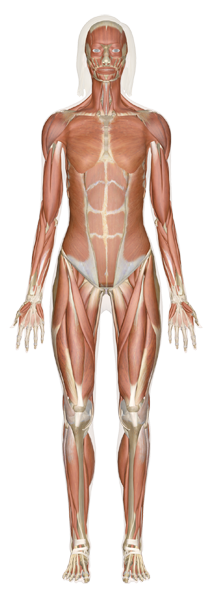
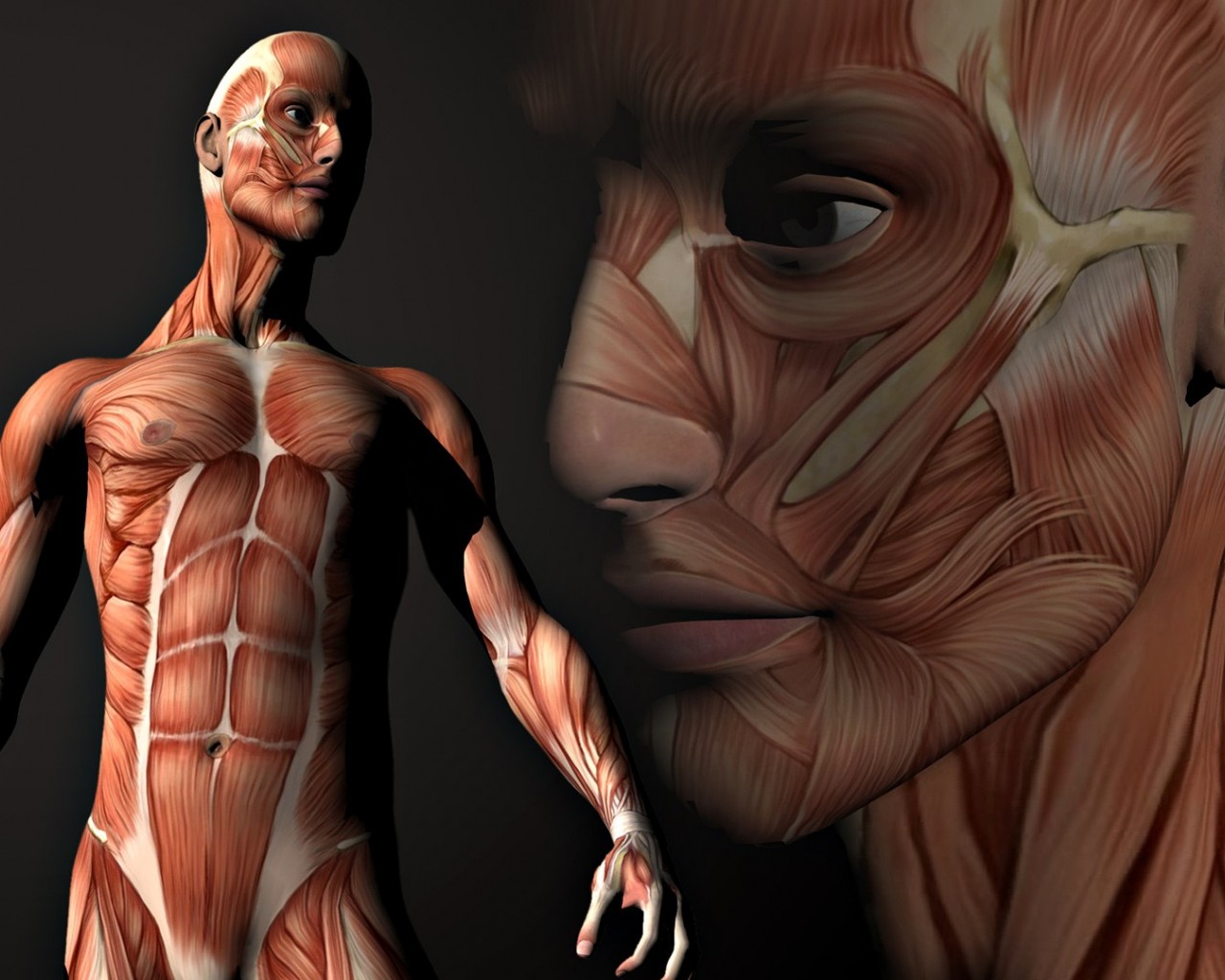
The muscular system is responsible for the movement of the human body. Attached to the bones of the skeletal system are about 700 named muscles that make up roughly half of a person's body weight. Each of these muscles is a discrete organ constructed of skeletal muscle tissue, blood vessels, tendons, and nerves. Muscle tissue is also found inside of the heart, digestive organs, and blood vessels. In these organs, muscles serve to move substances throughout the body.
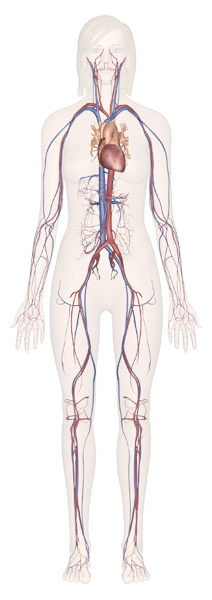
The cardiovascular system consists of the heart, blood vessels, and the approximately 5 liters of blood that the blood vessels transport. Responsible for transporting oxygen, nutrients, hormones, and cellular waste products throughout the body, the cardiovascular system is powered by the body's hardest-working organ - the heart, which is only about the size of a closed fist. Even at rest, the average heart easily pumps over 5 liters of blood throughout the body every minute.
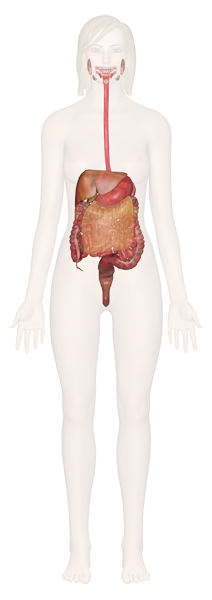
The digestive system is a group of organs working together to convert food into energy and basic nutrients to feed the entire body. Food passes through a long tube inside the body known as the alimentary canal or the gastrointestinal tract (GI tract). The alimentary canal is made up of the oral cavity, pharynx, esophagus, stomach, small intestines, and large intestines. In addition to the alimentary canal, there are several important accessory organs that help your body to digest food but do not have food pass through them. Accessory organs of the digestive system include the teeth, tongue, salivary glands, liver, gallbladder, and pancreas.
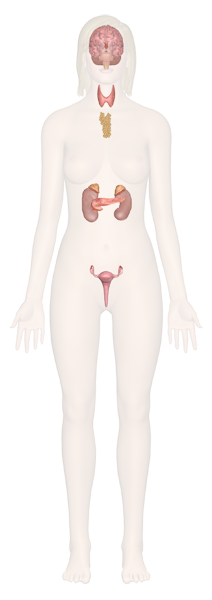
The endocrine system includes all of the glands of the body and the hormones produced by those glands. The glands are controlled directly by stimulation from the nervous system as well as by chemical receptors in the blood and hormones produced by other glands. By regulating the functions of organs in the body, these glands help to maintain the body's homeostasis. Cellular metabolism, reproduction, sexual development, sugar and mineral homeostasis, heart rate, and digestion are among the many processes regulated by the actions of hormones.
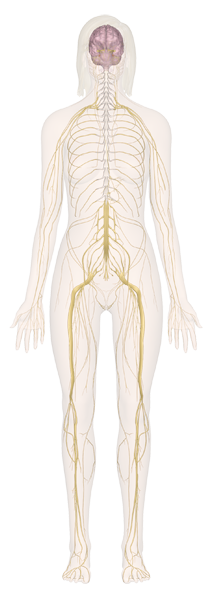
The nervous system consists of the brain, spinal cord, sensory organs, and all of the nerves that connect these organs with the rest of the body. Together, these organs are responsible for the control of the body and communication among its parts. The brain and spinal cord form the control center known as the central nervous system (CNS), where information is evaluated and decisions made. The sensory nerves and sense organs of the peripheral nervous system (PNS) monitor conditions inside and outside of the body and send this information to the CNS. Efferent nerves in the PNS carry signals from the control center to the muscles, glands, and organs to regulate their functions.
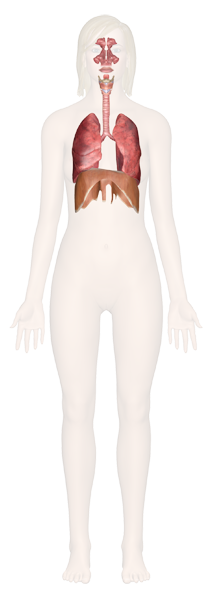
The cells of the human body require a constant stream of oxygen to stay alive. The respiratory system provides oxygen to the body's cells while removing carbon dioxide, a waste product that can be lethal if allowed to accumulate. There are 3 major parts of the respiratory system: the airway, the lungs, and the muscles of respiration. The airway, which includes the nose, mouth, pharynx, larynx, trachea, bronchi, and bronchioles, carries air between the lungs and the body's exterior. The lungs act as the functional units of the respiratory system by passing oxygen into the body and carbon dioxide out of the body. Finally, the muscles of respiration, including the diaphragm and intercostal muscles, work together to act as a pump, pushing air into and out of the lungs during breathing.
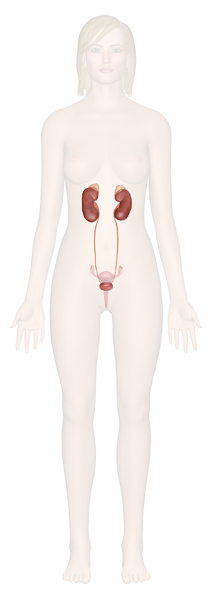
The urinary system consists of the kidneys, ureters, urinary bladder, and urethra. The kidneys filter the blood to remove wastes and produce urine. The ureters, urinary bladder, and urethra together form the urinary tract, which acts as a plumbing system to drain urine from the kidneys, store it, and then release it during urination. Besides filtering and eliminating wastes from the body, the urinary system also maintains the homeostasis of water, ions, pH, blood pressure, calcium and red blood cells.
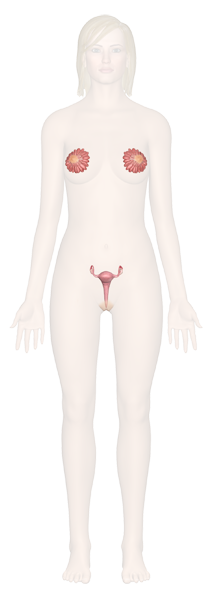
The female reproductive system includes the ovaries, fallopian tubes, uterus, vagina, vulva, mammary glands and breasts. These organs are involved in the production and transportation of gametes and the production of sex hormones. The female reproductive system also facilitates the fertilization of ova by sperm and supports the development of offspring during pregnancy and infancy.
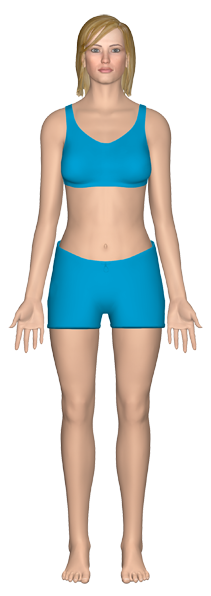
The integumentary system is an organ system consisting of the skin, hair, nails, and exocrine glands. The skin is only a few millimeters thick yet is by far the largest organ in the body. The average person's skin weighs 10 pounds and has a surface area of almost 20 square feet. Skin forms the body's outer covering and forms a barrier to protect the body from chemicals, disease, UV light, and physical damage. Hair and nails extend from the skin to reinforce the skin and protect it from environmental damage. The exocrine glands of the integumentary system produce sweat, oil, and wax to cool, protect, and moisturize the skin's surface.